
Track Session Prep: How to Get Your Car Ready for Silverstone
Essential guide to preparing your car and yourself for a track day at Silverstone. From tyre pressures to safety rules, our top tips ensure a safe, fun experience.
The Ultimate Pre-Track Checklist for Your Silverstone Adventure
Getting ready for a track session at Silverstone, perhaps at an event like Trax, involves more than just fitting performance upgrades. While high-performance brakes, coilovers, and sticky tyres are important foundational mods, this guide focuses on the crucial preparation needed on the day itself. Whether you're a seasoned pro or a first-timer, these top tips will help you maximise your enjoyment while prioritising safety for everyone involved.
Proper preparation is the difference between a thrilling, smooth-running day and one fraught with preventable issues. The following checklist covers everything from vehicle checks to personal readiness, ensuring you can focus on the driving experience.
Your Step-by-Step Track Day Preparation Guide
1. Read the Rules and Listen Carefully
It might sound straightforward, but thoroughly reading the event rules and attentively listening to the safety briefing is the single most important step. The organisers' guidelines are designed to ensure every participant has a great time, gets the most from their track time, and returns home safely. The briefing will cover critical safety procedures and track etiquette.

2. Adjust Your Tyre Pressures
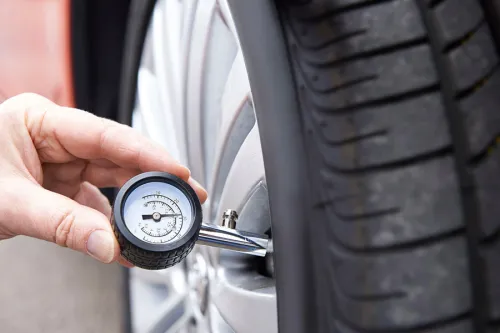
On-track driving generates significant heat, causing tyre pressures to rise. To counteract this and maintain optimal grip and handling, it's advisable to reduce your tyre pressures by a few PSI before heading out. This simple adjustment can greatly enhance your car's performance. Remember to reinflate your tyres to the recommended road pressures before driving home.
3. Perform a Comprehensive Fluid Check
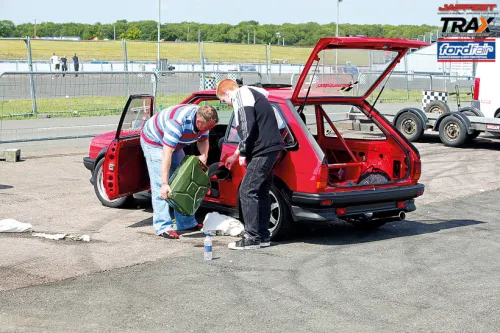
A track session places immense stress on your vehicle. Before you go out, check and top up all essential fluids, including engine oil, coolant, and brake fluid. Don't forget to check your fuel gauge; high-speed driving consumes fuel much faster than normal road use. Running out of fuel on track is not only embarrassing but also a significant safety hazard.
4. Dress for Safety and Comfort
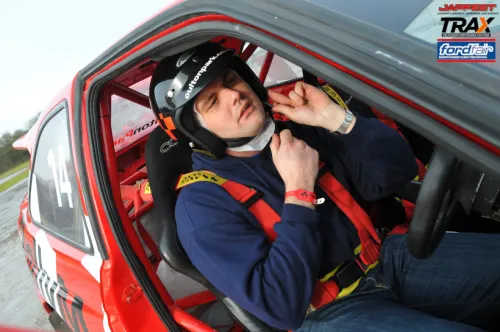
Personal safety apparel is non-negotiable. You will need a crash helmet, which you can bring yourself or hire at the circuit. Some tracks mandate clothing that covers all arms and legs, so pack long sleeves and full-length trousers. Appropriate, secure footwear is essential—open-toed shoes or flip-flops are not permitted while driving on track.
5. Fit a Tow Strap or Tow Eye
In the event of an incident, marshals need to move your vehicle quickly and safely. Having a clearly accessible tow strap or tow eye fitted makes their job significantly easier, minimising track downtime and disruption for other participants.
6. Clear Your Car of All Loose Items
Any loose object inside your car becomes a dangerous projectile under high cornering forces. This includes everything from tools and spare parts in the boot to drink cans, phones, or charging cables that could roll under a pedal. A thorough clear-out before your session is a critical safety measure.
7. Correctly Display Your Track Passes
Those pieces of paper you receive with your track session booking are your access pass. Use tape to securely attach them to your windows as instructed so marshals can easily identify authorised vehicles. Without these displayed correctly, you will not be allowed on the circuit.
8. Understand the Flag Signals
Before heading onto the track, familiarise yourself with the meaning of the different flag signals. This knowledge is crucial for your safety and the safety of others. Key flags to know include: Red Flag (prepare to stop, follow officials' instructions), Yellow Flag (danger ahead, slow down, no overtaking), Yellow/Red Stripes (slippery surface), Chequered Flag (session over), and Black Flag (return to pits immediately).
9. Remember: It's a Session, Not a Race
Track sessions at events like Trax are designed for enjoyment and experience, not for wheel-to-wheel competition. Maintain a calm and controlled demeanour. Letting adrenaline lead to aggressive or risky driving endangers you and others on the track.
10. Implement a Proper Cool-Down Procedure
After your session, your car's components will be extremely hot. Use your cool-down lap to allow the brakes, engine, and tyres to gradually return to normal temperatures. Once parked, let the engine idle for a few minutes to stabilise. Avoid using the handbrake on hot brakes; using wheel chocks is a much better alternative. Finally, remember to reinflate your tyres for the journey home.
Familiarise Yourself with the Silverstone National Circuit
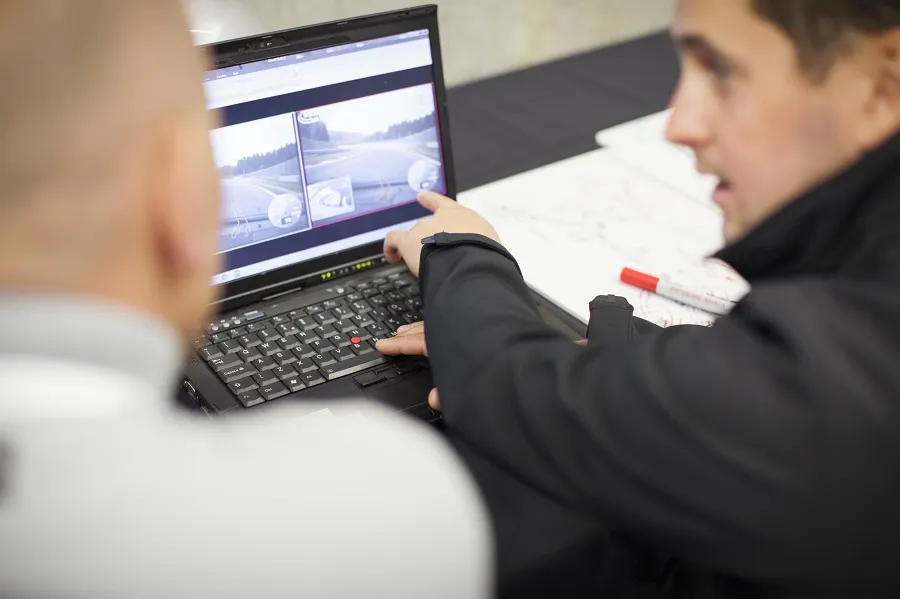
Once your car and personal preparation are complete, take some time to study the track layout. Reviewing a guide to the Silverstone National Circuit before your session can provide valuable insight into the corners and the best racing line, helping you feel more confident and prepared when you pull onto the track.
Consider Track Day Insurance for Peace of Mind
While incidents are rare, investing in specialist track day insurance is a wise consideration for many drivers. Standard car insurance policies typically do not cover damage sustained on a race track. Specialist insurers offer policies that cover damage to your car, whether caused by yourself or another driver. Some providers may even allow you to add track day cover to your existing policy. This optional cover provides significant peace of mind, allowing you to fully enjoy your session.
Final Thoughts: Ready for an Unforgettable Experience
By meticulously following this preparation guide, you and your car will be perfectly set up for an exhilarating, safe, and hugely enjoyable track session at Silverstone. Thorough preparation is the key to a successful day, enabling you to concentrate on the sheer thrill of driving your car on a world-famous circuit. Happy driving!