Suffolk Car Dealership Collapses With £50,000 Debts
Car Station Suffolk Ltd enters liquidation owing creditors £50,673 after less than two years of trading. What does this mean for the used car market?
Independent Suffolk Car Dealer Enters Liquidation With £50,000 Debts
A small independent car dealership in Suffolk has collapsed into liquidation after accumulating significant debts exceeding £50,000. Car Station Suffolk Ltd, which had been trading for less than two years according to Companies House records, has appointed liquidators after failing to meet its financial obligations.
Mounting Financial Pressures
The company, incorporated in June 2024, owes a total of £50,673.30 to 17 creditors. A statement of affairs revealed that the business holds zero assets, meaning these creditors – primarily described as trade creditors – are unlikely to recover their funds. This situation highlights the financial challenges facing smaller independent dealers in the current market.
Liquidation Process Underway
Richard Cacho of RCM Advisory Limited was named as voluntary liquidator of the firm on February 6. Shortly after this appointment, the dealership faced a winding-up petition, with work now underway to formally close the business. The rapid progression from incorporation to liquidation within such a short timeframe underscores the volatility in the used car sector.
Business Operations and Leadership Changes
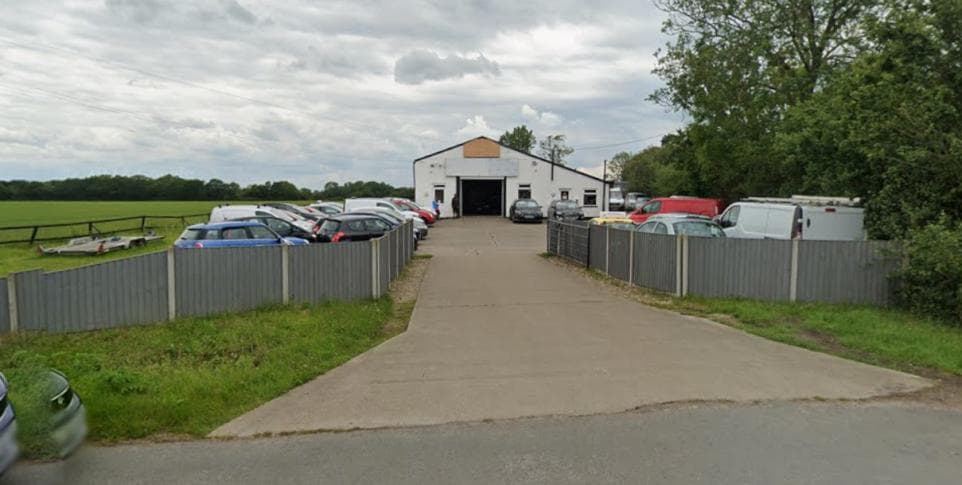
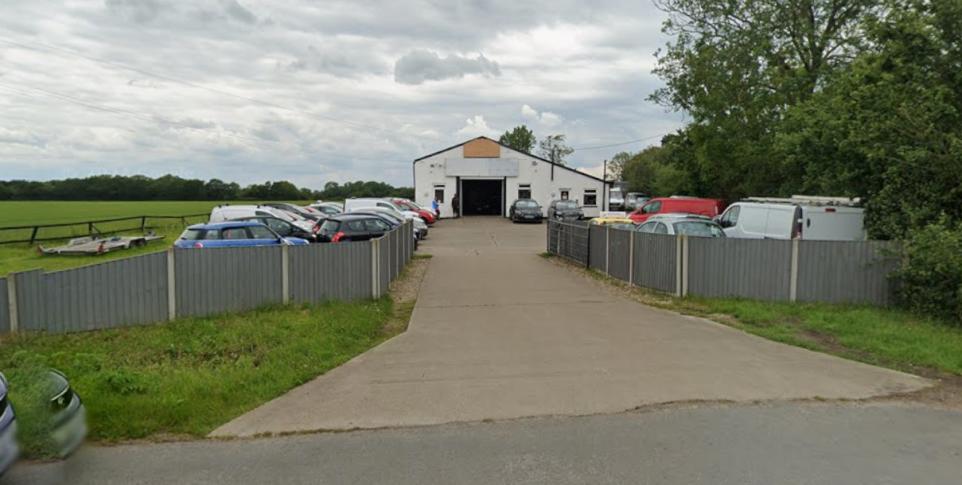
Car Station Suffolk operated from a site in Halesworth and conducted sales through its website, specialising in second-hand vehicles. The business was originally founded by car dealer Jacob Ladd, who resigned as a person with significant control last summer. Eddie Lee Ellis served as the sole director by the time the company entered liquidation, having been appointed in March of the previous year.
What Does This Mean for Car Buyers?
The collapse of Car Station Suffolk serves as a reminder for consumers to exercise due diligence when purchasing from independent dealers. While many small dealers provide excellent service, situations like this emphasise the importance of checking a company's trading history and financial stability before making significant purchases.
For the wider industry, this case illustrates the ongoing pressures facing smaller dealerships amid fluctuating used car values, rising operational costs, and changing consumer behaviours. As the market continues to evolve, both dealers and consumers must remain vigilant about financial stability within the sector.