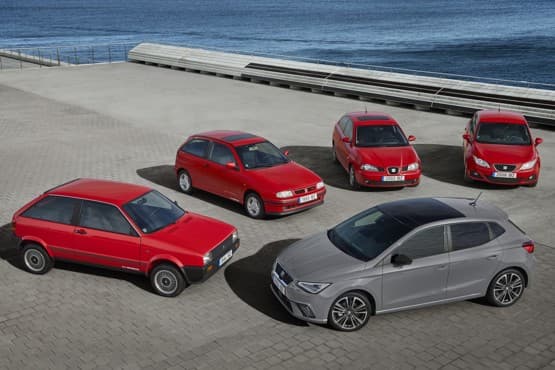
Seat faces possible 2029 phase‑out as VW restructures
Volkswagen's cost and model overhaul may see the Seat brand discontinued by 2029, with Cupra taking its place, a shift that could reshape dealer line‑ups.
Volkswagen has approved a comprehensive cost and model overhaul that could see the Seat brand discontinued by 2029, with the performance‑oriented Cupra line taking its place. Dealers must prepare for potential changes to their brand portfolios and sales strategies in the UK. The move reflects VW's drive to streamline its portfolio and cut costs ahead of upcoming EV mandates.
Key takeaways
- Volkswagen approved a group‑wide cost and model overhaul.
- The restructuring may see Seat discontinued by 2029.
- Cupra is slated to replace Seat in the brand portfolio.
- Dealers will need to adjust inventory and franchise agreements.
Volkswagen's restructuring plan
The Volkswagen Group has signed off on a group‑wide cost reduction and model rationalisation programme. The plan seeks to streamline development, cut overheads and align product cycles across its marques.
Executives say the overhaul aims to improve profitability and prepare the brand portfolio for future market shifts, including electrification and changing consumer demand.
The cost programme also includes joint platform development, which may reduce the number of distinct models across the Group, further influencing brand decisions.
Potential phase‑out of Seat
Industry reports indicate that Seat could be removed from the Group's line‑up as early as 2029. The decision would be part of the broader model rationalisation outlined in the restructuring.
A Seat phase‑out would affect dealers that currently stock the brand, requiring them to transition inventory and possibly renegotiate franchise agreements before the projected deadline.
Analysts note that a Seat exit could free resources for electric vehicle investment, aligning with Volkswagen’s broader sustainability targets for the next decade.
Cupra positioned as successor
The reports suggest Cupra will inherit Seat's market position, offering a sportier, premium‑focused range. Cupra already operates as a performance sub‑brand, and the shift would elevate it to a core marque.
Dealers may need to adjust showroom space, marketing assets and service training to accommodate Cupra models that could replace current Seat listings from 2029 onward.
If Cupra expands its lineup, dealers may benefit from higher margin vehicles and a stronger brand narrative aimed at younger, performance‑oriented buyers.
What this means for dealers
The potential removal of Seat from the UK market will force dealers to revisit their brand mix and forecast revenue streams. Early planning can minimise disruption to sales cycles and residual stock.
Dealers should engage with Volkswagen representatives to confirm timelines, explore Cupra rollout support, and consider training technicians on new powertrains. Adjusting marketing messages now can preserve customer loyalty during the transition.
Frequently asked questions
When is Seat expected to be discontinued?
According to the reports cited, Seat could be phased out by the end of 2029 as part of Volkswagen’s restructuring plan. No specific month has been disclosed, but dealers should treat the date as a firm horizon for planning purposes.
Which brand will replace Seat in the Volkswagen Group?
The same reports indicate that Cupra, currently positioned as a performance sub‑brand, is earmarked to take over Seat’s market slot. Cupra would become the primary offering in the segment currently occupied by Seat.
How should dealers respond to the restructuring?
Dealers should start dialogue with Volkswagen to confirm the phase‑out schedule, evaluate the impact on their current inventory, and arrange training for Cupra’s prospective model range. Updating marketing and service plans now can smooth the transition and protect profitability.