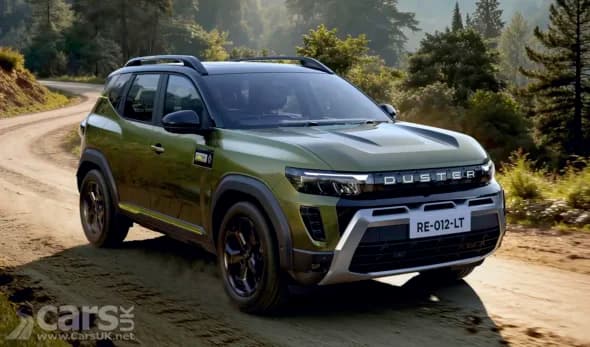
Renault Duster versus Dacia Duster: What's the difference for UK buyers?
Renault launches the Renault Duster in India, a more premium version of the budget-friendly Dacia Duster sold in the UK. Explore the key differences and what it means.
Renault Duster versus Dacia Duster: What UK Buyers Need to Know
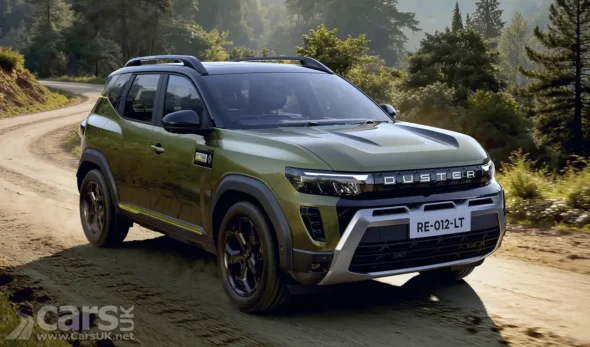
The automotive world is full of curious badge-engineered models, and the relationship between the Dacia Duster and the Renault Duster is a prime example. While UK motorists are familiar with the Dacia Duster as a phenomenally popular, no-frills budget SUV, Renault has launched a new model in India bearing the Renault badge. This creates an intriguing scenario where the same fundamental vehicle is marketed under two different brands in different parts of the world.
A Tale of Two Badges: Brand Strategy Explained
This dual-branding strategy is a calculated move by the Renault Group. In the UK and across Europe, the Dacia brand has been brilliantly positioned as a value-oriented marque, offering essential, robust vehicles at highly competitive prices. The Dacia Duster is arguably the brand's most impressive and successful model, consistently ranking as a top-selling SUV for its sheer practicality and affordability. The formula is simple: offer capable transport without unnecessary extras, keeping the price point exceptionally low.
In other markets, however, such as India, the Dacia brand has little to no recognition. Renault, on the other hand, is an established global nameplate. Launching the vehicle as the Renault Duster in these regions allows the company to leverage Renault's existing reputation for quality and design. The Indian-market Renault Duster is described as a more upmarket model compared to its European cousin, often coming with additional safety features and a higher level of standard equipment to appeal to local consumer expectations.
What Does This Mean for the UK Market?
For UK buyers, the situation remains straightforward. The vehicle available in showrooms is, and will continue to be, the Dacia Duster. This model has evolved considerably since its initial launch, becoming more refined and featuring more technology, though it retains its core ethos of being a bargain buy. It's a question often asked by savvy car shoppers: why pay more for a badge when you can get the same fundamental engineering for less?
The existence of the Renault-badged version overseas highlights the flexibility of global car platforms. It demonstrates how a single vehicle can be tailored and branded differently to suit the unique demands and perceptions of various markets. For the Renault Group, this strategy maximises the return on their investment by allowing one platform to serve two distinct brand identities.
Comparing the Models
While the UK's Dacia Duster is celebrated for its value, the Renault Duster sold elsewhere is positioned as a more premium offering. This typically translates to a higher specification list, potentially including advanced driver assistance systems, more luxurious interior materials, and different styling details that align with the Renault brand's image. It’s a fascinating case study in how branding and market positioning can create two distinct personalities for what is essentially the same car.
Ultimately, the question of which is 'better' depends entirely on the market. For UK drivers seeking maximum value for money, the Dacia Duster remains one of the most compelling choices in the new car market. Its success proves that a straightforward, capable, and affordable SUV is a formula that continues to resonate strongly with British buyers.