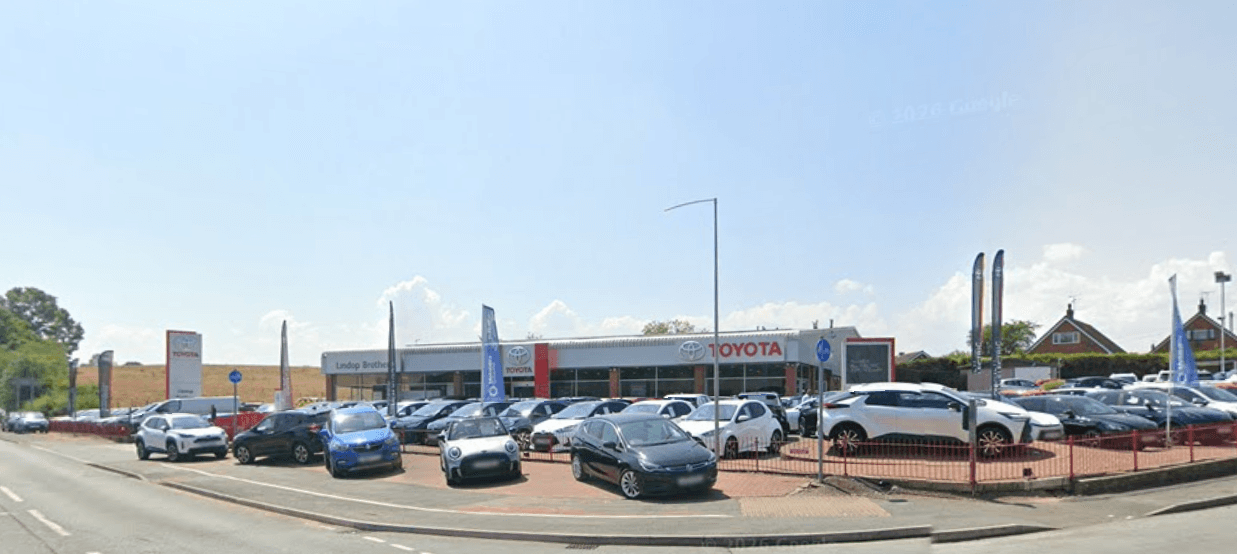
Lindop profits surge after refurbishment despite used‑car sales drop
Lindop Brothers' pre‑tax profit rose over 500% to £546k in 2025 despite an 11% turnover fall, driven by a major refurbishment and higher service revenue.
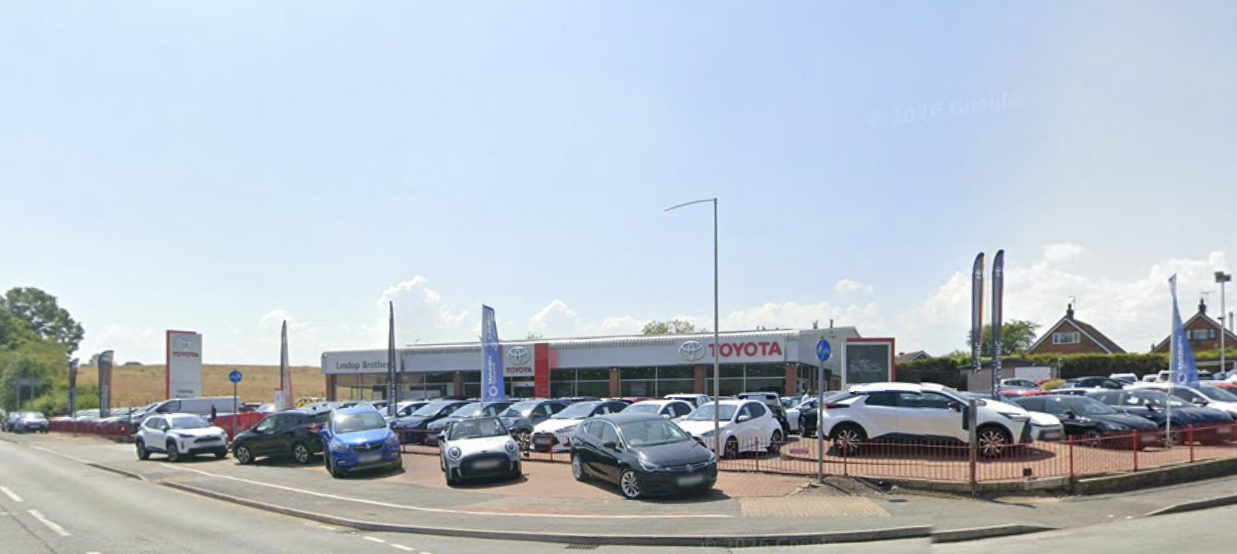
Lindop Brothers, the Toyota dealer group operating in Queensferry and Wrexham, reported a pre‑tax profit of £546,358 for the year to 31 December 2025 – a rise of more than 500% on the previous year – even though turnover fell 11.2% and used‑car sales declined.
Key takeaways
- Pre‑tax profit climbed to £546,358 in 2025.
- Turnover dropped 11.2% to £50.8 million.
- Service revenue rose 17.7% to £3.18 million.
- Gross margin improved to 11.33% from 8.96%.
- Planned Wrexham refurbishment slated for 2026.
Financial performance
Operating profit increased from £277,587 to £742,685, while after‑tax earnings swung from a £14,366 loss in 2024 to a £393,872 profit. The sharp profit uplift is attributed to stronger gross profit and the completion of a major refurbishment at the Queensferry site during 2024.
Despite the profit surge, total turnover fell from £57.2 million to £50.8 million, an 11.2% decline driven mainly by lower sales of new and used vehicles.
Revenue composition
Service income grew 17.7%, rising from £2.70 million to £3.18 million, partially offsetting the £6.88 million reduction in goods sales, which fell from £54.44 million to £47.56 million.
This shift highlights the growing importance of after‑sales work in maintaining profitability when vehicle sales soften.
Cost and margin changes
Gross profit rose 12.3% to £5.76 million and gross margin improved from 8.96% to 11.33%. Administrative expenses increased modestly by 3.4% to £5.01 million, while vehicle‑stocking finance slipped slightly from £4.14 million to £4.04 million.
Overall cost control and a higher margin on serviced work helped the group deliver a stronger bottom line despite lower revenue.
Investment and staffing outlook
Lindop plans another major refurbishment at its Wrexham premises in 2026, aiming to maintain manufacturer standards and enhance customer experience. Directors say existing borrowing levels and trading prospects allow funding without undue strain.
Employee numbers grew from 89 to 94 during the year, reflecting the operational expansion required to support the service‑focused strategy.
What this means for dealers
The Lindop results demonstrate that investing in facilities and emphasizing service revenue can offset pressures on new and used car sales. Dealers with comparable refurbishment projects may see similar profitability improvements if they can capture higher service margins.
Maintaining modest borrowing while expanding staff and after‑sales capacity appears sustainable, suggesting that a balanced approach to capital expenditure and operational growth can protect earnings during market downturns.
Frequently asked questions
How did Lindop achieve a 500% profit increase despite lower turnover?
The profit surge stemmed from a higher gross margin, driven by a 17.7% rise in service revenue and the completion of a major refurbishment that boosted after‑sales activity. Cost increases were limited, allowing the improved margin to translate into a much larger pre‑tax profit.
Which part of Lindop’s business contributed most to the profit rise?
Service operations were the key contributor, with revenue increasing to £3.18 million and the gross margin improving to 11.33%. This after‑sales growth offset the decline in vehicle sales and lifted overall profitability.
What are Lindop’s investment plans for 2026 and how might they affect dealers?
Lindop intends to refurbish its Wrexham dealership in 2026 to maintain manufacturer standards and improve the customer environment. The investment, funded by existing cash flow and borrowing capacity, signals confidence and may set a benchmark for other dealers seeking to sustain earnings in a soft market.