KIC Garage fined by HMRC over minimum wage error
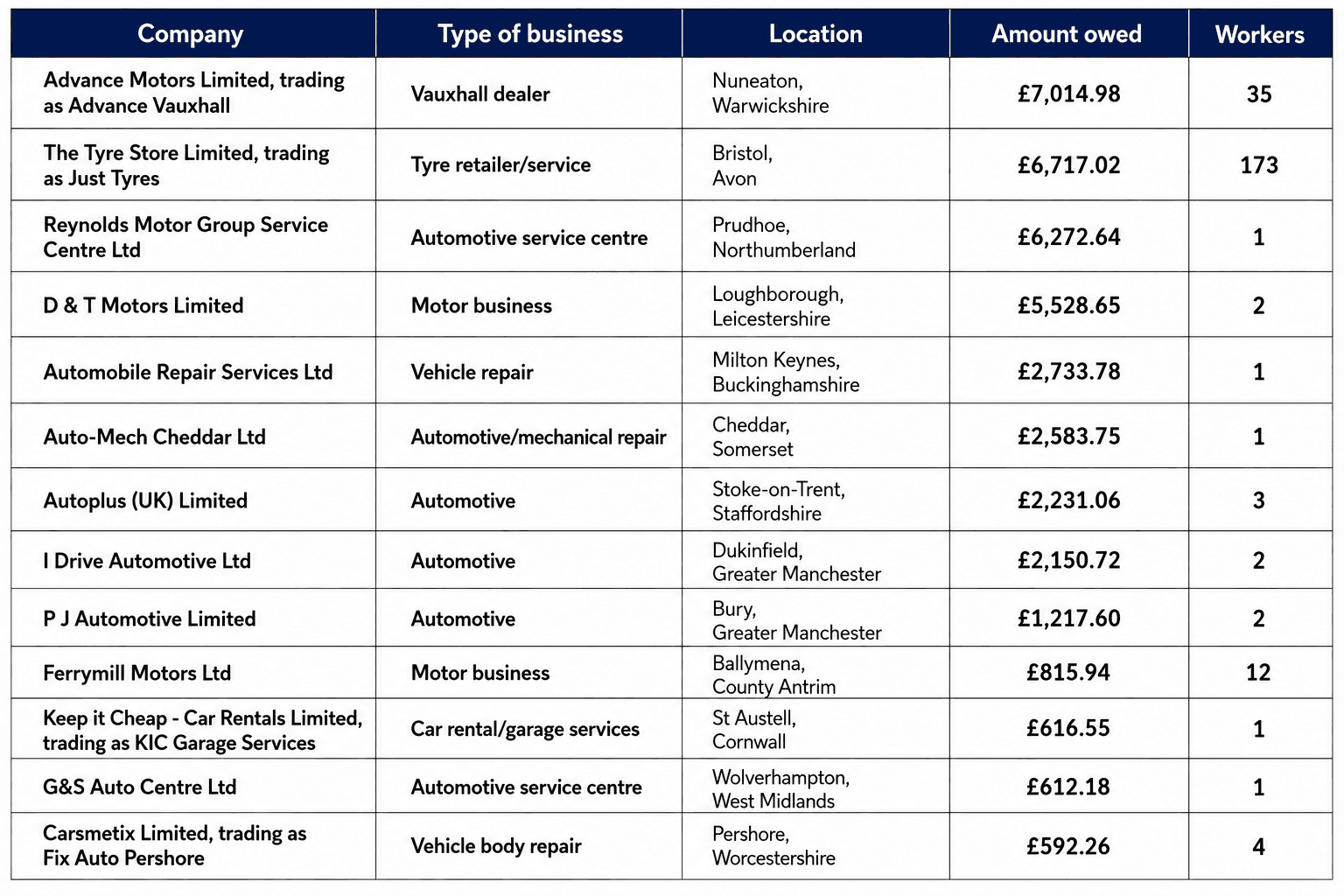
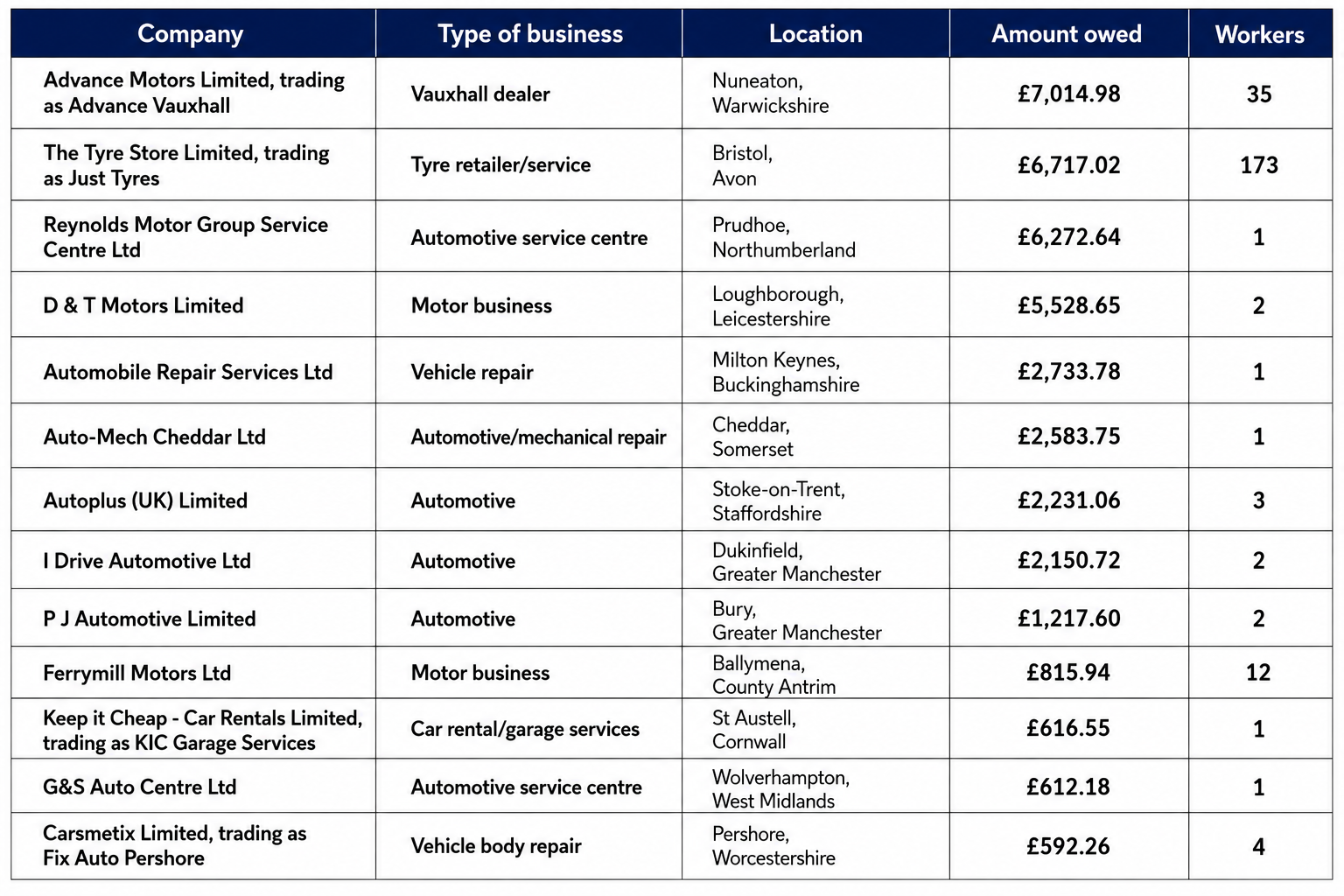
KIC Garage Services was fined £620 by HMRC after an accountant’s mistake temporarily underpaid an apprentice, highlighting the risk of penalties for dealers…
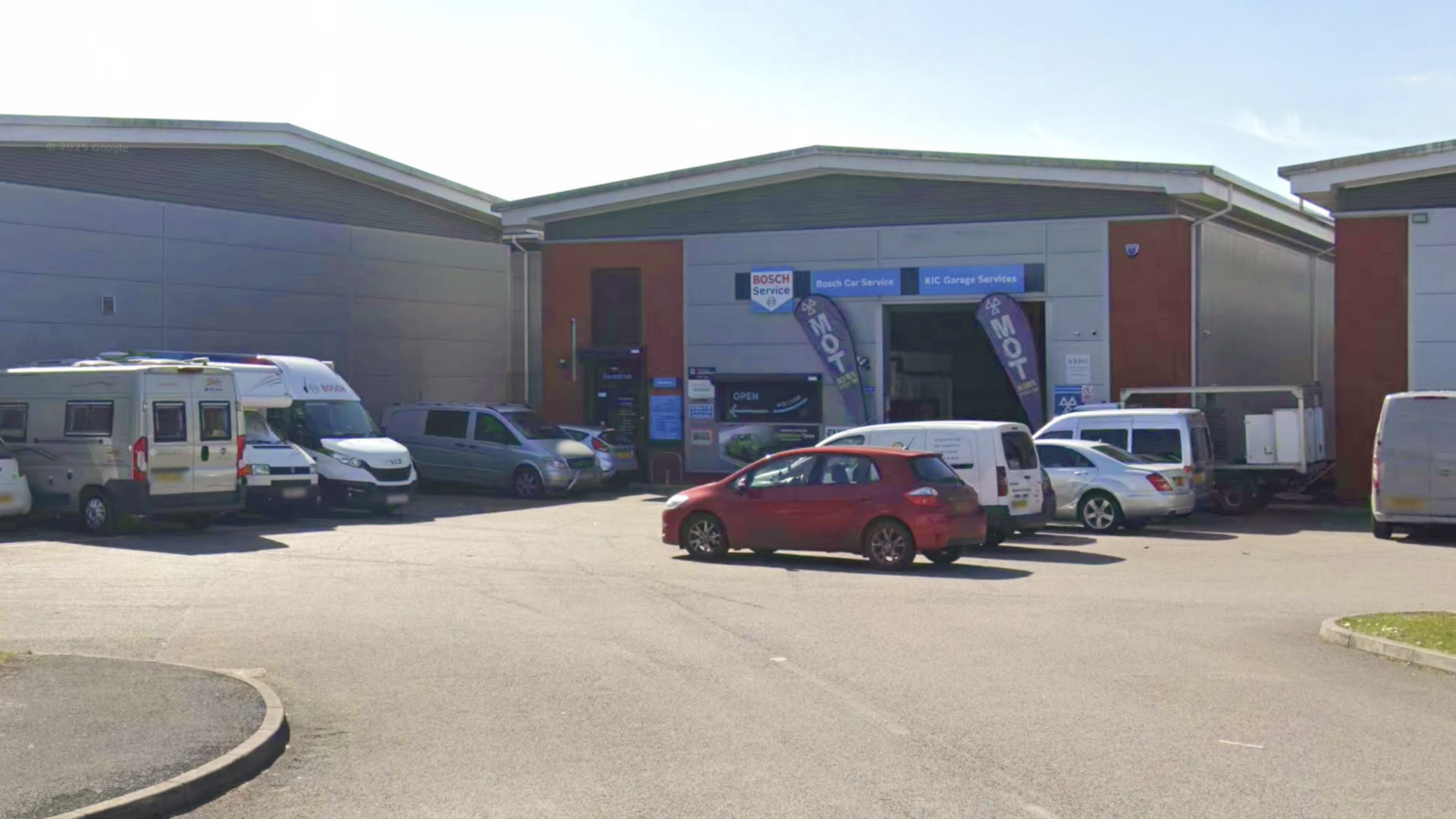
KIC Garage Services, a Wirral independent garage, was fined £620 by HMRC in September 2026 after an accountant’s error briefly paid a 17‑year‑old apprentice below the National Minimum Wage when he turned 18. The case underscores the importance of accurate payroll handling for motor dealers.
Key takeaways
- KIC Garage was fined £620 for a temporary minimum‑wage underpayment.
- The error stemmed from an external accountant’s oversight.
- HMRC named and shamed the business despite rapid repayment.
- Dealers risk penalties even when underpayments are corrected within hours.
- The firm changed accountants and criticised HMRC’s enforcement approach.
Background to the breach
The apprentice, originally 17, was paid 10 % above the minimum wage. When he turned 18 in March 2026 the accountant failed to adjust his rate, resulting in £620 owed for that month. KIC corrected the pay and transferred the shortfall the same day.
The mistake was only flagged after HMRC sent a compliance letter asking whether the garage was meeting National Minimum Wage rules. The garage contacted the accountant, who admitted the oversight within a few hours.
HMRC investigation and penalty
Two weeks after the repayment, HMRC announced a site visit, questioning staff on time‑off, contracts and other workplace matters. The investigation led to a fine of £1,140, which was reduced to £620 when paid promptly.
Garage’s response
The senior executive, who requested anonymity, said KIC accepted the error but argued that the enforcement action ignored the immediate repayment and the fact that the fault lay with the accountant. The firm has since replaced the accountant.
The executive criticised HMRC for focusing on the fine rather than the corrective action, describing the process as “all an income for HMRC”.
Government stance
Business Secretary Jonathan Reynolds defended the naming‑and‑shaming policy, noting that over £4 million has been reclaimed for more than 27,000 workers and that penalties totalling £7 million have been issued to firms including B&Q.
He reiterated that treating staff fairly is both the right and smart business practice and that the government will continue to enforce the rules.
What this means for dealers
Dealers must ensure payroll systems and external accountants are regularly audited, particularly when staff ages change or when apprentices move to adult rates. Prompt detection and repayment of any shortfall may reduce the final penalty but does not eliminate the risk of an HMRC fine.
The case also highlights the reputational impact of being named publicly. Maintaining accurate records and responding quickly to HMRC enquiries can help mitigate both financial and brand damage.
Frequently asked questions
What triggered the HMRC fine for KIC Garage?
The fine resulted from an accountant’s failure to increase an apprentice’s wage after he turned 18, which briefly put his pay below the National Minimum Wage. HMRC identified the underpayment during a routine compliance check and imposed a penalty despite the garage repaying the shortfall the same day.
Can a dealer avoid similar penalties?
Dealers can reduce risk by regularly reviewing payroll calculations, especially when staff ages or contract terms change. Using a trusted accountant, conducting internal audits and correcting any underpayments immediately are essential steps, though HMRC may still levy a fine for the breach.
How does HMRC’s naming and shaming policy affect dealer reputation?
Publicisation of breaches can damage a garage’s standing with customers and staff. Being listed as a non‑compliant employer may deter potential hires and affect consumer confidence, making proactive compliance and swift remediation critical for preserving reputation.