Japanese Car Sub-Cultures: The Ultimate Guide to Drifting, VIP Style, and More
Discover Japan's vibrant car sub-cultures, from legendary drifting and VIP style to Kanjozoku street racing and unique builds like Itasha and Dekotora trucks.
Japan's car modification scene stands as one of the most diverse and influential in the global automotive world. While many enthusiasts are familiar with prominent styles like VIP and wide-arch builds, the full spectrum of Japanese car sub-cultures extends far beyond these well-known genres, each with its own rich history and distinct characteristics.
Drifting: From Underground Roots to Global Phenomenon
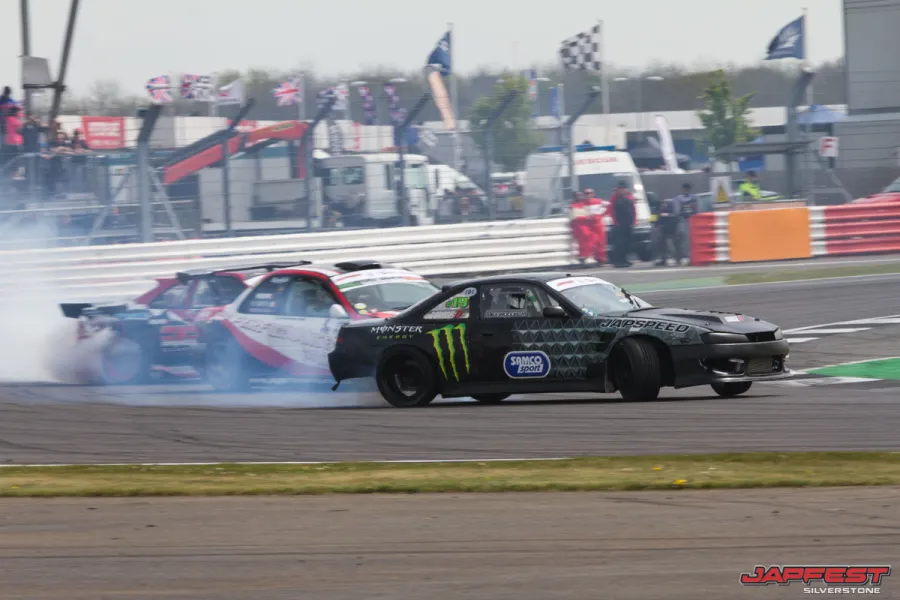
What started as an underground practice on Japan's mountain roads has evolved into a globally recognised motorsport with professional competitions like Formula Drift and D1 GP. The art of drifting involves intentionally oversteering to cause the rear wheels to lose traction while maintaining control through a corner. Though not the fastest way around a track, it's a spectacular display of skill that requires significant practice to master. While the professional scene showcases highly engineered machines, the grassroots level remains strong, with many enthusiasts starting with basic rear-wheel drive cars. The legendary Ebisu circuit serves as a hallowed ground for drifters to practise their craft in a controlled environment.
Touge: Mountain Pass Racing
Named after the twisting mountain roads where it typically takes place, touge racing involves head-to-head battles on narrow, challenging routes. Made famous by anime like Initial D and videos from Best MOTORing, touge follows a specific format where two cars compete over multiple runs, swapping lead and chase positions. The chasing car wins if it can stay close to or overtake the leader. As this style of racing predominantly occurs on public roads, it remains largely illegal and underground compared to organised drift events, preserving its rebellious spirit.
VIP Style: Luxury with an Edge
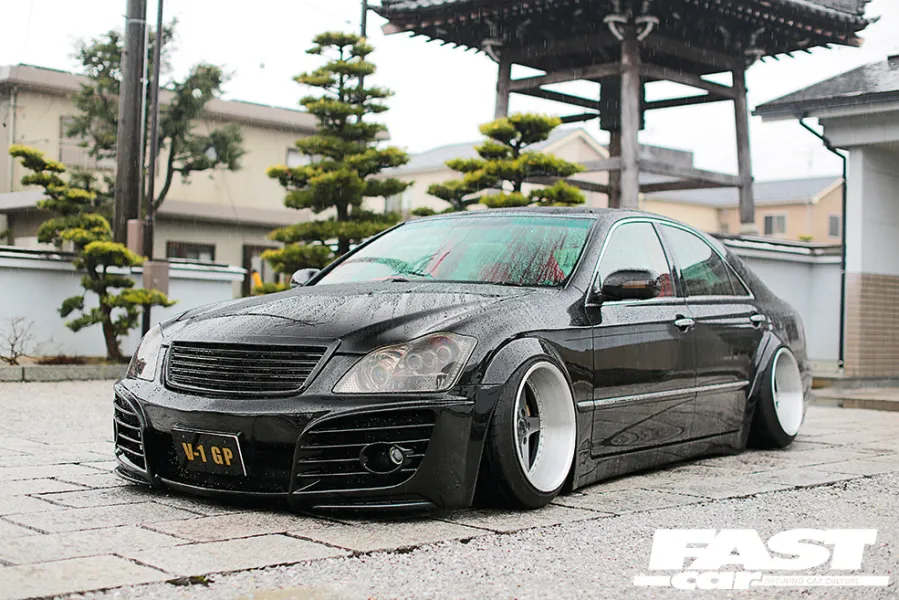
Inspired by the vehicles used by Japan's Yakuza, the VIP sub-culture centres around luxury sedans modified to exude an aura of imposing elegance. Originally, these gangsters would be chauffeured in dark, subtle-looking domestic cars with incredibly luxurious interiors. Modern VIP builds have amplified the aesthetic, featuring extremely low suspension, aggressive wheels, and elaborate interior modifications that can include everything from custom upholstery to extravagant additions like chandeliers. This style has gained international popularity, with enthusiasts worldwide creating their own interpretations.
Kanjozoku: Osaka's Highway Racers
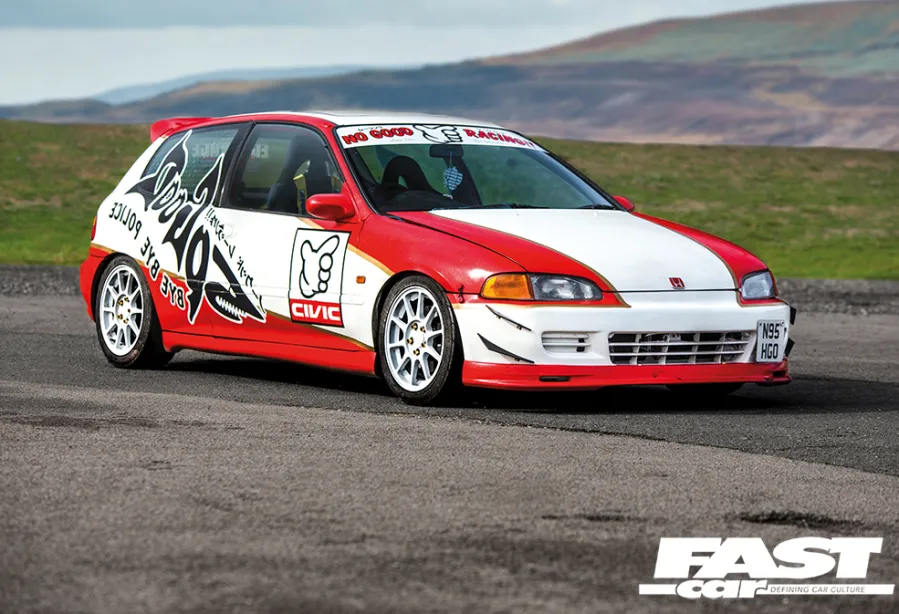
For decades, the Kanjozoku have raced tuned Honda Civics on Osaka's elevated highway loops during the dead of night. This highly illegal sub-culture involves pack racing where participants often wear masks to conceal their identities. Typically focusing on EF-, EG-, and EK-generation Civics, these builds prioritise raw performance and handling for tight, twisty routes. The Kanjozoku represent a more intense, rule-less version of street racing compared to the legendary Midnight Club, with plenty of footage available online showing their encounters with police.
Itasha: Anime on Wheels
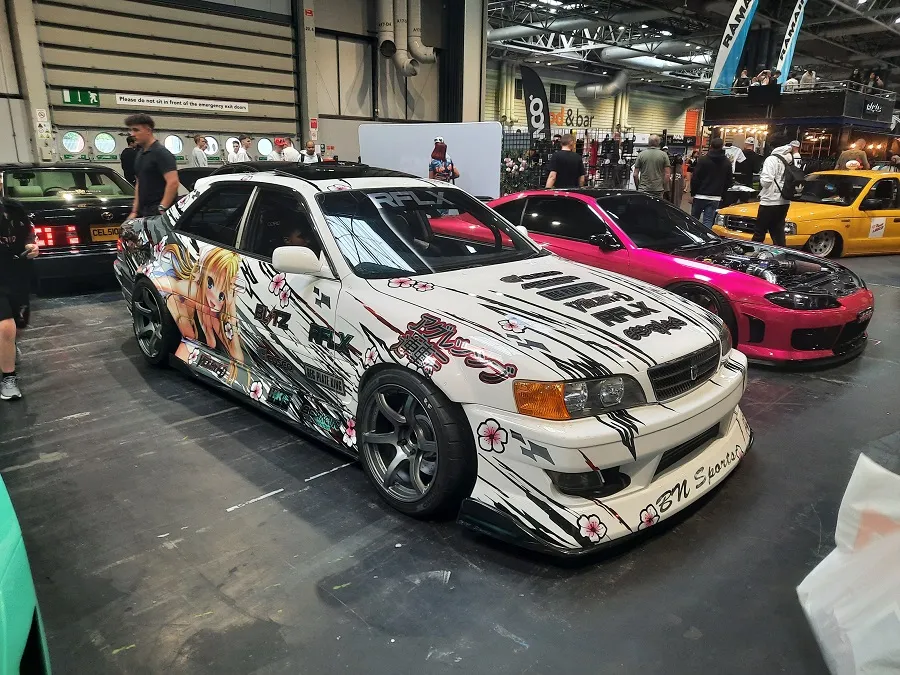
Perhaps the most divisive Japanese car sub-culture, Itasha involves adorning vehicles with elaborate graphics featuring anime characters. The term itself translates to 'painful' or 'cringeworthy', reflecting the mixed reception these builds receive. Ranging from tastefully executed artistic designs to more explicit content, Itasha allows owners to express their passion for both cars and anime culture. While not for everyone, it represents a unique form of personal expression within the Japanese car scene.
Time Attack: The Pursuit of the Perfect Lap
Though not exclusive to Japan, time attack enjoys immense popularity there, with circuits like Tsukuba becoming legendary venues for these events. The objective is simple: achieve the fastest possible lap time on a closed circuit. This pursuit leads to extreme aerodynamic modifications and highly tuned engines, with professional builds often being non-road legal. A tiered class system ensures fair competition and encourages participation at all levels, from highly modified track weapons to more accessible grassroots builds.
Kyusha: The Classic Japanese Car Scene
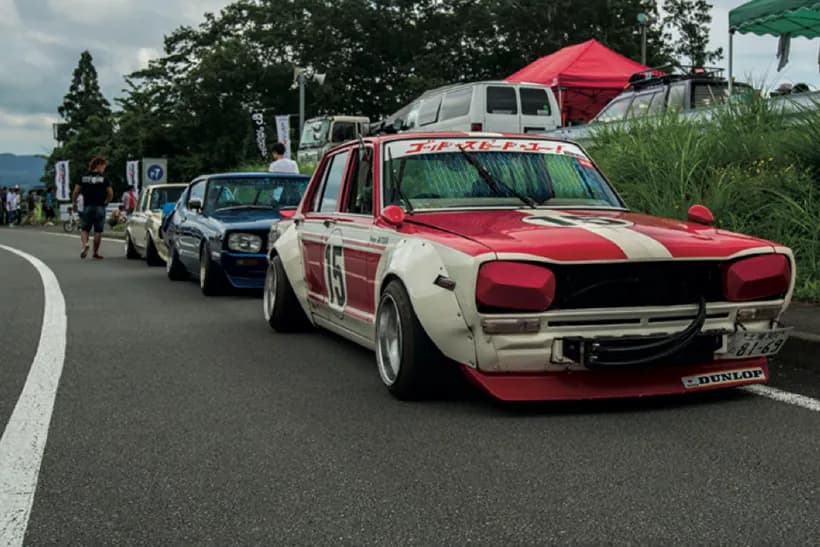
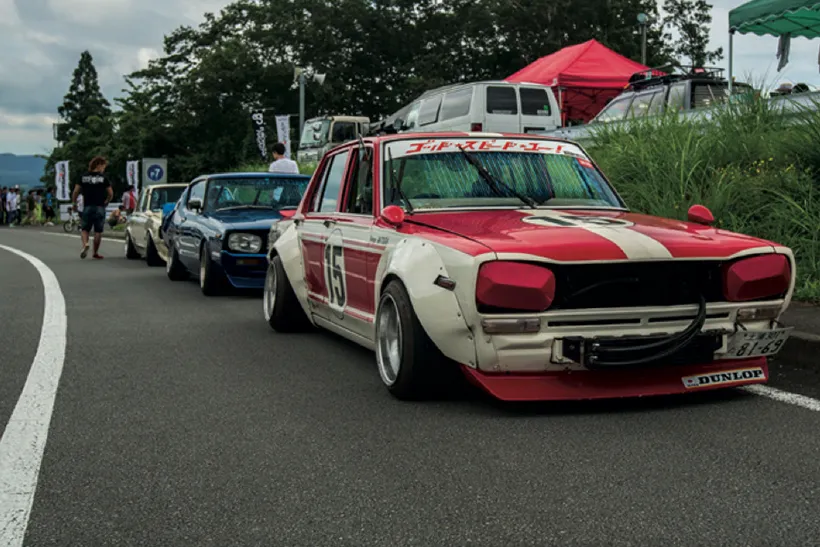
Kyusha simply means 'old car' in Japanese, but the term has come to represent the entire culture surrounding classic Japanese vehicles. Unlike purist restoration scenes elsewhere, Japanese enthusiasts embrace modifying and evolving these classics with modern components. From Fairlady Zs and Skylines to RX-3s and Corollas, owners combine restoration with performance upgrades, engine swaps, and custom work to create their ideal interpretation of these iconic models.
Kaido Racers: Exaggerated Vintage Style
Kaido Racers represent a caricature-like interpretation of early Japanese race cars, featuring exaggerated styling elements for both aesthetic and humorous effect. Characterised by massive front lips ('deppa'), dramatic spoilers, wild paint jobs, and extremely loud 'takeyari' exhausts that resemble bamboo spears, these builds are often DIY projects completed among friends. Popular bases include Toyota Crestas, Soarers, Mark IIs, and various Nissan models like the Gloria, Cedric, and Skyline.
Shakotan: Refined Lowered Style
Shakotan, meaning 'lowered body', can be considered a more polished version of the Kaido Racer style. While maintaining the extremely low ride height and vintage Japanese wheels with stretched tyres, Shakotan builds focus on cleaner execution. Custom flares are often integrated into the bodywork for a seamless 'hippari' flush look, accompanied by thoughtful engine bay and interior detailing. Though typically applied to cars from the 1970s and 1980s, the style can be adapted to more modern vehicles.
Vanning: Family Haulers with Flair
When Japanese enthusiasts start families and need practical vehicles, they often turn to vans – but with a twist. The vanning sub-culture sees people carriers like the Toyota Alphard, Vellfire, and Nissan Elgrand extensively modified with custom body kits, specialised wheels, quilted leather interiors, massive entertainment screens, and countless LED lights. This allows enthusiasts to maintain their passion for car modification while fulfilling practical family needs.
Dekotora: Decorative Trucks
Inspired by the 1970s Torakku Yaro film series, Dekotora (decoration trucks) represent the ultimate expression of vehicular adornment. These lorries feature custom-crafted bodywork from stainless steel or aluminium, covered in multicoloured lights and airbrushed with traditional Japanese imagery. Interiors resemble extravagant hostess bars with lavish upholstery, golden tassels, and even chandeliers. While primarily aesthetic, these builds often feature unsilenced exhausts to enhance their road presence.
Kei Trucks: Tiny Workhorses
Originally designed as affordable, practical vehicles for post-war Japan, Kei-class trucks and cars have become unlikely canvases for modification. These tiny vehicles, perfect for navigating narrow roads and rice paddies, are customised both aesthetically and for performance. Some enthusiasts even modify them for drifting by welding the differentials. The Kei scene demonstrates the Japanese philosophy that anything with wheels can be personalised and enjoyed.
These diverse sub-cultures illustrate Japan's unique approach to car modification, where self-expression and community thrive across every vehicle type and style. From illegal street racing to elaborate show cars, the Japanese automotive scene continues to inspire enthusiasts worldwide with its creativity and passion.