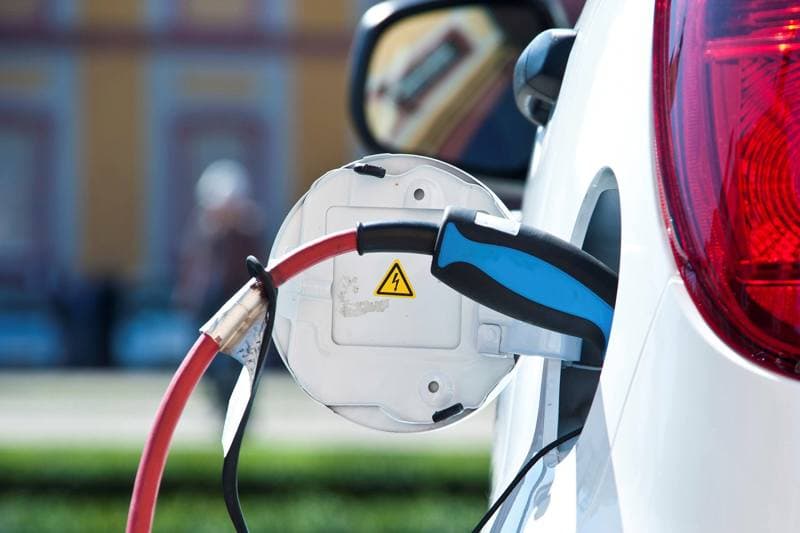
Is Wakefield the UK's Best Location for EV Owners? E.ON Study Reveals Top Spots
E.ON UK names Wakefield as Britain's most convenient location for electric vehicle owners. Discover why West Yorkshire leads in EV infrastructure and running costs.
Wakefield Crowned UK's Most Convenient EV Location
According to a comprehensive study by energy giant E.ON UK, Wakefield in West Yorkshire has been identified as the most convenient place in Britain to run an electric vehicle. This West Yorkshire city outperformed other UK locations in terms of EV infrastructure accessibility and overall ownership convenience, making it an ideal base for electric motorists looking to minimise charging concerns and maximise driving pleasure.
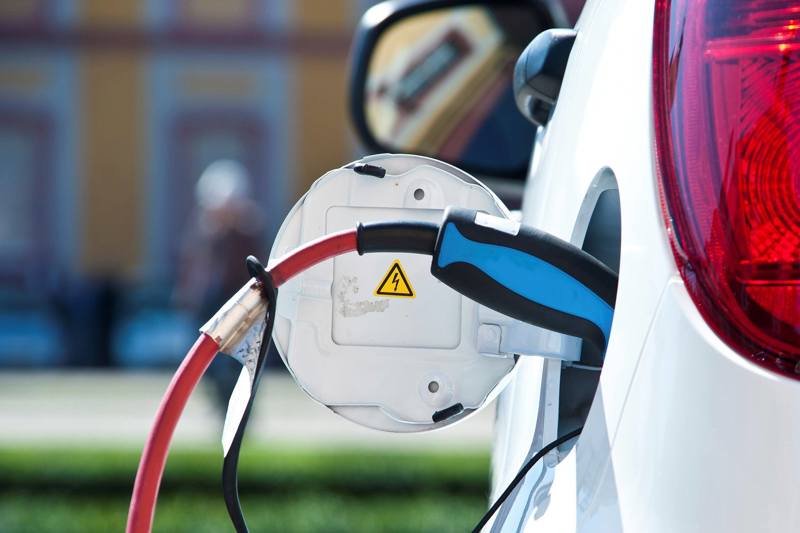
What Makes Wakefield Stand Out for EV Drivers?
While the specific criteria used in E.ON's assessment weren't detailed in the original announcement, studies of this nature typically evaluate factors such as charging point density, availability of rapid chargers, electricity costs, and local incentives. Wakefield's achievement suggests strong infrastructure development and supportive local policies that make EV ownership particularly practical for residents and visitors alike.
The Growing Importance of Location in EV Ownership
For potential electric vehicle buyers considering the switch from petrol or diesel, location has become a crucial factor in the decision-making process. The convenience of running an EV heavily depends on local charging infrastructure, electricity pricing, and council initiatives. E.ON's recognition of Wakefield highlights how regional differences can significantly impact the overall EV experience, from daily commuting to longer journeys.
What This Means for UK EV Adoption
Studies like E.ON's help identify best practices that other local authorities might emulate to support the transition to electric vehicles. As the UK moves toward its 2035 ban on new petrol and diesel car sales, understanding which locations provide the most seamless EV experience becomes increasingly valuable for both policymakers and consumers making purchasing decisions.