Is the ZEV Mandate Threatening UK Car Production? Unite Raises the Alarm
Unite warns rising ZEV targets could jeopardise UK vehicle output – why industry calls for an EV sales framework review now.
Unite’s warning over the zero‑emission vehicle mandate
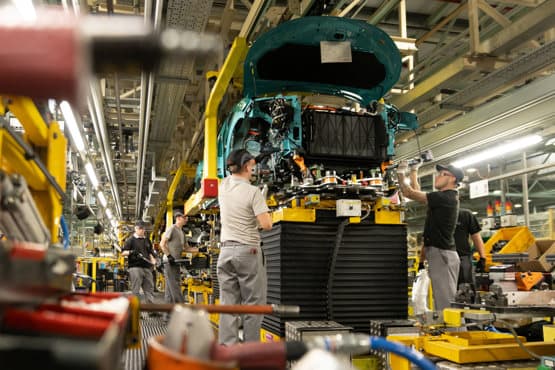
Trade union Unite, which represents a large portion of the UK automotive workforce, has issued a strong warning that the escalating targets set by the government’s zero‑emission vehicle (ZEV) mandate may jeopardise domestic car production. The union’s message adds weight to a growing chorus from manufacturers and industry bodies calling for a comprehensive review of the current electric‑vehicle (EV) sales framework.
What is the ZEV mandate and why does it matter?
The ZEV mandate is a policy tool that requires a set proportion of new cars sold to be zero‑emission models – typically battery‑electric or fuel‑cell vehicles. Over the coming years the government intends to raise this proportion year on year, aiming to phase out the sale of new internal‑combustion‑engine cars by a target date in the 2030s. The ambition behind the mandate is to cut carbon emissions and meet the UK’s net‑zero commitments.
Unite’s concerns for UK manufacturing
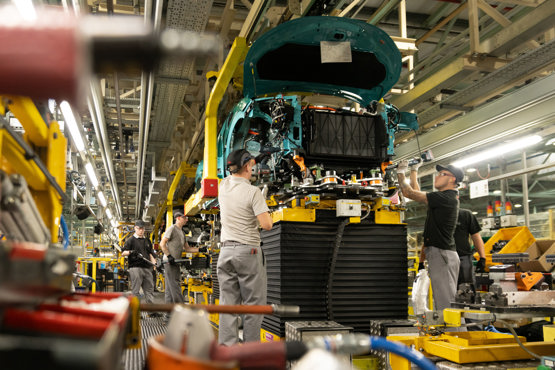
According to Unite, the speed at which the mandate is being tightened could outpace the ability of UK carmakers to re‑tool factories, secure supply‑chain components and retain skilled staff. If manufacturers are forced to meet higher ZEV sales quotas before the necessary infrastructure is in place, the union warns that production volumes could fall, leading to job losses and a contraction of the UK’s automotive sector.
Industry calls for a review of the EV sales framework
Alongside Unite’s statements, several industry groups have urged the government to reassess the EV sales framework. Their main argument is that a balanced approach is needed – one that accelerates the transition to electric mobility without undermining the economic stability of the UK’s long‑standing car‑manufacturing base. Stakeholders are seeking clearer guidance on timelines, financial incentives, and support for the supply chain, particularly for battery production and charging infrastructure.
Potential implications for consumers and the market
If production were to decline, the market could see reduced model availability, longer waiting times for new vehicles and potential price pressure on both electric and conventional cars. Consumers might also encounter fewer choices as manufacturers prioritise high‑volume electric models to meet government targets.
What comes next?
The dialogue between the government, trade unions and industry bodies is expected to continue over the next months. Both Unite and the broader automotive sector are looking for a framework that delivers the environmental benefits of zero‑emission vehicles while safeguarding the UK’s manufacturing capability and jobs.
Key takeaway
Unite’s warning highlights a critical tension: achieving rapid decarbonisation through the ZEV mandate must be balanced against the practical realities of car production in the United Kingdom. The outcome of the upcoming policy review will shape the future of the UK automotive industry and the availability of electric cars for British drivers.