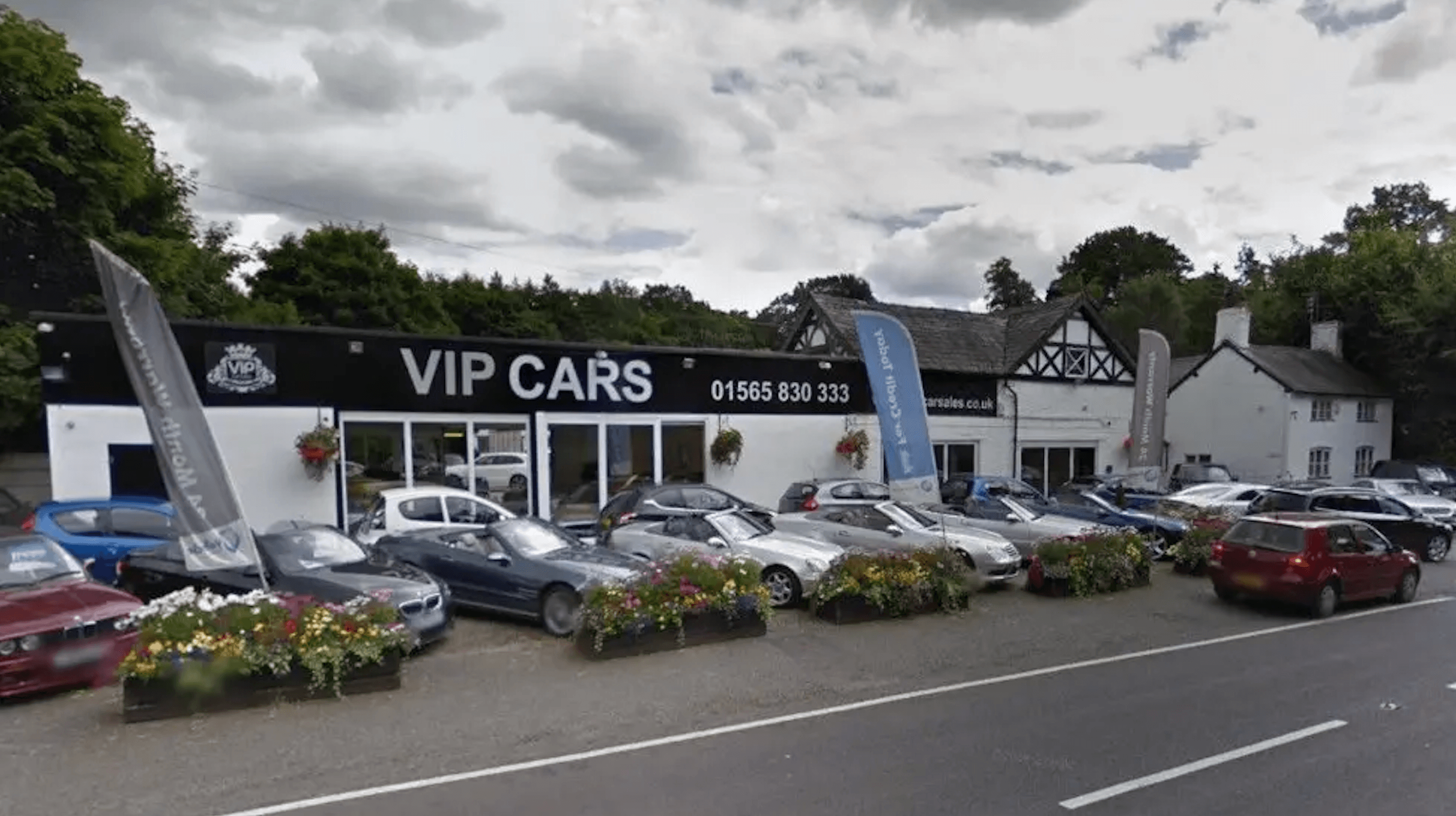
Is the VIP Car Sales fraud case tied to gangster extortion?
Did gangsters extort a £1m used‑car fraud case? Find out the latest court details and sentencing updates.
A £1 million fraud case at a used‑car dealership in the north of England has taken a bizarre turn after allegations emerged that the owners were being extorted by criminals.
Background to the VIP Car Sales fraud
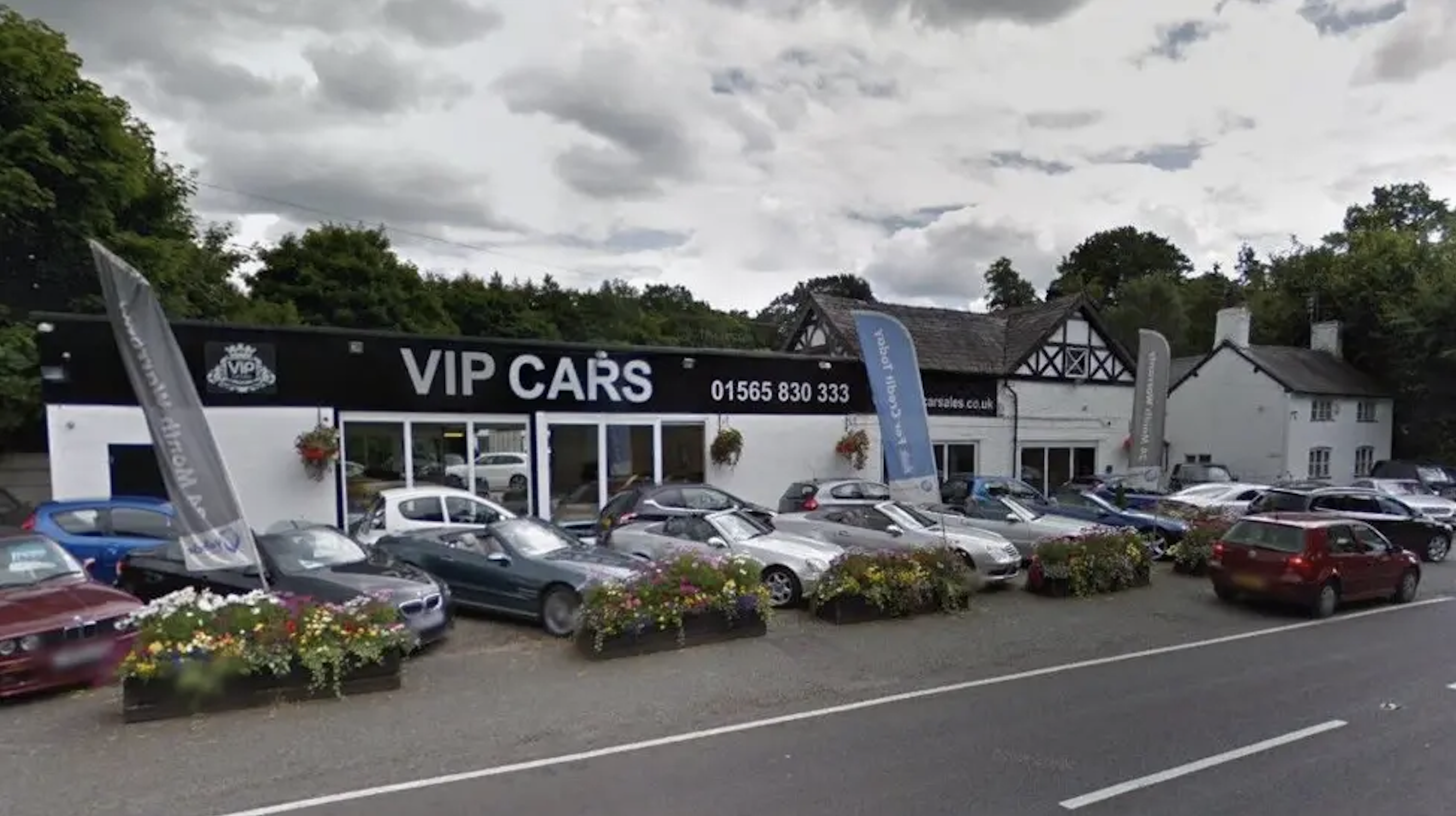
In April, the husband and wife team Richard and Rachel Gleave pleaded guilty to a series of offences linked to their business, VIP Car Sales, based in Knutsford, Cheshire. The couple had previously denied the charges, but the court record shows they eventually admitted to fraudulent trading, fraud by false representation and theft covering the period from May 2013 to March 2017.
The offences involved 65 vehicles and affected 41 victims. The prosecution alleged that the Gleaves kept sellers’ money when cars were sold, accepted payments from buyers without delivering the vehicles, and sold cars that did not belong to them.
Sentencing expectations and the sudden twist
The Gleaves were due to be sentenced at Liverpool Crown Court on 16 July, alongside former VIP Car Sales sales manager Mark East. However, the judge – Justice Ian Harris – granted the couple an adjournment, meaning only East received an immediate sentence.Mark East, who had previously admitted a single count of fraudulent trading, was handed a two‑year conditional discharge and ordered to pay a £15 victim surcharge. The judge noted that East had made “complete reparation” and was “completely rehabilitated”. His offence related to a single former customer who lost around £37,000 after using VIP Car Sales to sell vehicles on his behalf. East admitted receiving roughly £10,000 from the proceeds but later repaid the amount by working for the victim without pay over several years.
Extortion claims introduced by the defence
During the same hearing, Richard Gleave’s solicitor, Mark Monaghan, told the court that VIP Car Sales had been “effectively hijacked” by “extremely dangerous criminals”. The lawyer claimed the gangsters extorted approximately £200,000 from the business during the period in which the fraudulent activity occurred.
Although the Gleaves had already entered guilty pleas, their legal team argued that the admissions were made “under coercion”. The prosecution rejected the extortion narrative, but Justice Harris agreed to postpone sentencing to allow the new allegations to be investigated further.
Future court dates and what remains to be decided
The next scheduled hearing for Richard and Rachel Gleave is set for 22 December, when the court will decide on an appropriate sentence pending the outcome of any extortion investigation.
Should the claims be substantiated, the case could become a rare example of a fraud conviction being mitigated by evidence of organised‑crime extortion in the UK used‑car market.
Key takeaways for dealers and buyers
- The Gleaves’ fraud covered a large number of vehicles (65) and victims (41) over a four‑year period.
- Extortion allegations, if proven, may influence sentencing and highlight the risk of criminal infiltration of small automotive businesses.
- Mark East’s sentence demonstrates that full restitution and cooperation can lead to a relatively lenient outcome.
The case underscores the importance of robust due‑diligence for both used‑car dealers and customers, especially when large sums of money are exchanged.
The post Used car dealership fraud case takes bizarre twist amid claims of gangster extortion appeared first on Car Dealer Magazine.