Is the new Audi Q7 diesel‑only at launch?
Discover the third‑generation Audi Q7 – fresh design, six‑seat option and diesel‑only powertrain at launch.
Introduction – a new chapter for the Audi Q7
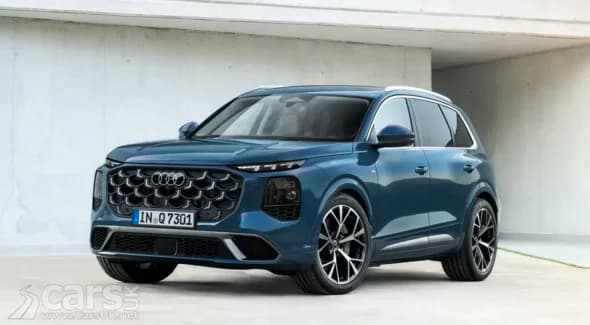
The latest Audi Q7 has been officially unveiled, bringing a refreshed exterior and interior, a six‑seat layout and, notably, a diesel‑only engine offering at launch. After two decades on the market, the Q7 moves into its third generation, succeeding the second‑generation model that has been in production for many years.
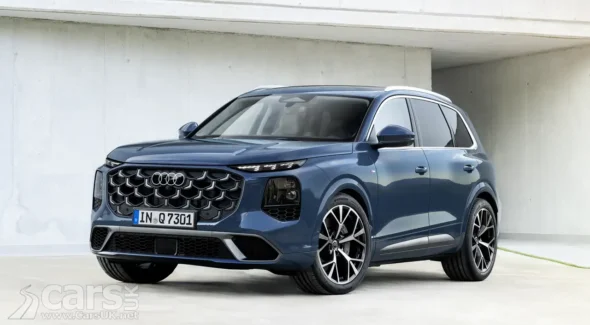
Overview of the third‑generation Audi Q7
Audi’s flagship SUV now receives a comprehensive redesign. The new styling cues are visible both on the front fascia and throughout the cabin, signalling a visual evolution while retaining the model’s recognised proportions. The updated design aligns with Audi’s broader brand language seen across its current range.
Six‑seat configuration
One of the headline features of the refreshed Q7 is the optional six‑seat configuration. This additional seating row expands the vehicle’s capacity, offering families and larger groups a practical solution without compromising on comfort. The layout provides easy access to the third row, a point often highlighted in the segment.
Diesel‑only powertrain at launch
At launch, the new Q7 will be offered solely with a diesel engine. This decision reflects Audi’s current strategy for the model, giving potential owners a proven, efficient powertrain known for its torque and long‑distance capability. While other powertrains may be announced later, the diesel option is the only one available when the vehicle first reaches dealers.
Legacy and evolution of the Q7 nameplate
The Audi Q7 celebrated its 20‑year anniversary this year, having been introduced to the market two decades ago. Despite the model’s longevity, it has only progressed through two generations until now. The third generation, unveiled today, marks a significant milestone, demonstrating Audi’s commitment to keeping the Q7 relevant in a competitive SUV market.
Throughout its history, the Q7 has been positioned as Audi’s flagship SUV, offering premium features, advanced technology and a spacious interior. The latest iteration builds on this heritage, marrying a fresh design language with practical enhancements such as the six‑seat option and a diesel powertrain that caters to customers seeking efficiency on longer journeys.
What does this mean for prospective buyers?
Potential customers can expect a vehicle that combines modern styling, increased passenger capacity and the familiarity of a diesel engine at launch. The focus on diesel may appeal to drivers who prioritise fuel economy and torque for motorway and towing duties. As the model progresses, Audi may expand the powertrain range, but the initial offering provides a clear, targeted solution for a specific segment of the market.
Dealers will soon receive the third‑generation Q7, and interested buyers should monitor announcements for pricing, trim levels and any future additions to the powertrain lineup.
Conclusion
The third‑generation Audi Q7 arrives with a bold new appearance, a versatile six‑seat layout and a diesel‑only engine at launch, underscoring Audi’s strategic focus on efficiency and practicality while marking the model’s 20‑year legacy.