Is the Jaguar XJS (1975‑1996) a Smart Classic Purchase?
Discover why the Jaguar XJS coupe remains a top‑choice classic and how to buy wisely for a lasting grand tourer.
Why the Jaguar XJS Still Turns Heads
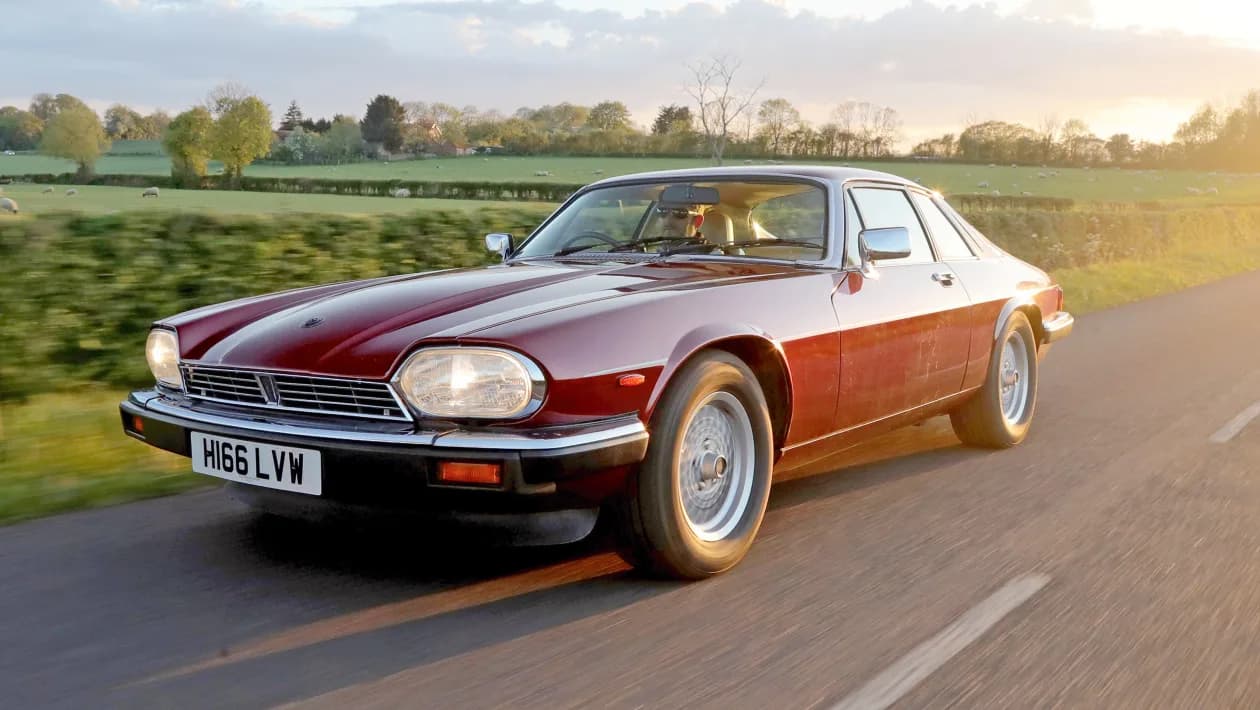
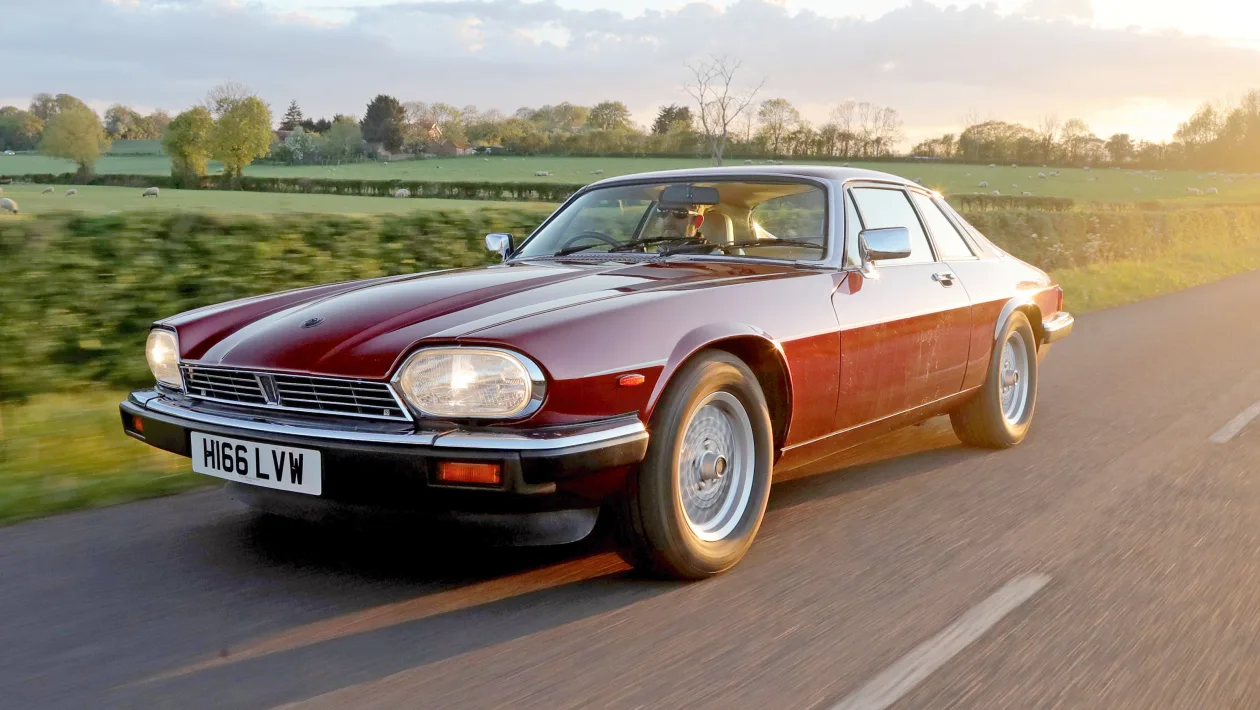
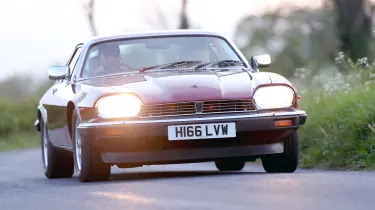
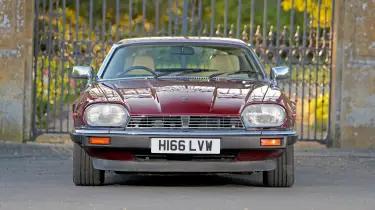
The Jaguar XJS, produced from 1975 until 1996, is widely celebrated as an upmarket British grand tourer. Its sleek coupe silhouette and timeless elegance have helped it stand the test of time, making it a favourite among classic‑car enthusiasts who value both style and heritage.
Key characteristics of the XJS
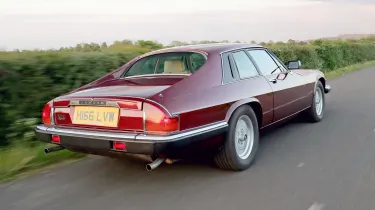
Even after four decades, the XJS retains its core identity: a refined, British‑made grand tourer with a long‑hood, a balanced rear‑wheel‑drive layout and an interior that exudes luxury. The car’s design language—clean lines, a distinctive grille and a low‑profile roofline—continues to attract collectors seeking a classic that looks as fresh today as it did in the 1980s.
What Makes a Jaguar XJS a Sensible Classic Purchase?
When potential buyers assess a classic vehicle, they look for three things: provenance, condition and future appeal. The XJS checks each box:
- Provenance: As a Jaguar‑built model, it benefits from the brand’s storied reputation and a well‑documented production history spanning 1975‑1996.
- Condition: An XJS that has been kept in a garage, with regular service records, will typically exhibit less rust and wear than a similarly aged road car.
- Future appeal: Its status as an elegant British grand tourer means demand remains steady among classic‑car markets, supporting both enjoyment and resale value.
Buying wisely – what to inspect
Regardless of brand, classic cars benefit from a thorough pre‑purchase inspection. For the XJS, focus on the following areas:
- Chassis rust – check wheel arches, sills and the under‑body for any signs of corrosion.
- Engine health – listen for unusual noises and verify oil quality; the XJS’s inline‑six is known for durability when properly maintained.
- Electrical system – older British cars can develop wiring gremlins; ensure lights, gauges and the heater operate correctly.
- Interior trim – original leather and wood veneers add value, so assess wear and any replacement parts.
Typical Questions from Prospective XJS Owners
Is the Jaguar XJS worth buying as a first classic? Its relatively straightforward mechanical layout and abundant parts availability make it a practical entry point for new classic‑car collectors.
How does the XJS compare to other British grand tourers? While each model has its own charm, the XJS is often highlighted for its blend of performance, comfort and an unmistakable design that continues to attract interest.
What running costs should I expect? Maintenance on a well‑kept example is predictable; regular servicing of the engine, brakes and suspension will keep the car reliable for long‑distance touring.
Preserving the XJS for the Future
Owners who wish to keep their XJS in top condition should consider a few long‑term care steps:
- Store the car in a dry, temperature‑controlled environment to limit corrosion.
- Adopt a regular service schedule using genuine or high‑quality aftermarket parts.
- Maintain detailed service logs – future buyers will value a documented history.
Where to find a trustworthy XJS
DealerPricing.co.uk aggregates listings from reputable UK dealers, allowing you to compare mileage, service history and price. Using the platform’s valuation tools helps ensure you pay a fair market rate for a well‑preserved XJS.
Conclusion – an elegant investment
The Jaguar XJS, built between 1975 and 1996, remains an elegant, upmarket British grand tourer that has clearly stood the test of time. By focusing on provenance, condition and documented maintenance, buyers can secure a cherished example that offers both driving pleasure and lasting value.