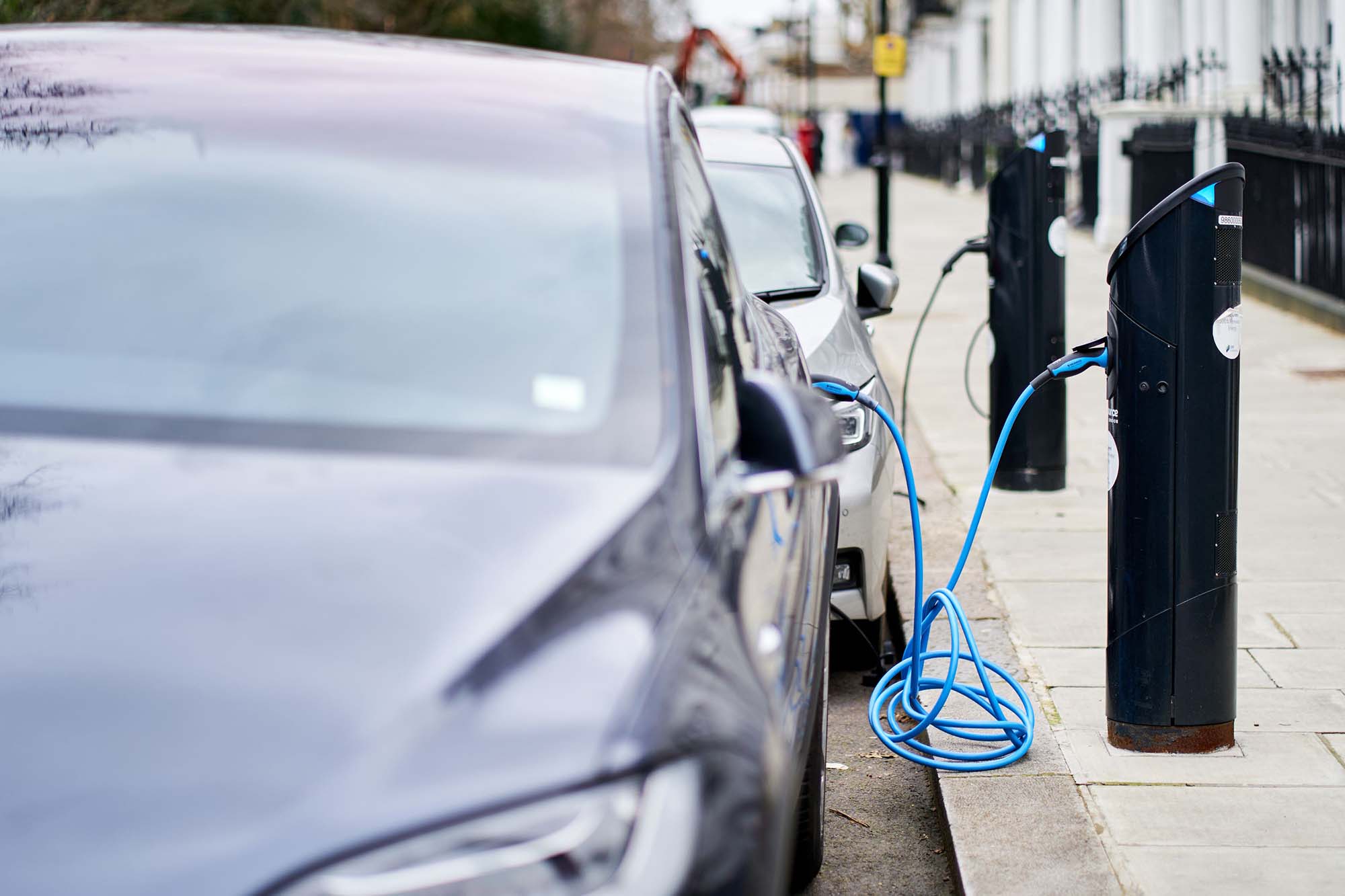
Is the current EV sales surge a temporary “sugar rush” or a lasting market shift?
Autotrader’s Road to 2030 report warns of a fleeting EV boost. Find out if price parity and charging upgrades make the surge permanent.
Autotrader’s Road to 2030 report flags a possible EV sales tipping point
Car dealers are being warned that the recent spike in electric‑vehicle interest could be a short‑lived “sugar rush”. The new Road to 2030 analysis, published by Autotrader, shows that electric cars have been the most popular fuel type on the platform for the past three months.
Ian Plummer, chief customer officer at Autotrader, explains that the surge appears tied to geopolitical tension in the Middle East and headline‑grabbing petrol price hikes. “There’s a real risk geopolitical forces are causing a temporary sugar rush for the UK’s EV market as buyers respond to soaring petrol prices,” he says.
Plummer adds that without removing structural barriers, the increase may evaporate: “We shouldn’t rely on international conflict to boost this transition – previous spikes driven by fuel price hikes simply didn’t last.”
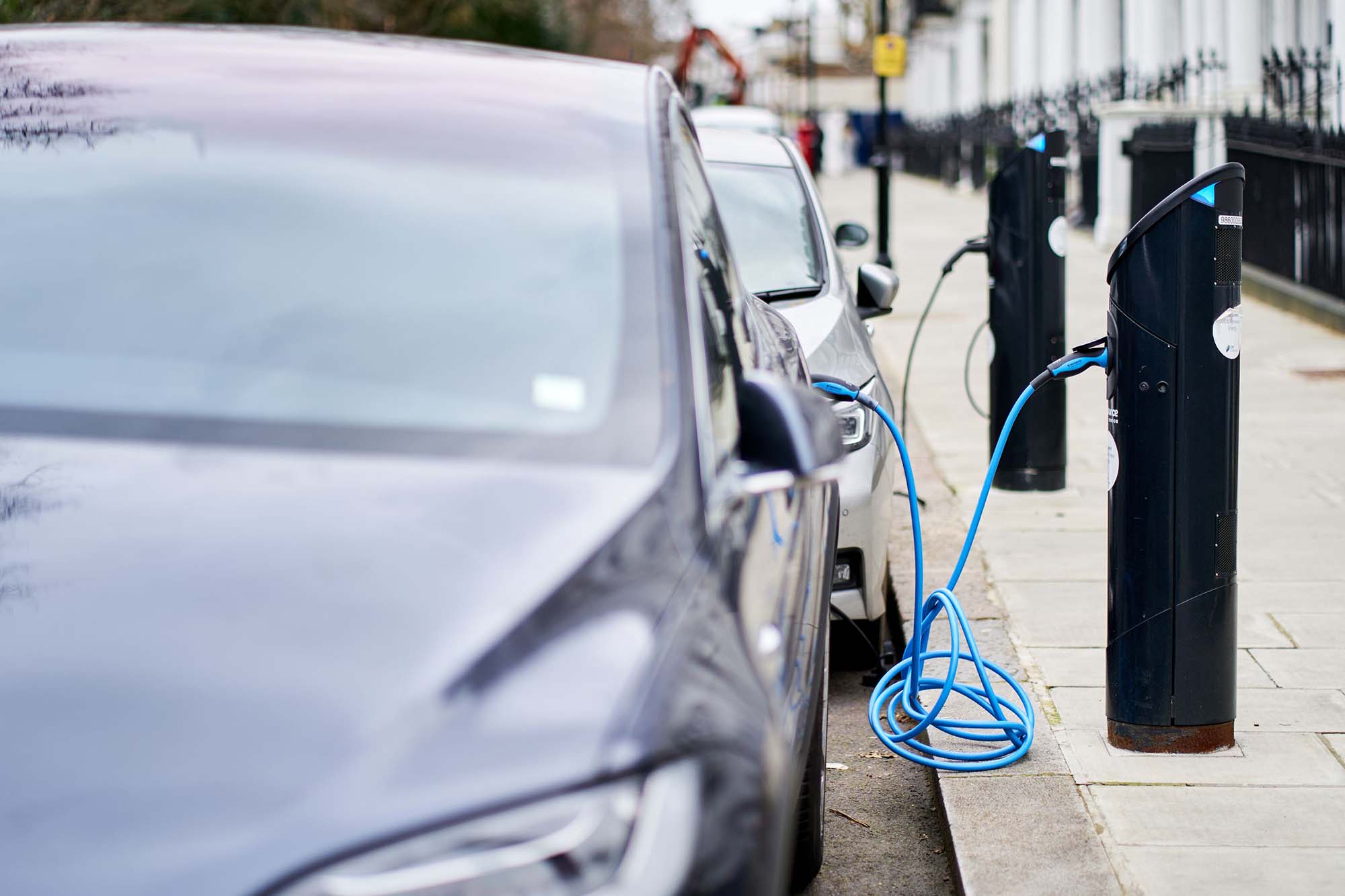
Key statistics from the three‑month period to 31 May 2026
- 27 % of all enquiries on Autotrader were about electric vehicles, up from 18 % in the same period in 2025.
- New‑vehicle enquiries for EVs grew 125 % year‑on‑year, compared with a 31 % rise across the wider new‑car market.
- A survey of 2 000 recent non‑EV buyers found only one in ten had considered an electric car.
- 84 % of those respondents said EVs were too expensive, 69 % found charging inconvenient and 65 % felt there were insufficient charge points near their homes.
Pricing trends signal a narrowing gap
Autotrader’s March and April pricing data revealed, for the first time, that the average advertised price of a new EV fell below that of an average petrol car. In May the gap briefly reversed – petrol was £13 cheaper on average – but the disparity shrank dramatically from a £3,607 difference a year earlier.
Industry voices push back on the “fragile demand” narrative
Leaders within the EV sector argue the rise is not a fleeting reaction to fuel prices but the result of a product that is finally ready for mass adoption.
Tanya Sinclair, chief executive of Electric Vehicles UK, says: “When only 10 % of non‑EV buyers say they considered going electric, that’s not just a confidence problem – it’s an information problem.” She points to three facts that, she believes, undermine the sugar‑rush theory:
- Average new‑EV price is now competitive with comparable petrol models.
- Many EVs now achieve real‑world ranges of over 300 miles.
- The UK public‑charging network has surpassed 120,000 points.
Former Nissan chief Andy Palmer echoes this view, noting that “EVs are simply better cars for most of our needs, and the industry has bet its entire capital base on them. That bet doesn’t get unwound because petrol drops 10p a litre.”
Gurjeet Grewal, CEO of Octopus Electric Vehicles, adds that drivers now have a genuine alternative to fossil‑fuel cars. “By switching to electric, they can tap into cheaper, home‑grown energy and take greater control of their motoring costs,” he says, highlighting an annual 30 % rise in UK EV demand.

What dealers and the government can do
With three quarters of car purchases being used vehicles, Autotrader urges the government to extend the Electric Car Grant to the used‑car market, to make low‑cost at‑home charging more widely available, and to consider delaying the proposed electric‑vehicle excise duty. Plummer stresses the need for an “accessible and equitable transition” for households on lower incomes, especially with the statutory ban on new petrol and diesel cars less than five years away.
Conclusion – a market in transition
The data shows a clear upturn in consumer interest, but the industry remains divided on whether the surge will endure once fuel‑price volatility subsides. What is indisputable is that EVs are reaching price parity, offering longer ranges, and benefitting from a rapidly expanding charging infrastructure. Whether the market’s momentum is a fleeting sugar rush or the beginning of a lasting shift may hinge on how quickly the identified barriers – price perception, charging convenience, and grant availability – are resolved.