Is Sale‑or‑Return Safe? Porsche Dealer Jailed Over £1 m Fraud
A Porsche specialist sentenced for £1 m sale‑or‑return fraud highlights the risks of SOR deals – what you need to know.
A Porsche‑specialist dealer has been sentenced to two‑and‑a‑half years in prison after a £1 million sale‑or‑return fraud was uncovered.
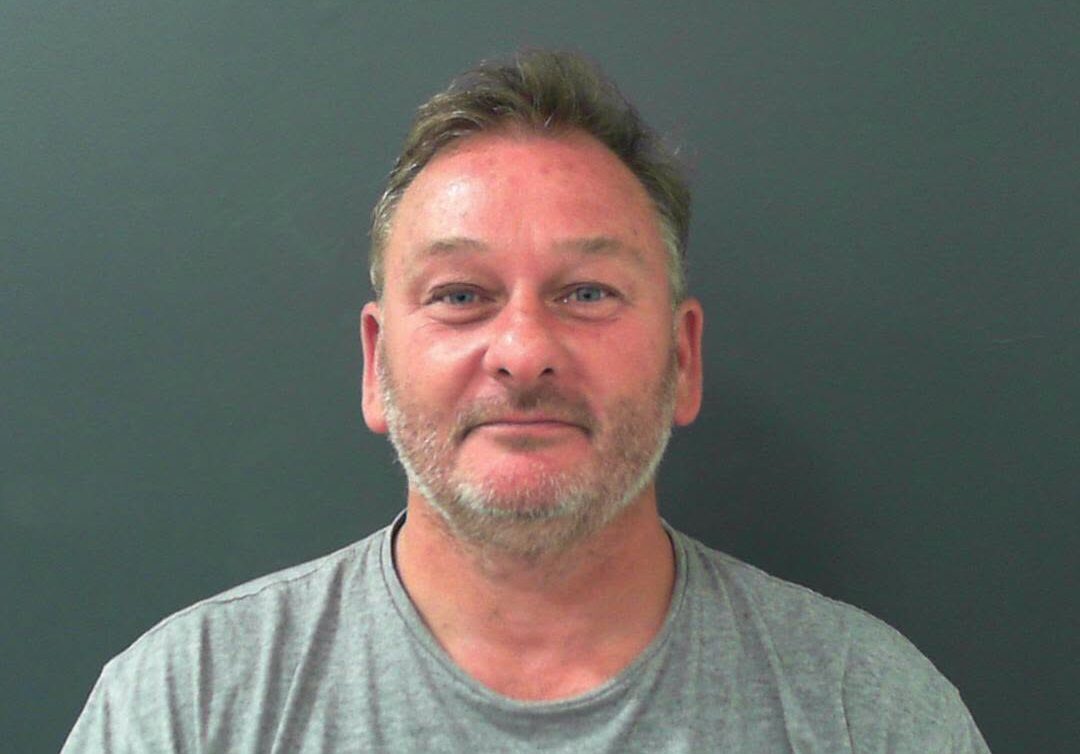
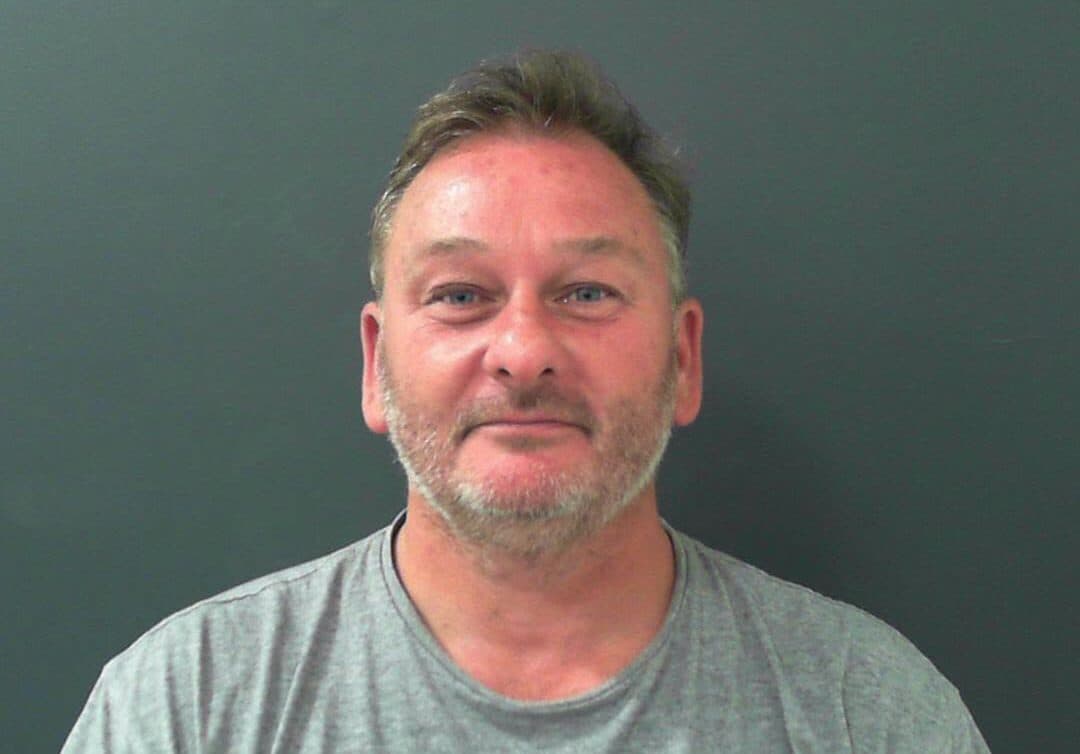
Andrew Mearns, 57, pleaded guilty to 14 counts of fraud at Sheffield Crown Court on 14 August. He owned Gmund Cars, a Knaresborough‑based business that marketed itself as a classic Porsche specialist, taking customers’ high‑value vehicles on a sale‑or‑return (SOR) basis.
How the fraud operated
Under a typical SOR arrangement, a car owner hands their vehicle to the dealer to sell on their behalf. The dealer is supposed to deduct a pre‑agreed commission from the final sale price and pass the remainder to the owner. In Mearns’ case, owners discovered that their cars had been transferred to new owners without any money reaching them.
North Yorkshire Police told the court that Mearns retained the proceeds of each sale. The offences relate to 14 separate reports made between October 2017 and July 2019.
Victims and losses
One victim, Matt Saphier, handed Gmund a Porsche 911 valued at more than £80,000 in May 2017. A year later he received a DVLA notice that the car’s ownership had changed, yet he never received any sale proceeds.
Another victim, Anthony Place, entrusted his Porsche 924 Carrera GT to Mearns in August 2018. By March the following year the DVLA record showed a change of ownership, and Place was also left without any payment.
Mearns was listed as a director of Gmund Cars Limited from its incorporation in 2006 until 2019; the company was dissolved in 2020.
Official response
Police Staff Investigator Corrina Graham‑Merrett (North Yorkshire Police) said, “Mearns lied to his customers time and time again. Thankfully his offending was brought to a stop, and we have worked tirelessly to secure evidence against him over many years. The financial and emotional impact on his victims has been nothing short of devastating, and will no doubt continue whilst civil cases are pursued to have vehicles repatriated. It is right that he now faces the consequences for his actions.”
Sale‑or‑return under increased scrutiny
This conviction follows a series of high‑profile SOR failures that have left owners without cars or money. Earlier in the year, the collapse of super‑car dealer Targa Florio Cars was reported, with customers claiming that vehicles sold on SOR never generated proceeds for them. Sussex Police confirmed an investigation into payment issues at that firm.
Similarly, the sudden shutdown of GVE London – which claimed roughly 80 % of its stock was sold on a SOR basis – resulted in a dispute over hundreds of cars now handled by administrators.
These incidents have prompted the Financial Conduct Authority (FCA) to reach out to dealers using SOR arrangements, asking for details of the controls they have in place to protect consumers.
What the case means for buyers
For anyone considering a SOR deal, the verdict underscores the importance of conducting thorough due diligence. Prospective sellers should verify a dealer’s track record, request written agreements that outline payment timelines, and consider securing an escrow service to hold proceeds until the transaction is completed.
As the FCA tightens its oversight, the automotive market may see clearer guidance and stricter enforcement, offering greater protection for owners of classic and high‑value vehicles.
The original story was published on Car Dealer Magazine.