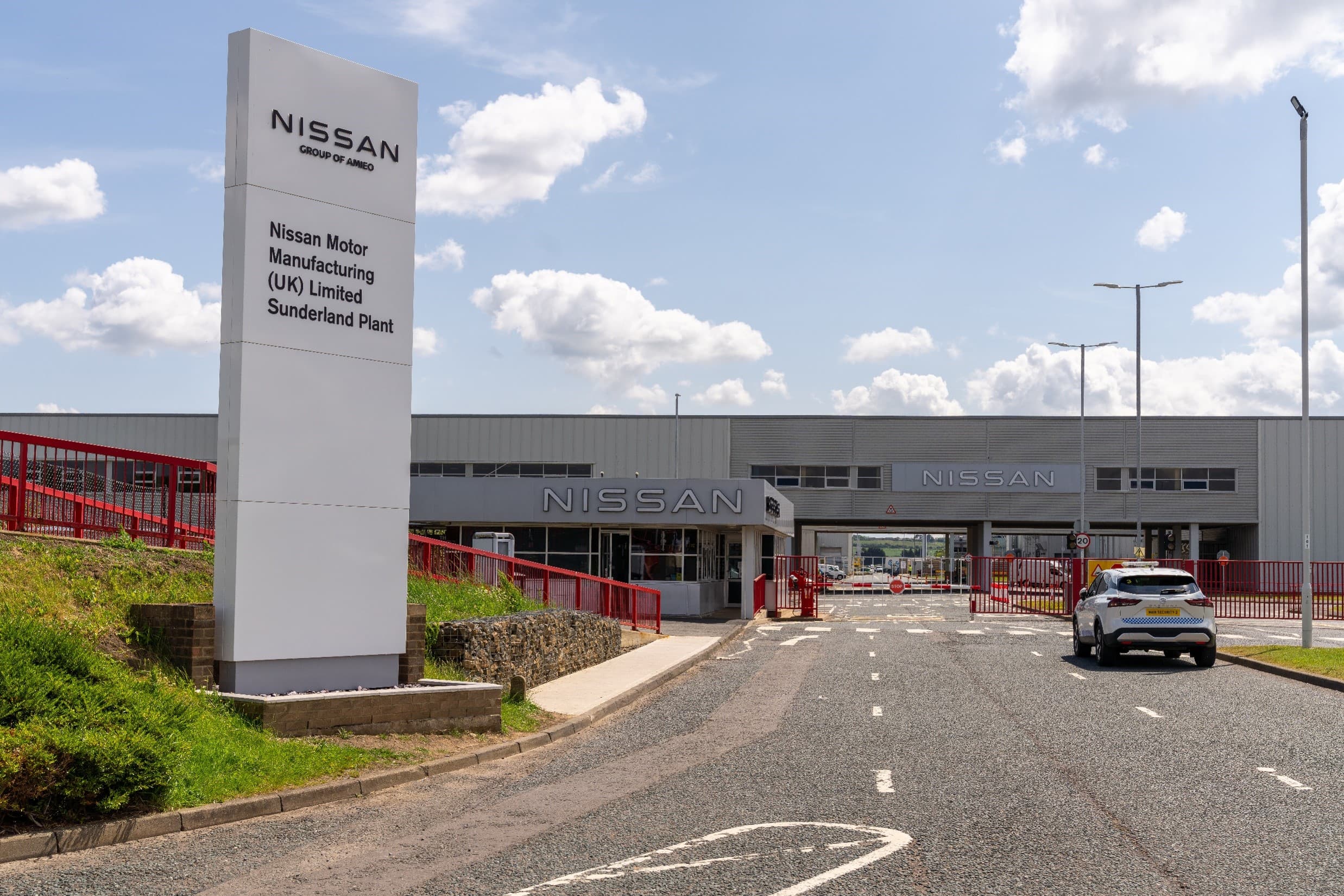
Is Nissan set to invest in Sunderland if the UK ZEV mandate is softened?
Nissan discusses a financial package with the UK government tied to a possible cut in the ZEV mandate – what the talks mean for Sunderland jobs and Chery's entry.
Background to the UK ZEV mandate
The UK government’s zero‑emission vehicle (ZEV) target currently requires 80% of new car sales to be fully electric by 2030. Recent political manoeuvring – notably Keir Starmer overturning Net Zero minister Ed Miliband and aligning with business secretary Peter Kyle – has raised the prospect of reducing that ambition to 50%.
This potential watering‑down was highlighted in Car Dealer Magazine, which noted that the Prime Minister’s resignation could influence the final shape of any amendment.
Potential Nissan investment linked to mandate changes
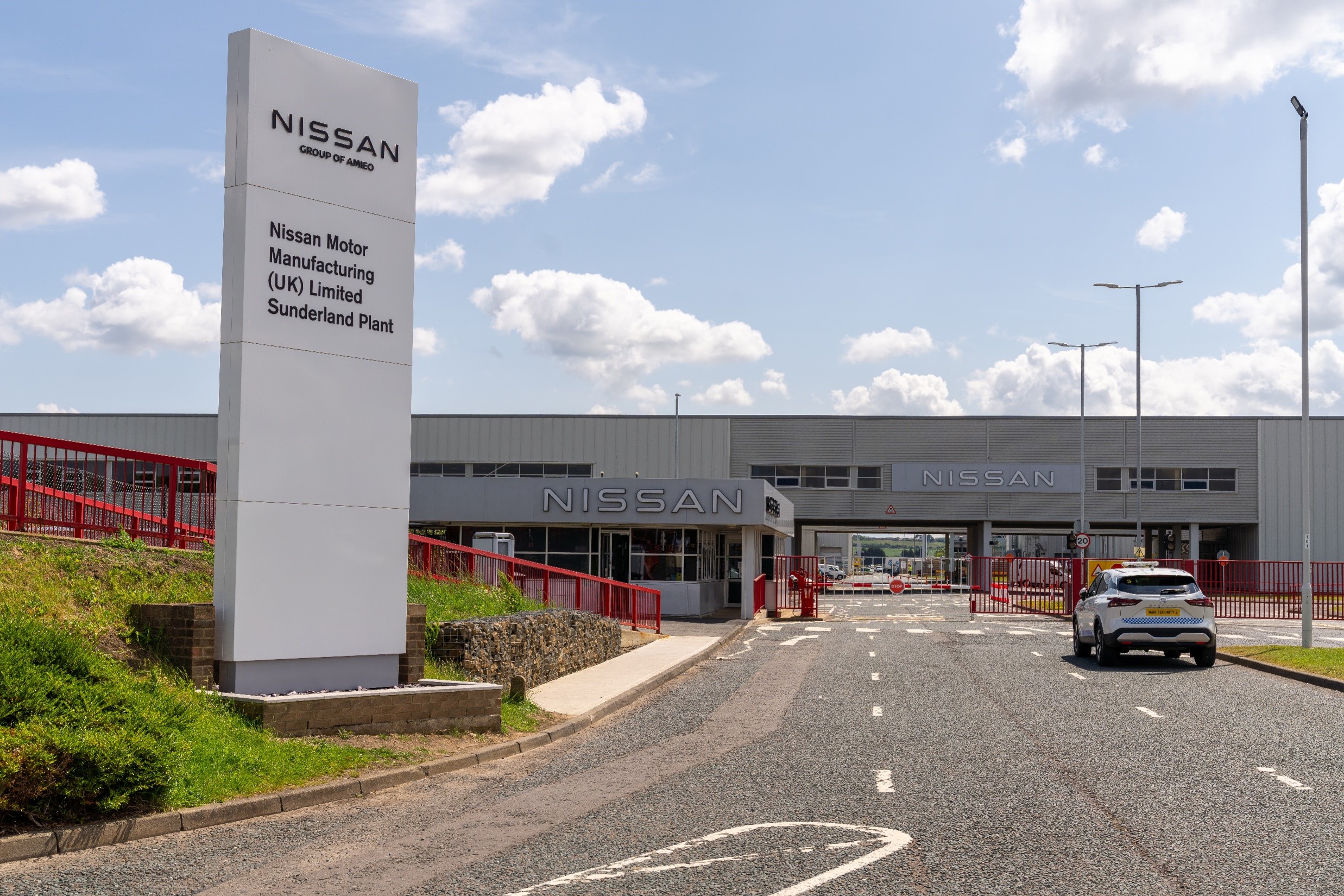
Nissan has entered discussions with the UK government about a possible financial package aimed at safeguarding the future of its Sunderland plant. According to the Financial Times, the Japanese automaker is prepared to commit fresh capital to the site – but only once a softened ZEV mandate has been formally confirmed.
The envisioned package would combine Nissan’s own investment with government support in the form of grants or tax breaks. While neither party has publicly confirmed the talks, a government spokesperson confirmed ongoing engagement, stating the aim is to “support jobs, drive growth and secure the future of the automotive sector”.
The spokesperson also reiterated the government’s commitment to the ZEV mandate, adding that any review will adopt a “pragmatic and balanced approach that supports British industry”. In turn, Nissan emphasised its “strong and collaborative relationship with the UK government” and expressed eagerness to continue working together.
How the talks fit with wider industry developments
The timing of these negotiations follows a separate announcement that Chinese carmaker Chery intends to use spare capacity at the Sunderland facility. The two companies signed a non‑binding memorandum of understanding earlier this month, with the aim of having Chery‑built vehicles rolling off the line in the 2027 financial year.
Should the Chery arrangement proceed, it would bolster utilisation of the Sunderland site, complementing Nissan’s own plans to consolidate production onto a single line – a move designed to “assess future opportunities to secure full plant utilisation”.
Nissan’s broader European restructuring
Earlier in the year, Nissan disclosed a Europe‑wide restructuring that will see about 900 jobs lost across the continent as the company streamlines its manufacturing footprint. Crucially, senior Nissan officials have indicated that jobs at the Sunderland plant are expected to remain secure despite the wider cuts.
The combination of potential government incentives, a softened ZEV target, and the prospective Chery partnership could shape the long‑term outlook for Sunderland, preserving its status as a key hub for vehicle production in the United Kingdom.

Implications for the UK automotive sector
If the ZEV mandate is indeed relaxed to 50% by 2030, manufacturers such as Nissan may find the UK market more aligned with their existing product ranges, encouraging further capital expenditure. At the same time, the government’s willingness to pair investment with tax relief could set a precedent for future negotiations with other carmakers seeking certainty amid shifting environmental policies.
Stakeholders will be watching closely to see whether the proposed investment materialises, how it interacts with Chery’s planned use of spare capacity, and what impact it will have on employment and regional economic growth.