Is Carwow's removal of reserve prices reshaping UK used‑car auctions?
Carwow drops reserve prices, showing only retail values – discover how the change impacts dealers, seller commitment and auction strategy.
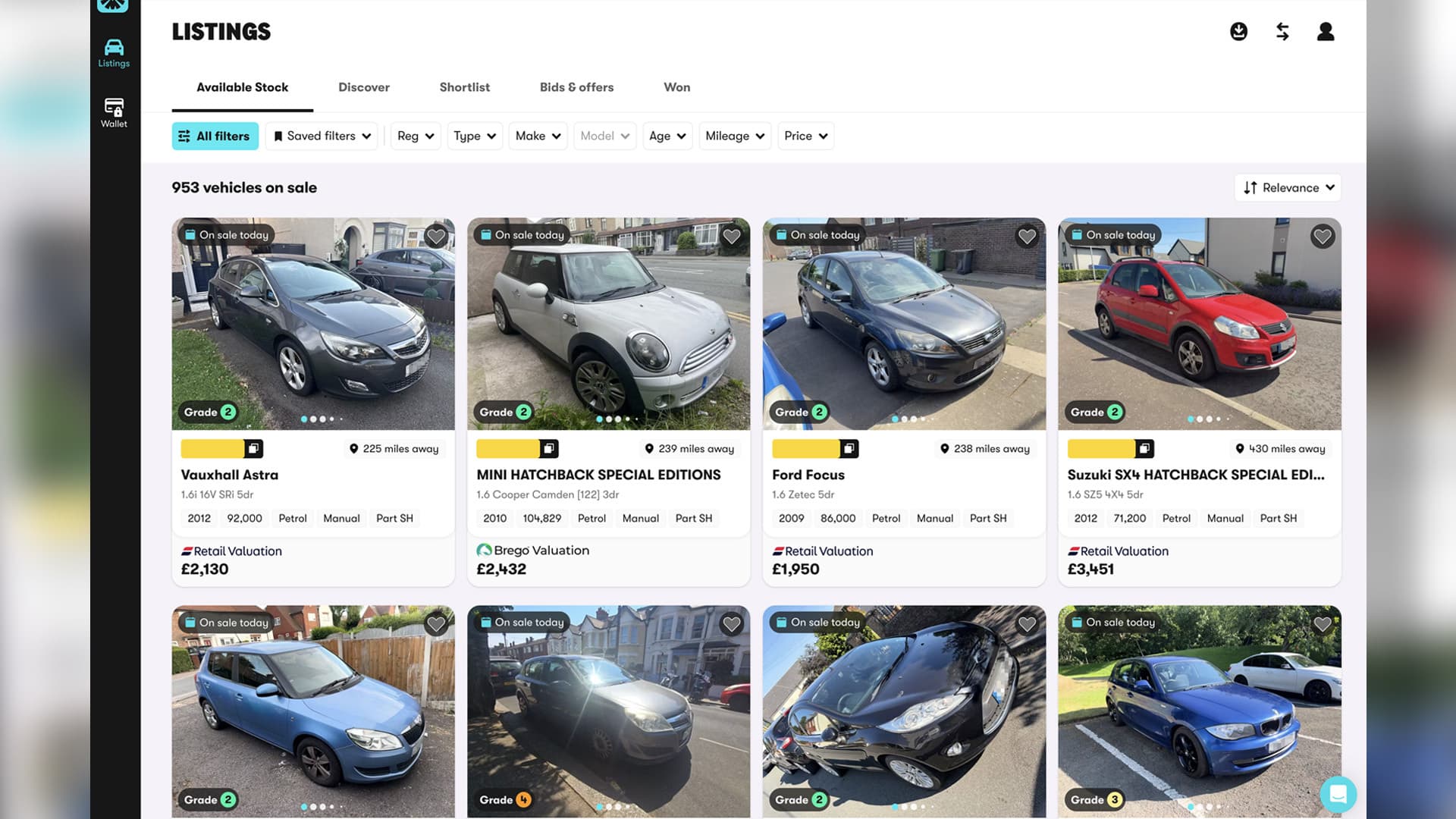
Carwow has altered the structure of its daily used‑car auctions virtually overnight, eliminating reserve prices and displaying only retail valuations supplied by Autotrader and Brego. The move has left many UK dealers questioning how to place competitive bids when the seller’s minimum price is no longer visible.
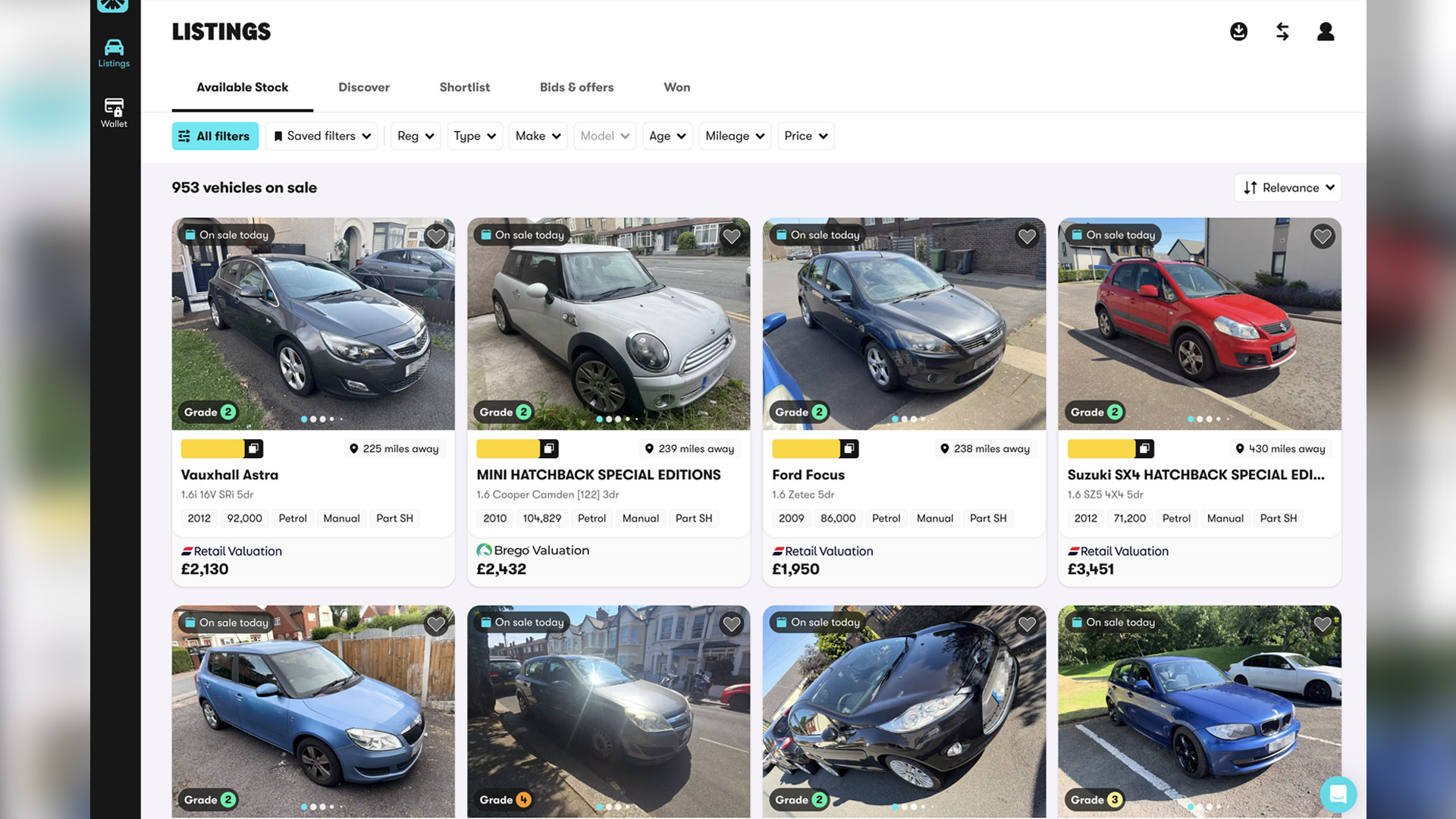
What the new format looks like
Previously, Carwow’s auction listings – often exceeding 1,000 cars per session – included a reserve price that acted as a baseline for dealer bids. Although reserves were frequently higher than standard trade‑guide values, they gave dealers a clear indication of the minimum amount a seller expected.
Under the new system, the reserve is hidden. Dealers now see only a single retail price alongside the Autotrader and Brego valuations. Carwow still agrees a reserve with the seller internally, but it is not shown to participants. The platform argues this will encourage ‘more commitment’ from sellers who must accept the Carwow‑provided valuation.
Dealer reaction
Concerns about bidding blind
Several dealers have expressed frustration, describing the shift as ‘bidding blind’. Umesh Samani, chair of the Independent Motor Dealers Association, said the previous reserve information allowed dealers to make informed decisions and that the new retail‑only display is “somewhat meaningless” for trade buyers.
George Manning, director of Hilton Garage, added that the change appears designed to push selling prices higher and could increase buyer fees, undermining the speed and certainty that online auctions promise.
Some dealers see a benefit
Not all feedback is negative. One dealer noted that traditional auctions also hide reserves, and that removing the figure on Carwow could reduce the psychological barrier that sometimes prevents bids. This dealer welcomed the chance to submit their “best bid” without being influenced by an “unrealistic reserve”.
Carwow’s reasoning
In an email to its dealer network – which many say was overlooked – Carwow explained that the switch to retail‑back pricing would allow participants to lead with their strongest offer straight away. The company claims that by basing seller expectations on Autotrader retail data, it can reduce post‑auction negotiations and increase seller commitment.
CEO John Veichmanis told Car Dealer that testing showed a higher volume of bids when reserves were removed. He argued that reserves can become a distraction, causing dealers to avoid certain car segments entirely. According to Veichmanis, the new format mirrors the approach used by major auction houses such as Manheim and BCA, where dealers also bid without knowing the reserve.
Additional changes and market context
Alongside the reserve removal, Carwow has eliminated its “Buy Now” listings. The company believes the streamlined process will lead to faster sales and fewer after‑sale haggles.
Rival platform Motorway continues to list reserves and has recently introduced a £29.99 fee for private sellers, added on top of dealer purchase fees. This contrast highlights differing strategies within the UK online auction market.

What this means for dealers
Most dealers already work “retail back”, starting from the retail price and deducting preparation costs, auction fees and transport to calculate their margin. With reserves hidden, each dealer must rely on their own cost model to decide how much to offer.
Carwow maintains that if a bid exceeds the internally set reserve, the car is sold instantly, promising a boost in seller confidence and fewer post‑auction negotiations.
Industry observers will be watching closely to see whether the increased bid activity reported by Carwow translates into higher turnover for dealers, or whether the lack of reserve transparency will drive some traders back to platforms that retain the traditional reserve system.