Is AI Still a Mystery for Car Dealers? Key Insights from NADA 2026
UK car dealers face AI uncertainty: insights from NADA 2026 reveal practical applications for warranty administration, sales and customer service. How should dealers implement AI effectively?
Artificial Intelligence in Car Dealerships: Practical Lessons from NADA 2026
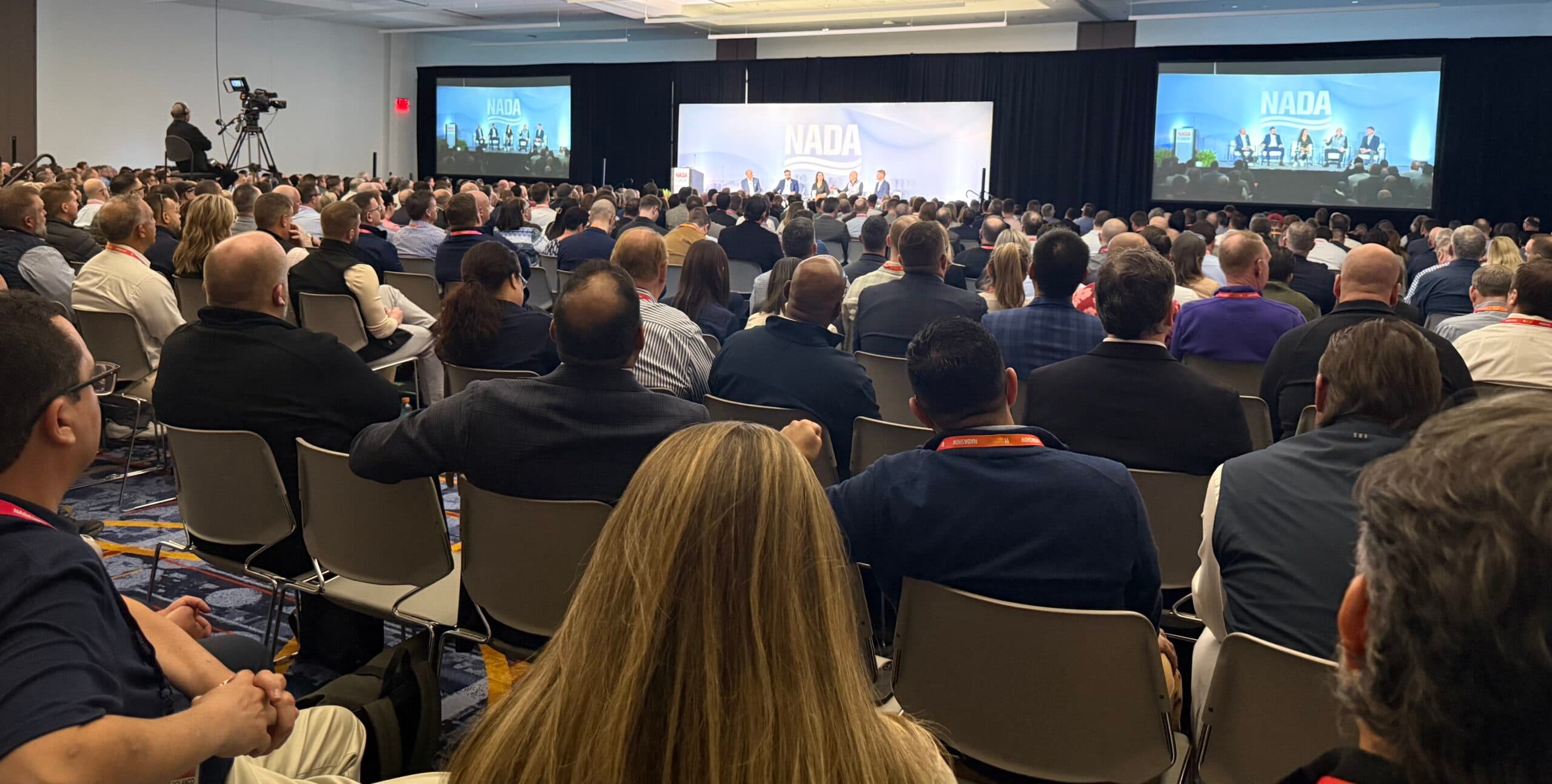
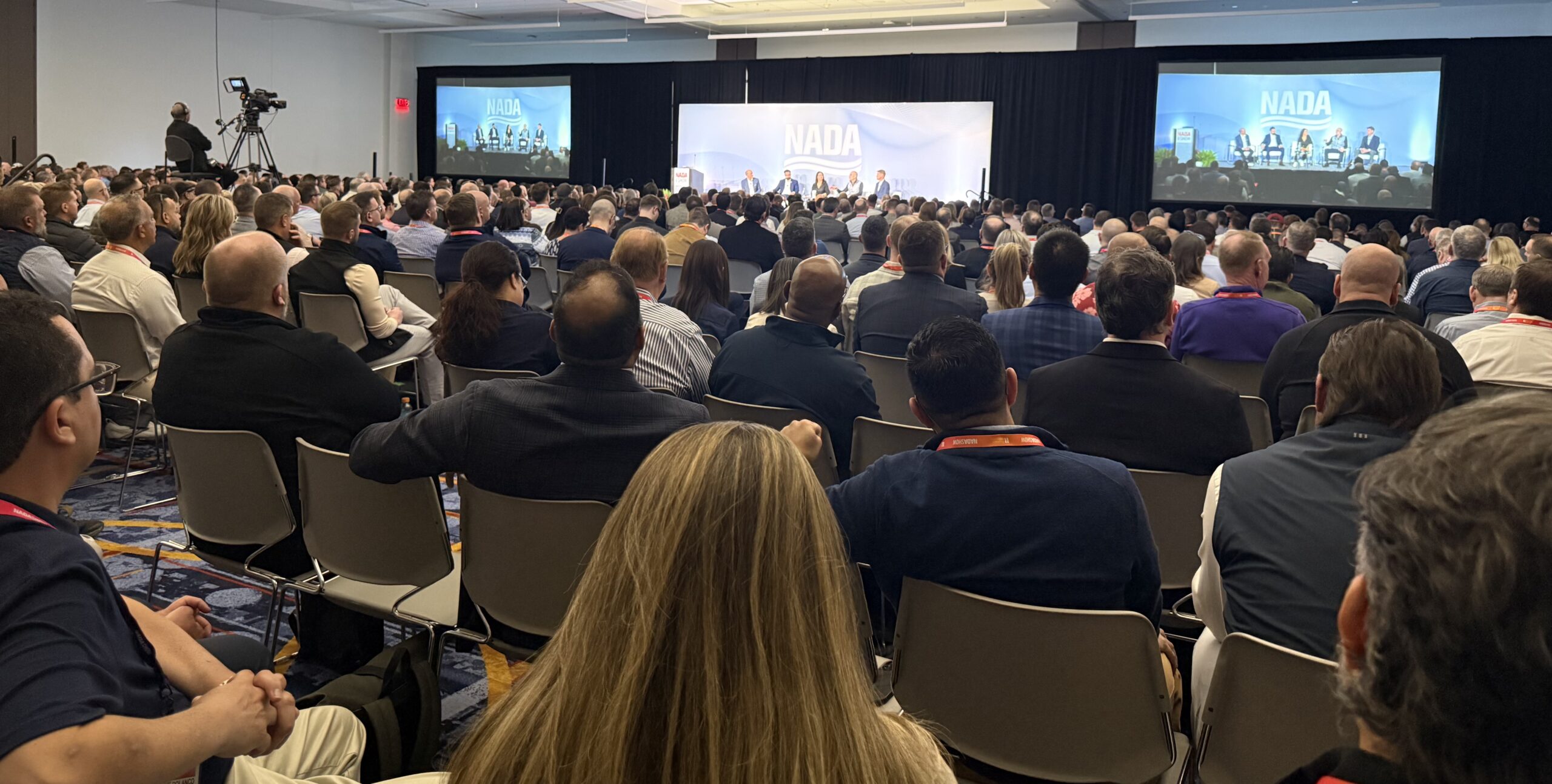
When car dealers gathered at this year's NADA convention in Las Vegas, one topic dominated conversations across the exhibition halls and conference sessions: artificial intelligence. As the automotive industry grapples with how to harness this transformative technology, a key panel session revealed that even major US dealership groups are still navigating the best approaches to implementation.
What became abundantly clear during the discussions was that when it comes to AI, the industry is very much in the experimental phase. Despite AI's prominence at this influential event, which often sets trends for car dealers worldwide, the session demonstrated that even the largest American automotive firms haven't yet established clear best practices for deployment.
Matthew Laughridge, a Hyundai and Genesis dealer who has implemented AI solutions throughout his dealership, offered crucial advice for those considering AI partnerships. "This is not magic," he cautioned. "These are tools. Don't get oversold on the product." His perspective highlights the importance of viewing AI as practical technology rather than a miraculous solution.
The Human Element: AI as a Team Player
Laughridge emphasised that successful AI implementation begins with getting staff on board. "You can't just buy a tool and expect it to work," he noted, stressing that ensuring employees see AI as a companion rather than a replacement for their jobs was critical. "This is still a relationship business," he added. "AI should enhance their job, not replace it."
Rather than viewing AI purely as a cost-saving measure, Laughridge suggested dealers should consider it as a potential revenue driver. He shared practical examples from his own operations, including using AI in warranty administration to streamline claims, document processes and automate submissions to manufacturers. Additional applications included telephone lead follow-up systems, sales department customer enquiry handling, and marketing message improvement.
Avoiding Common AI Pitfalls
Jennifer Suzuki from eDealer Solutions expanded on this team-oriented approach, suggesting that thinking of AI as a "team mate" was a good starting point for dealers. However, she issued an important warning: "Applying AI to a bad process will just make that bad process even worse."
She explained to the packed auditorium that "AI doesn't fix operational problems" and that automating poor messaging or broken processes would simply "scale those mistakes." Suzuki recommended that dealers identify their biggest operational pain points and involve affected staff in developing solutions. "Train everyone on how and when to use AI," she advised, suggesting that incorporating AI into team meetings would encourage wider adoption.
Encouraging Experimentation and Addressing New Search Patterns
Steve Greenfield from Automotive Ventures echoed these views, emphasising the importance of staff experimentation. "Humans are lazy – they'll find ways to make their lives easier. Encourage your employees to experiment," he told the audience.
Greenfield highlighted a significant shift in consumer behaviour, noting that more car buyers are using AI assistants like ChatGPT instead of traditional search engines. "We're back in the very early days of SEO and trying to figure out how to show up in AI search results," he explained, advising dealers to search for their dealership in ChatGPT and study competitors who appear in results.
He also urged dealers to deploy AI for handling phone calls, stating that "lost phone calls were lost money" and AI could help address this issue. The panel collectively stressed the importance of discussing AI with dealership staff, warning that employees might unknowingly upload sensitive data to large language models without understanding the risks.
As the automotive industry continues to navigate the AI landscape, these insights from NADA 2026 suggest that successful implementation requires careful planning, staff involvement, and a focus on enhancing existing processes rather than expecting AI to provide instant solutions. For UK car dealers considering AI adoption, the message is clear: start with clear objectives, involve your team, and focus on practical applications that support your business relationships rather than replacing them.