Is a Used Volvo C40 Recharge a Second-Hand Bargain in 2024?
Considering a used Volvo C40? Our guide covers the pros and cons of the all-electric coupe-SUV, from its stylish design to factors affecting its value.
The Used Volvo C40: A Stylish Electric Entry to the Premium Market
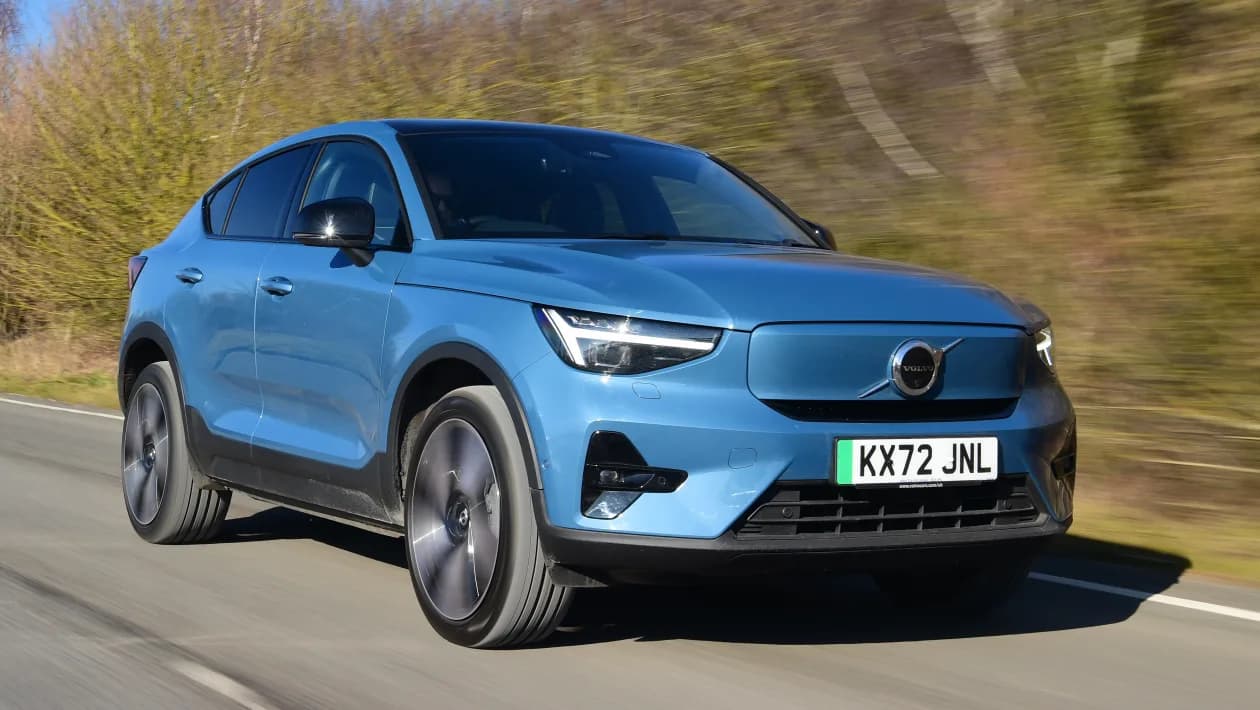
Since its UK debut in 2021, the Volvo C40 Recharge has carved out a distinctive niche in the bustling electric vehicle (EV) market. As the first Volvo model designed from the ground up as a pure electric vehicle, it represents a significant step in the Swedish brand's electrification strategy. Its coupe-SUV styling immediately sets it apart, offering a more fashion-forward alternative to the boxier XC40 Recharge with which it shares its fundamental CMA platform. For used car buyers, the C40 presents an intriguing proposition: a near-new, premium electric vehicle that is beginning to appear on the second-hand market at prices that demand a closer look.
What Makes the C40 Stand Out?
Visually, the C40's sloping roofline and sharper lines give it a sportier, more dynamic character than many of its rivals. This design does come with a practical trade-off, slightly reducing rear headroom and boot space compared to the XC40, but it undoubtedly appeals to those prioritising style. Inside, the cabin is a hallmark of modern Volvo design, featuring a minimalist dashboard dominated by a large, portrait-oriented touchscreen that controls most vehicle functions. The materials used are typically of a high standard, with a particular emphasis on sustainable options, including recycled fabrics. This focus on premium feel and ethical production is a key part of the C40's appeal.
Performance and Real-World Range Considerations
The early C40 models available on the used market are predominantly the twin-motor, all-wheel-drive variants. These offer brisk performance, with a 0-60mph time comfortably under 5 seconds, making them unexpectedly quick for a family-focused SUV. However, this performance comes at the expense of efficiency. The official WLTP range figures for these models are competitive, but real-world driving, especially on motorways or in colder weather, can see this drop significantly. Potential buyers should carefully consider their typical journey lengths and charging options. The relatively high energy consumption of the powerful dual-motor setup is a key factor that can influence the car's day-to-day running costs and its attractiveness as a used buy.
Why Are Used C40 Prices Appealing?
The C40's presence in the used car market is growing, and its depreciation curve is an important aspect for buyers to understand. Like many premium EVs, the C40 experienced significant initial depreciation. This means that a nearly new example can be acquired for a considerably lower price than its original list price, making a pre-owned C40 a potentially shrewd way to access Volvo's electric technology and premium build quality without the new car price tag. However, this depreciation is not without cause. The rapid pace of EV development, concerns over battery longevity for early adopters, and the aforementioned real-world efficiency are all factors that the market has priced in.

A Balanced Verdict for the Used Buyer
Ultimately, the used Volvo C40 is a compelling but nuanced choice. It offers a distinctive design, a high-quality and sustainable interior, and strong performance. For the right buyer—someone who values style, has realistic expectations about range, and can capitalise on the savings offered by depreciation—it can represent a genuine bargain. It is crucial, however, to go in with your eyes open. Thoroughly researching the specific model's history, understanding the charging infrastructure available to you, and perhaps waiting for single-motor, longer-range versions to filter down to the used market could lead to an even smarter purchase. As with any modern EV, a used C40 is cheap for a reason, but for many, those reasons may be perfectly acceptable trade-offs for the benefits it provides.