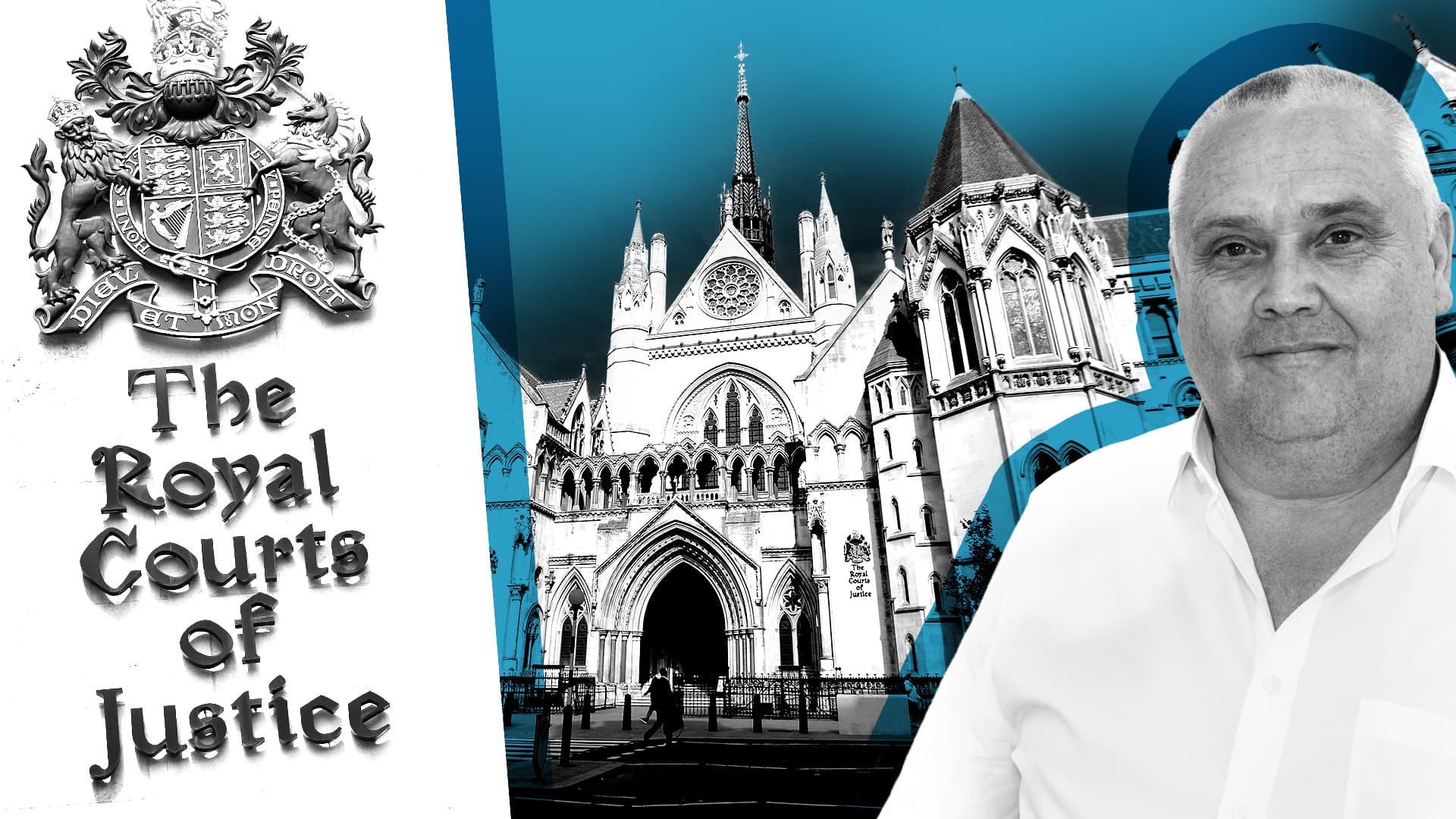
Is a CEO’s Dismissal at a Used‑Car Supermarket Lawful? The High Court Verdict on Peter Waddell vs Big Motoring World
What did the High Court decide about Peter Waddell’s sacking? Find out why the dismissal was ruled lawful and what it means for used‑car firms.
Background to the dispute
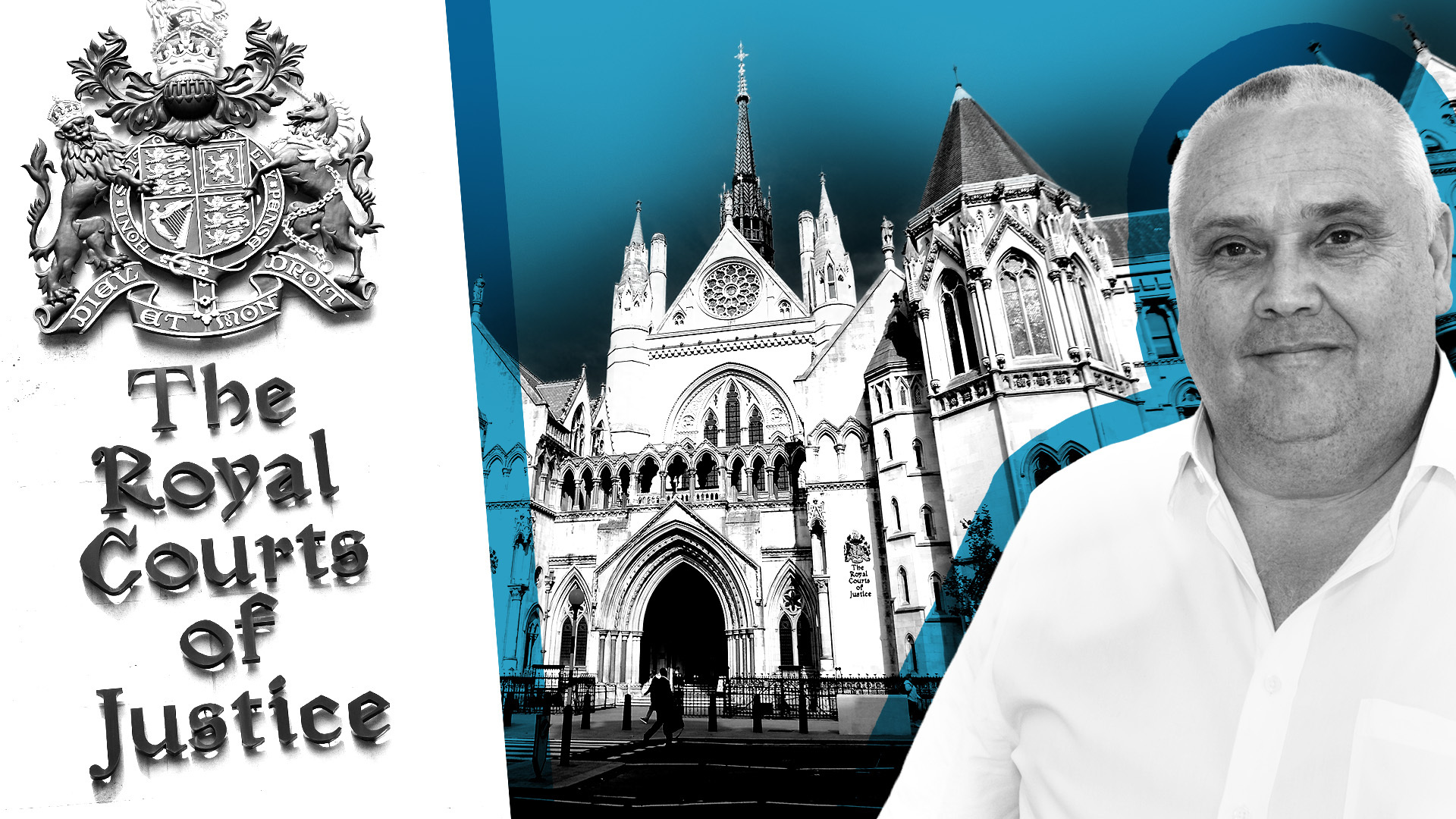
Peter Waddell, aged 59, was the founder and chief executive of the used‑car supermarket Big Motoring World. In early 2024 he was removed from the CEO post after the holding company Bluebell Cars accused him of gross misconduct. Waddell, who remains the majority shareholder, claimed the removal was a "planned coup" and that his dismissal was wrongful.
Key allegations and the judge’s findings
Gross misconduct confirmed
The High Court heard that Waddell had allegedly bullied staff, used inappropriate language and, on a number of occasions, made comments that were sexist or racist. Specific examples included ordering a colleague to bring a lemon‑meringue pie after a disagreement, telling a cleaner “I bet you’d like to suck my d**k” while reprimanding her for parking, and referring to female staff in a manner the judge described as having a "sexual element".
Mr Justice Marcus Smith concluded that several of these incidents amounted to gross misconduct. Consequently, the judge ruled that the summary dismissal was lawful and the claim for wrongful dismissal failed.
Unfair prejudice towards the holding company
While the dismissal itself was deemed justified, the court found that the process had been unfairly prejudicial to Waddell’s holding company, which owns the majority of Big Motoring World shares. The judge noted that the board pursued "a deliberate process to remove Mr Waddell as CEO come what may" and that there was no genuine attempt to reform his behaviour – the aim was simply to see him gone.
The role of the new chief executive
Laurence Vaughan subsequently took over as CEO on a £600,000 salary. Vaughan denied any involvement in a plot to oust Waddell, stating he could have secured any role he wanted and that staff turnover was a normal part of the business.
Details of the trial
The case was heard over seven weeks between 16 February and 1 April 2024 at the High Court in London. The approved judgment runs to 498 pages and was described by the judge as a comprehensive examination of the misconduct process, which he said had failed to follow proper grievance procedures.
Evidence presented showed that Waddell used nicknames as a means of control, referred to Hindus as “Hyundais”, and made a comment in a meeting about female staff’s menstrual cycles that the judge did not categorise as harassment. However, other remarks – such as telling a receptionist “that’s how I like my women – on their hands and knees” – were deemed bullying with a sexual element and justified dismissal.
Implications for the business and future steps
The judgment does not reinstate Waddell as chief executive, nor does it award damages or force Freshstream (a minority shareholder) to sell its stake. A further hearing will be required to decide the final remedy for Waddell’s holding company and to resolve outstanding issues, such as the return of certain company documents that Waddell was ordered to hand back.
Legal experts note that the case underscores the importance for used‑car businesses to have transparent misconduct procedures that respect employees with disabilities, as the court found the deadline given to Waddell – who has dyslexia – was not unreasonable but the overall process was conducted in "bad faith".
What this means for the wider industry
For other CEOs and directors in the automotive retail sector, the ruling highlights that gross misconduct – including sexist or racist language – can justify summary dismissal, even where the individual holds a controlling shareholding. It also serves as a reminder that boards must act fairly and cannot simply pursue a “remove‑him‑at‑all‑costs” strategy without risking findings of unfair prejudice.
Further information
Full details of the judgment and the parties’ statements can be found in the original coverage by Car Dealer Magazine and related links.