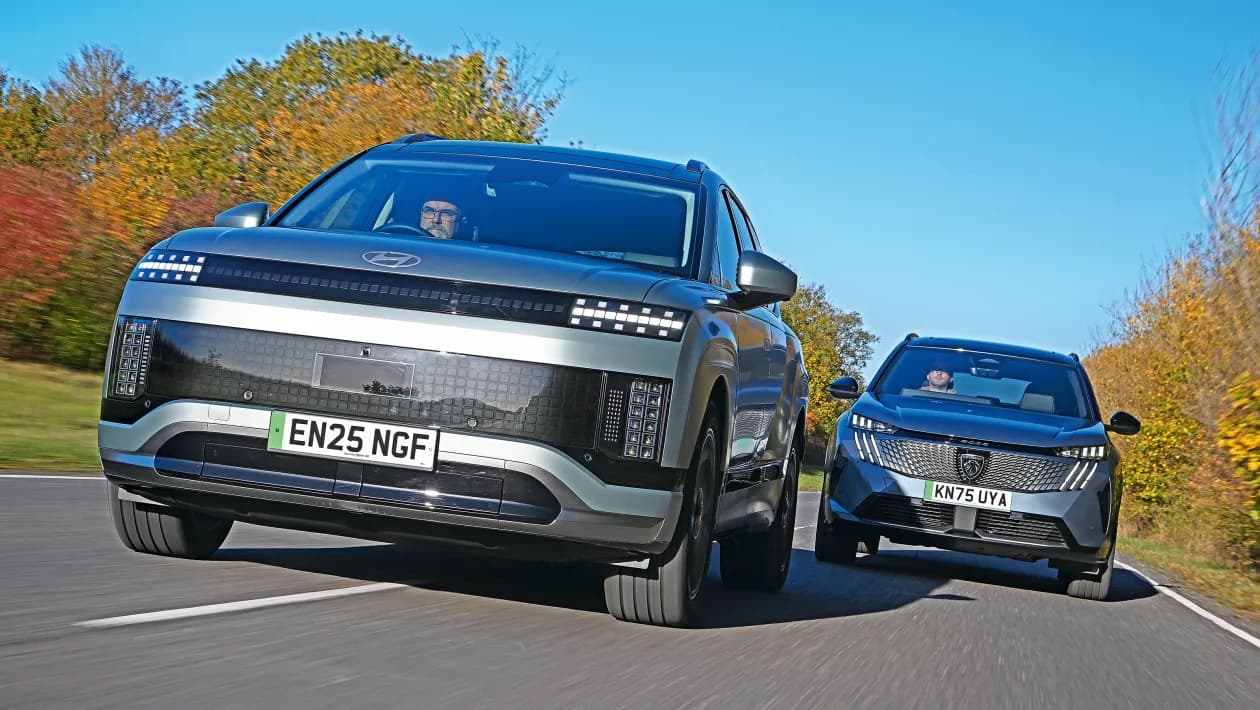
Hyundai Ioniq 9 vs Peugeot E-5008: Which is the Better 7-Seat Electric Car?
Comparing the Hyundai Ioniq 9 and Peugeot E-5008. We explore how these two seven-seat EVs offer different solutions for large families seeking an electric vehicle.
Hyundai Ioniq 9 vs Peugeot E-5008: The Battle for the Electric Family
The shift towards electric vehicles has brought a new wave of spacious, family-friendly models to market. Two standout contenders in the burgeoning seven-seat EV sector are the Hyundai Ioniq 9 and the Peugeot E-5008. While both cars aim to fulfil the same core purpose—providing zero-emissions transport for larger families—they represent distinctly different philosophies from their manufacturers.
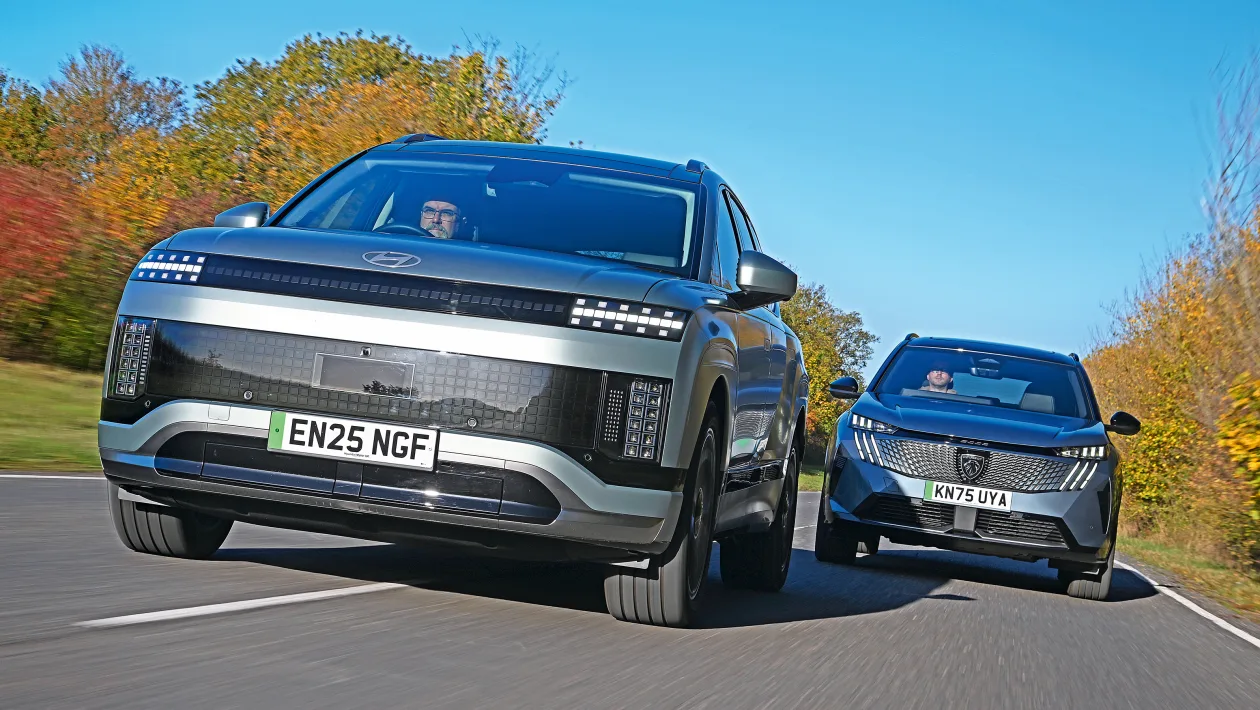
Choosing between these two electric SUVs is more than just comparing specifications; it's about choosing an approach to family mobility. Hyundai and Peugeot have taken their unique brand identities and translated them into electrified form, resulting in two vehicles that tackle the same challenge from contrasting angles. This comparison delves into what sets these two models apart.
Design Philosophies: A Study in Contrast
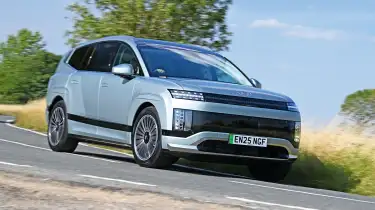
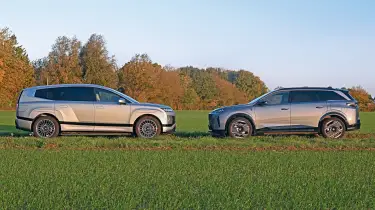
The design language of the Hyundai Ioniq 9 and Peugeot E-5008 immediately signals their differing characters. The Ioniq 9 is expected to build on the futuristic and parametric aesthetics established by its Ioniq 5 and Ioniq 6 siblings. This typically involves sharp lines, geometric shapes, and a confident, tech-forward presence on the road.
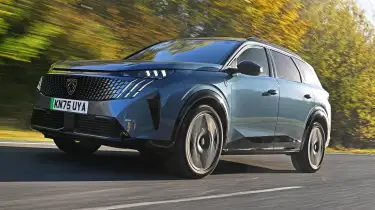
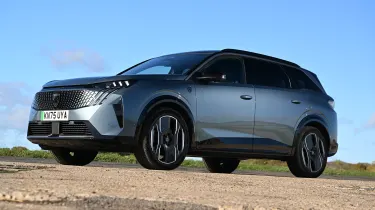
In contrast, the Peugeot E-5008 is likely to inherit the brand's distinctive 'feline' design cues. This often results in a more dynamic, sculpted appearance with Peugeot's signature claw-effect LED lights and a sleeker, more traditional SUV silhouette. The difference in approach is clear: Hyundai presents a vision of the future, while Peugeot refines a contemporary design with electric power.
Interior Space and Practicality
As seven-seaters, the interior layout and practicality are paramount. Both vehicles are designed to accommodate seven passengers, but the execution of the third row of seats and the overall cabin ambience will be key differentiators.
The Hyundai Ioniq 9 is anticipated to offer a highly versatile and tech-laden interior, potentially featuring a minimalist dashboard dominated by a large panoramic screen, similar to other models in the Ioniq range. The focus is likely to be on creating a spacious, airy feel with clever storage solutions.
The Peugeot E-5008 will counter with Peugeot's i-Cockpit, which includes a small, sporty steering wheel and a high-mounted instrument cluster. This design aims to create a driver-focused environment. The Peugeot is also expected to emphasise modularity, with seats that fold flat to create a large, practical load area when not carrying passengers.
Performance and Electric Range
While specific powertrain details for both models are still emerging, each brand's existing technology provides strong clues. Hyundai's E-GMP platform, which underpins its current EVs, is renowned for offering long range, ultra-fast charging capabilities, and powerful performance. The Ioniq 9 is likely to benefit from this advanced engineering, potentially offering a driving range that exceeds many competitors.
Peugeot will utilise the STLA Medium platform from Stellantis, which also underpins models like the Peugeot E-3008. This platform is efficient and capable, but may prioritise accessibility and value. The driving experience is expected to be comfortable and refined, prioritising everyday usability over outright sportiness.
Which Seven-Seat EV is Right For You?
The choice between the Hyundai Ioniq 9 and the Peugeot E-5008 ultimately comes down to personal preference and priorities. If you are drawn to cutting-edge technology, a bold design statement, and the potential for class-leading range, the Hyundai Ioniq 9 appears to be a compelling proposition.
Conversely, if you favour a more traditional yet stylish SUV design, a driver-centric cockpit, and a focus on practical, everyday family usability, the Peugeot E-5008 will be a strong candidate. Both vehicles highlight the increasing maturity of the electric car market, offering genuine, zero-emission alternatives for families who need seven seats without compromising on style or capability.