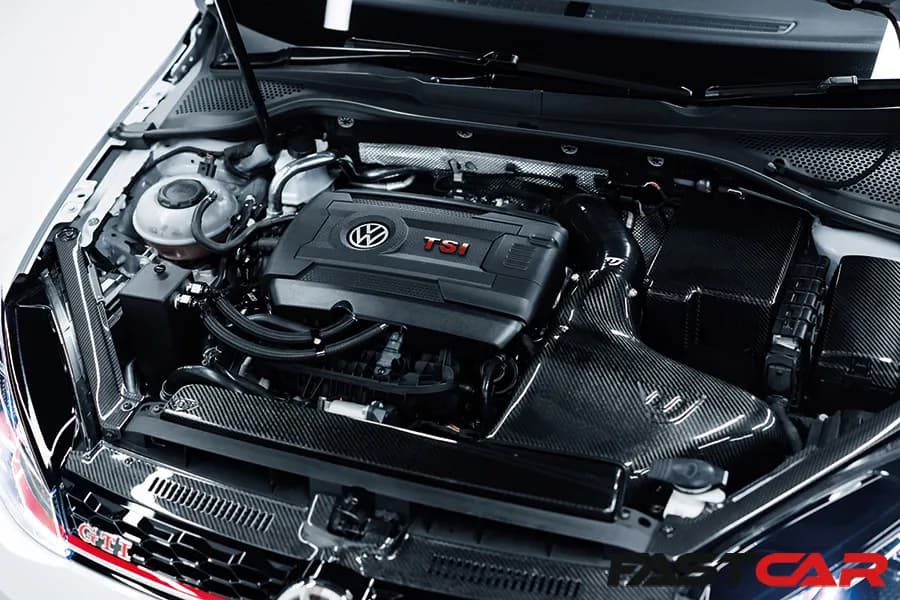
How To Tune a VW EA888 Engine: The Ultimate UK Tuning Guide
Learn how to tune Volkswagen's popular EA888 engine from Stage 1 remaps to 500+ horsepower builds. Our comprehensive guide covers everything UK tuners need to know.
Volkswagen's EA888 2.0T has become the engine of choice for UK tuning enthusiasts, offering remarkable potential for power gains. If you're wondering how to tune a VW EA888 engine successfully, this comprehensive guide will walk you through the entire process from basic remaps to extreme power builds.
Understanding the EA888 Engine: A Tuner's Dream
The EA888 engine platform was first introduced in 2007 and has powered numerous Volkswagen Group vehicles including the Golf GTI, Golf R, and various Cupra models. However, it's the third generation (Gen 3) that has captured the imagination of the UK tuning scene. Found in the Mk7 Golf GTI and Golf R, this engine represents a significant evolution from its predecessors.
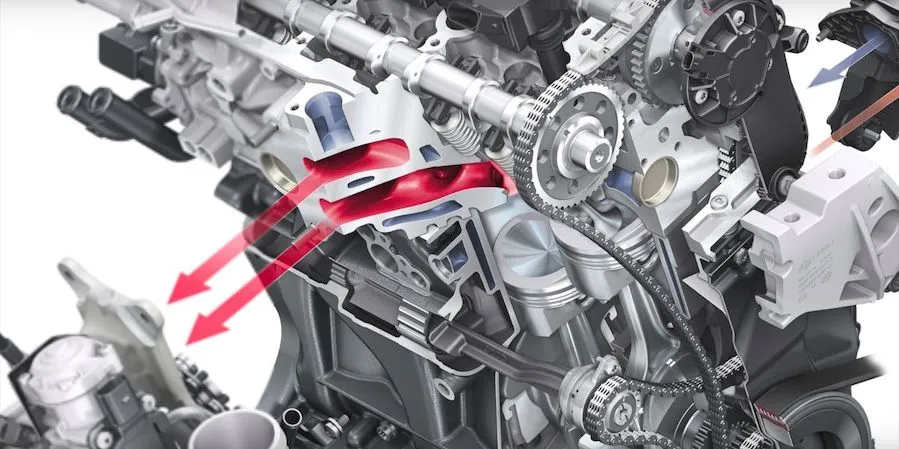
The Gen 3 EA888 features a thinner, lighter block than previous versions while delivering more power and better fuel efficiency. One of its key innovations is the integrated water-cooled exhaust manifold, which not only speeds up the engine's operating temperature but also helps maintain cooling under heavy load. This clever engineering means the engine doesn't require extra fuel to manage exhaust temperatures, contributing to its impressive fuel economy.
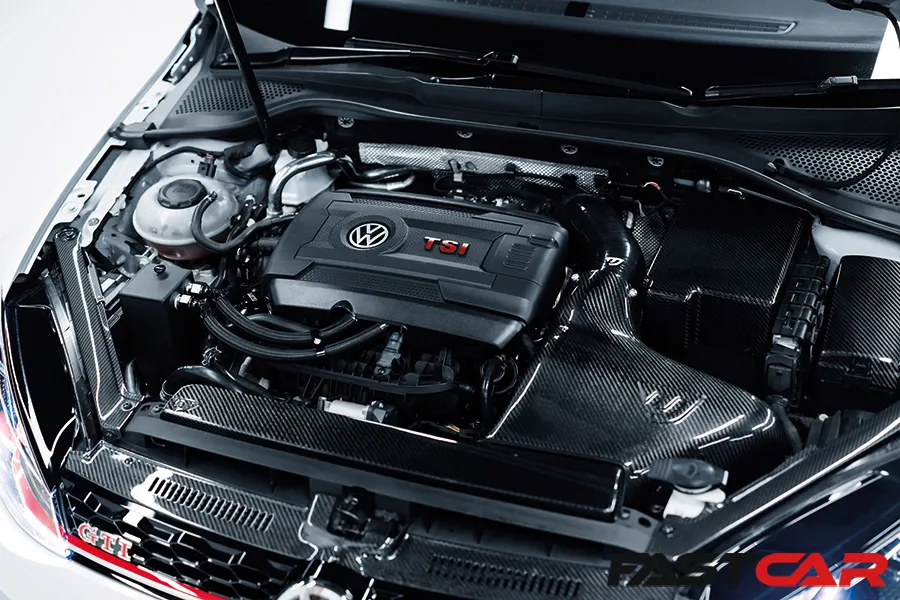
Stage 1 EA888 Tuning: Up to 90bhp Gains
Stage 1 tuning is where most UK enthusiasts begin their EA888 journey. This involves ECU remapping while keeping the factory hardware intact. It's the most cost-effective way to unlock significant performance, with gains of up to 90bhp achievable through software alone.
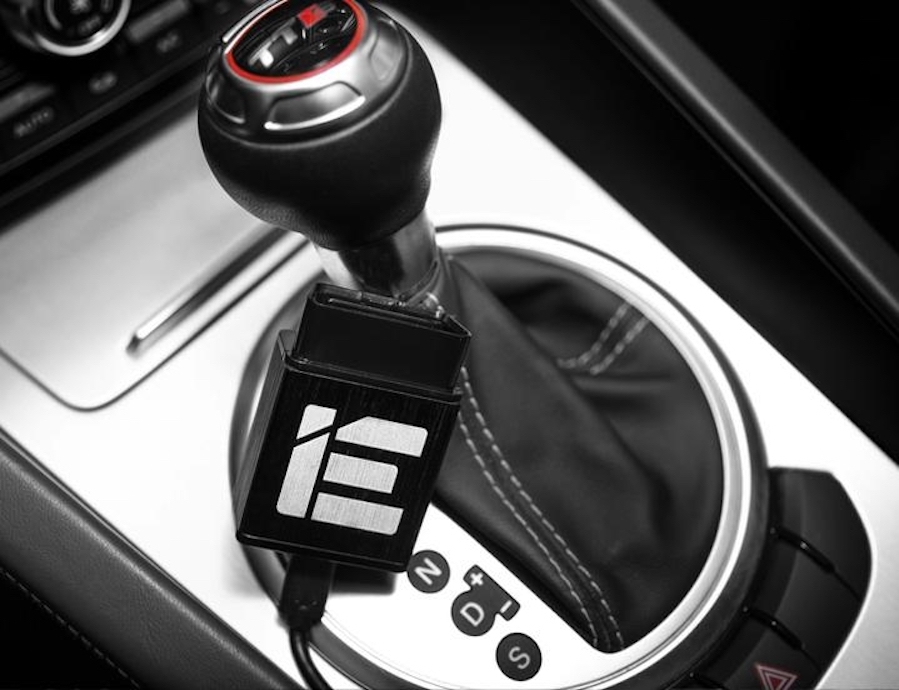
Several reputable tuning companies offer Stage 1 solutions for the EA888, including Unitronic, Revo, and HP Tuners. Some provide home-flashing options, while others offer custom maps tailored to your specific vehicle and any minor modifications. When selecting a tuner, consider your budget and performance goals, and speak to other enthusiasts about their experiences with different software providers.
TCU Remaps for DSG Gearboxes
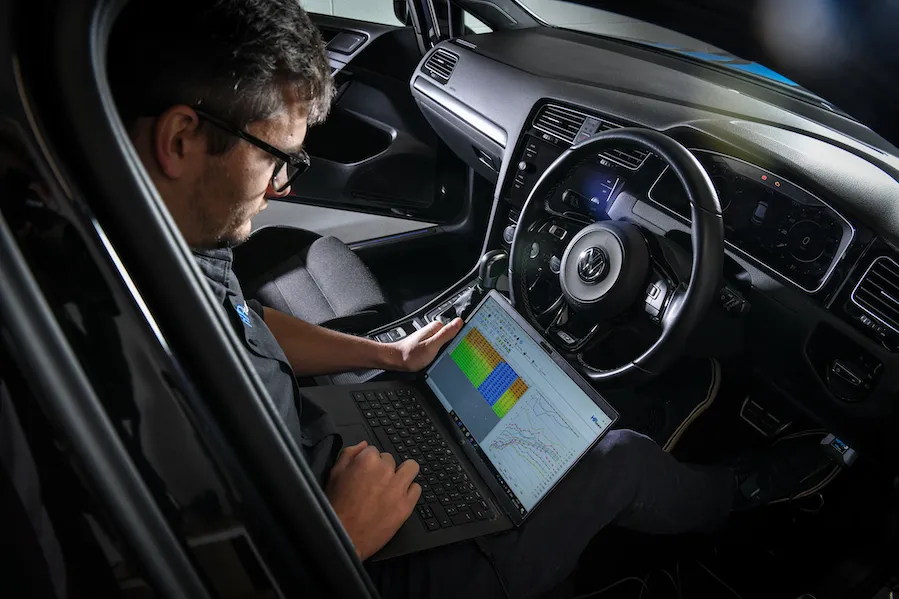
If your EA888-powered vehicle features a DSG gearbox, a Transmission Control Unit (TCU) remap is highly recommended alongside the ECU tune. This optimisation delivers faster gear changes, raised RPM shift points, and more aggressive launch control functionality – effectively how the car should have left the factory.
Initial Hardware Upgrades
Even at Stage 1, some enthusiasts begin adding supporting modifications. Companies like APR, Forge Motorsport, and Racing Line often recommend a cold air intake, turbo muffler delete, and inlet pipe as foundational upgrades. A cat-back exhaust from brands like Milltek or Jetex can also be added for improved sound and aesthetics without compromising emissions compliance.
GTI owners have the additional option of fitting the larger IS38 turbocharger from the Golf R, which bolts directly onto the Gen 3 EA888. With these basic upgrades and a quality remap, achieving 400hp on stock internals is both achievable and affordable.
Stage 2 Remap: Significant Power Increases
Stage 2 tuning takes the EA888 to the next level, with gains of up to 115hp for the Mk7 GTI and 150hp for the Mk7 R over stock figures. This stage requires more substantial hardware upgrades alongside the revised ECU mapping.
At this point, most reputable tuners will insist on fitting a high-pressure fuel pump (HPFP) to meet the increased fuel demands. Stage 2 maps typically require higher octane fuel, so ongoing running costs should be factored into your budget.
Essential Stage 2 Hardware
An uprated intercooler is crucial for Stage 2 builds, often doubling the size of the factory unit to significantly lower air intake temperatures and prevent power loss. Combined with cast downpipes and high-flow catalysts, these modifications allow the turbocharger to operate at its optimum level.
Hybrid Turbo Options
For those seeking even more performance without moving to a full Stage 3 build, hybrid turbochargers offer an excellent intermediate step. Garrett's 2260 PowerMax is a popular choice for Mk7 GTI and R models, fitting the stock location while featuring larger internals. With supporting modifications and potentially ethanol or water injection, power can exceed 480hp, pushing into Stage 2+ territory.
Stage 3: 500-600hp+ Territory
Stage 3 represents serious performance territory, typically involving a larger bolt-on turbocharger that may require remote mounting due to space constraints. At this level, uprated internals become essential for reliability.
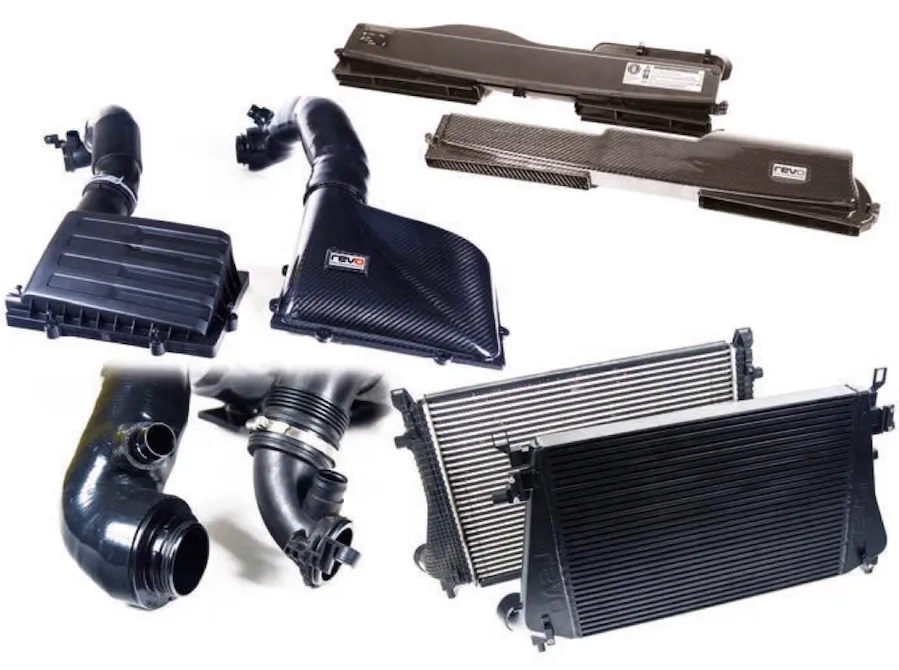
Companies like Revo offer complete Stage 3 turbo kits, while specialists like Turbozentrum and HG Motorsport provide individual components for more bespoke builds. The costs increase significantly at this stage, with machining and custom fabrication often required.
Uprated Internals
When exceeding 500hp, uprated connecting rods and pistons become mandatory. Integrated Engineering recommends H-beam rods for builds up to 600hp, with their Tuscan I-beam items suitable for applications up to 1000hp. Numerous manufacturers produce pistons specifically for the EA888, with most enthusiasts sticking to the stock 82.5mm bore unless cylinder machining is necessary.
Uprated valves and valve springs are also essential at Stage 3, as stock components weren't designed for the increased pressures. Companies like Supertech offer comprehensive valve train upgrades to ensure reliability at high power levels.
The Future: Gen 4 EA888 Tuning
The EA888 Gen 4 engine, introduced in the 2022 Mk8 Golf GTI and R, represents Volkswagen's most technologically advanced production engine to date. After initial delays, tuners gained ECU access in late 2022, and software and bolt-on options are now becoming available. While the full potential of this engine is still being explored, it's expected to continue the EA888's legacy as a tuner favourite.
Tuning Limitations and Considerations
The Gen 3 EA888's tuning potential is virtually limitless with the right components and expertise. The primary constraints are budget and intended use. It's worth noting that many Stage 2 and beyond components are sold for "off-road use only" due to potential emissions and noise regulation compliance issues.
With reputable parts, quality workmanship, and proper maintenance using high-quality synthetic oil, the EA888 can deliver extraordinary performance. From daily drivers to extreme builds like Dop Motorsport's 1800hp Lupo drag racer, this engine platform continues to prove its capabilities in the UK tuning scene.