How to Store Your Car For Winter: 5 Essential Steps to Protect Your Vehicle
Learn how to properly store your car for winter with our expert guide covering washing, fuel treatment, battery care, tyre protection and choosing the right car cover.
How to Store Your Car For Winter: 5 Essential Steps to Protect Your Vehicle
With summer car shows finished and darker evenings drawing in, many UK motorists face the annual ritual of putting their cherished vehicle into winter storage. Making the right preparations can mean the difference between emerging with a car that's ready for spring or one suffering from flat tyres, mouldy interiors and potential rust issues.
This comprehensive guide walks through five crucial winter car storage tips, demonstrated using a Mk3 Escort cabriolet as our example. From thorough cleaning and drying to managing fuel, batteries, tyres and covers, we provide a practical checklist for safely storing both classic and modern vehicles through the colder months.
Why Proper Winter Storage Matters for UK Motorists
For car owners in Britain, winter presents significant challenges for vehicle preservation. Road salt spreads corrosive compounds across bodywork, dampness penetrates vulnerable areas, and older metal components become particularly susceptible to deterioration. Whether you're safeguarding a classic car, a weekend project or simply a daily driver you want to protect from winter road treatments, following proper storage procedures prevents unpleasant surprises when warmer weather returns.
Winter Car Storage Tip 1: Thorough Washing, Decontamination and Drying
The foundation of successful winter storage begins with a meticulous exterior clean. Storing a vehicle with accumulated dirt, tree sap, bird droppings or road grime risks allowing these contaminants to etch into paintwork and soft-top materials over several months of inactivity.
Moisture and debris trapped within wheel arches can quietly attack metal components, particularly around body kits and trim pieces. Thoroughly cleaning these areas before storage prevents this destructive process from taking hold.

Selecting Appropriate Cleaning Equipment
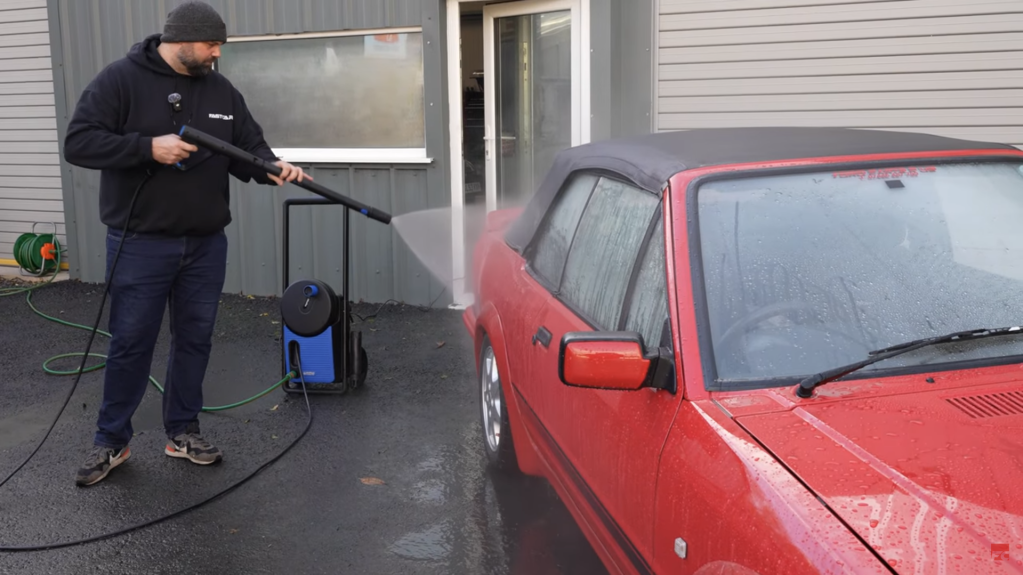
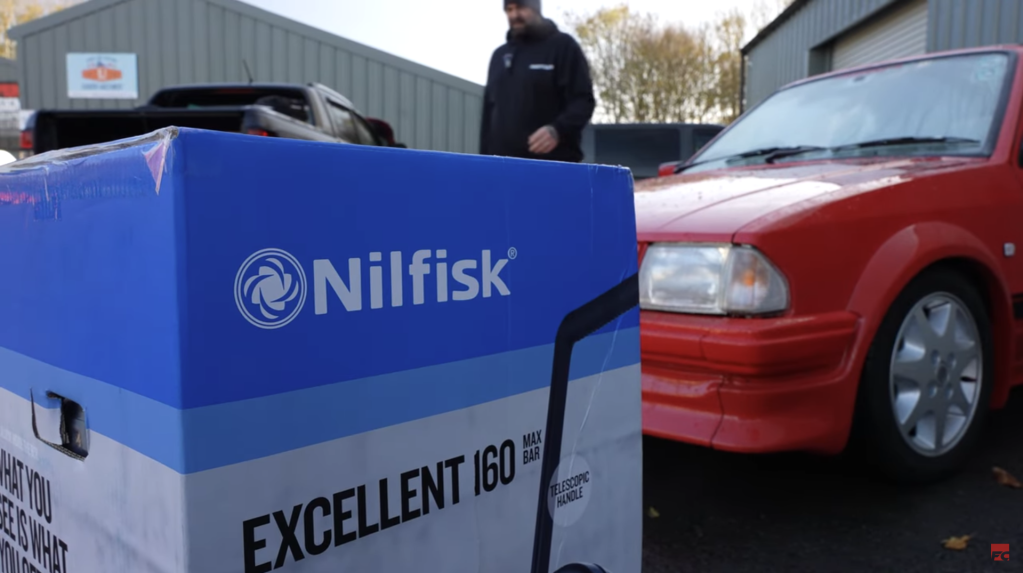
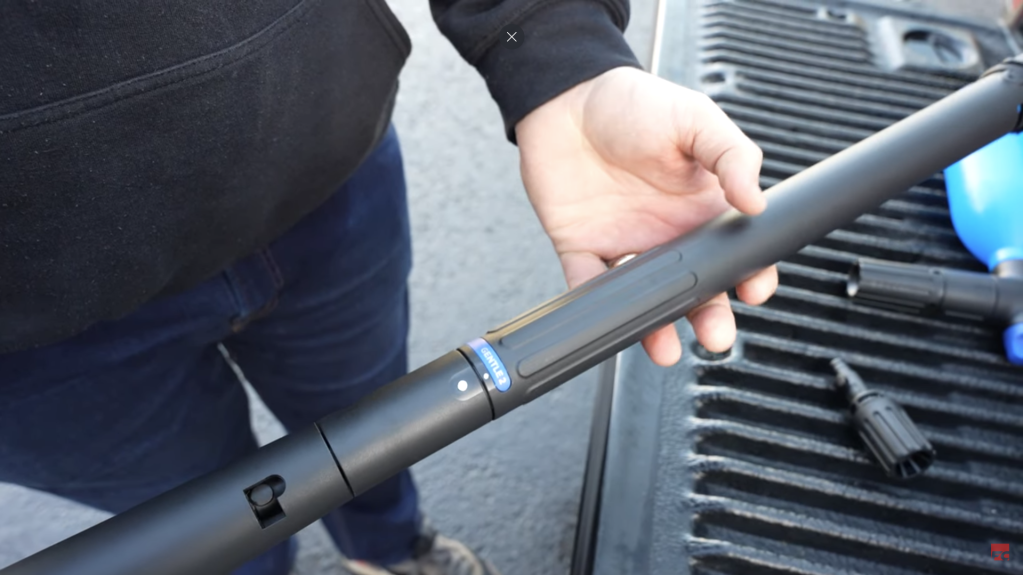
When dealing with delicate surfaces like soft-top roofs, choosing the right equipment is essential. Using a pressure washer with adjustable settings, such as the Nilfisk Excellent 160 with its three-in-one nozzle, allows switching between stronger jets for lower body sections and gentler patterns for more vulnerable areas.
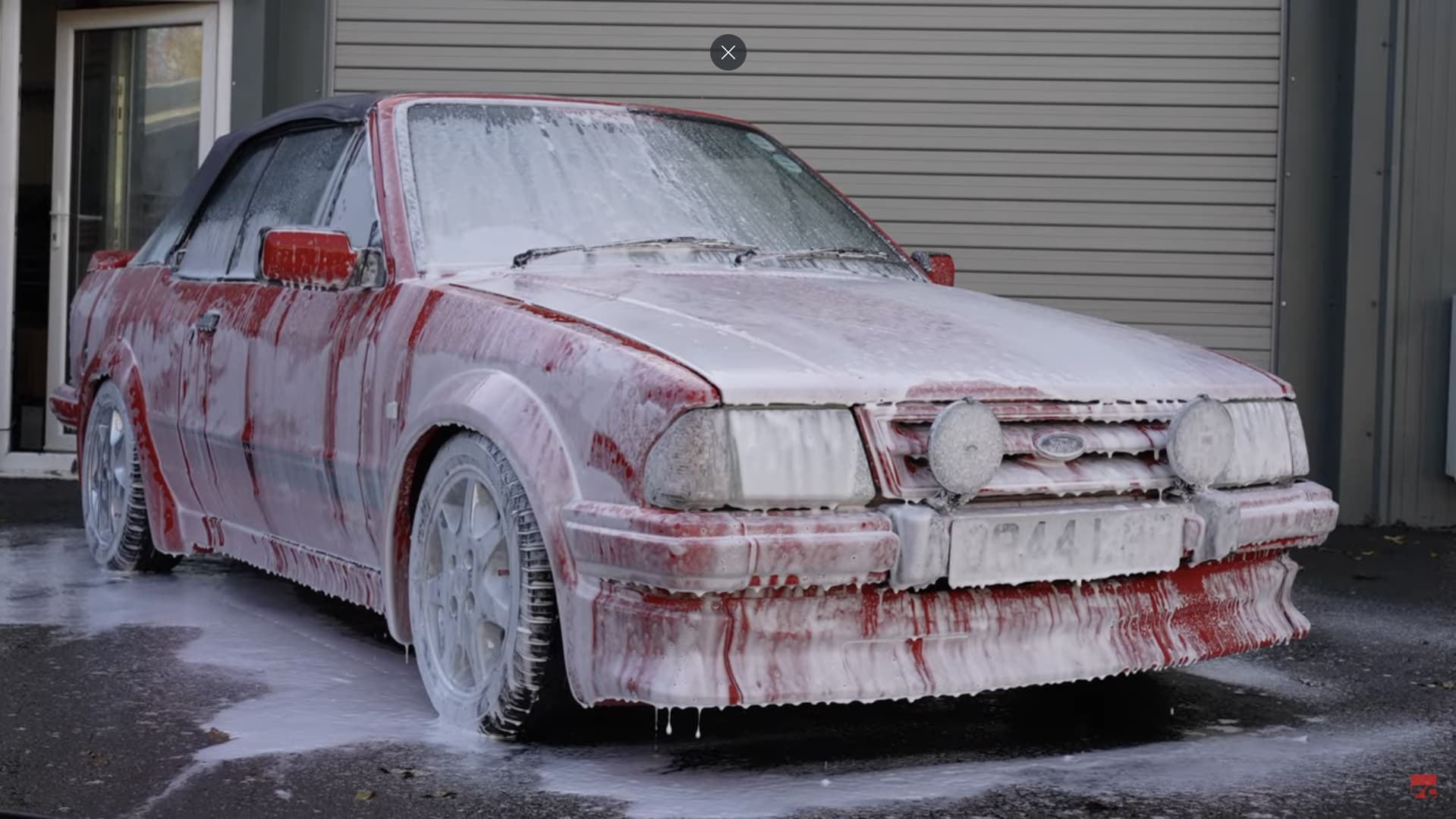
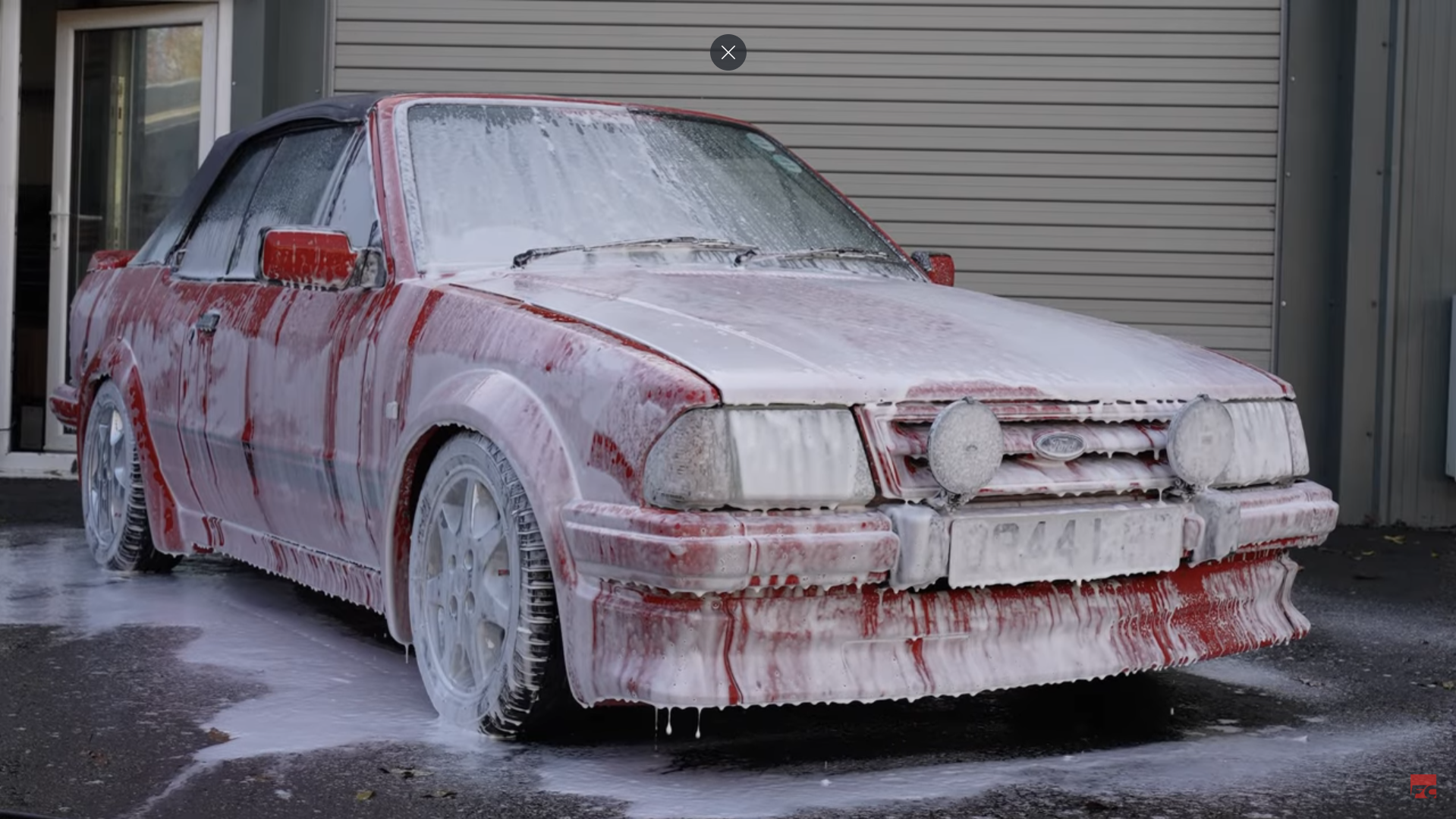
The process should begin with a snow foam pre-wash to loosen heavy contamination, followed by rinsing on a gentle setting before performing a contact wash with mitt and shampoo. The objective is complete contaminant removal without risking damage to the vehicle's surfaces.
Addressing Underbody and Wheel Arch Areas
Specialist attachments like Nilfisk's 90-degree underbody nozzle make cleaning difficult-to-reach areas significantly easier. This is particularly important for vehicles with wide arches or body kits where trapped moisture and salt could initiate rust formation during storage.
Maintaining Your Pressure Washer After Use
Proper equipment maintenance ensures your pressure washer remains ready for future use. After cleaning your vehicle, disconnect the water supply, purge remaining water from the system, briefly operate the machine to clear the hose, shake out components, and store everything in a dry, frost-free location.
Tip 2: Comprehensive Interior Cleaning and Drying
Once the exterior is pristine, attention turns to the cabin. While surface dust and minor debris might seem insignificant, dampness combined with organic material creates ideal conditions for mould growth and unpleasant odours. Food remnants can attract rodents, while moisture left in upholstery leads to musty smells and potential damage.
A thorough interior clean involves removing all personal items, wiping down surfaces, and vacuuming carpets and seats. Using a powerful wet/dry vacuum cleaner with an extended hose ensures effective cleaning even in confined spaces.
Eliminating Hidden Moisture
Many modern vacuum cleaners feature a blower function that can be invaluable for winter storage preparation. By reversing the airflow, you can direct air into concealed areas like soft-top mechanisms, door seals and boot spoiler gaps where moisture tends to accumulate. Achieving complete dryness before covering the vehicle is crucial for preventing mould.
Winter Car Storage Tip 3: Fuel Tank Management and Treatment
This step often surprises those new to vehicle storage. While it may seem counterintuitive, filling the fuel tank completely before extended storage is actually beneficial. A partially filled tank contains significant airspace where condensation can form, potentially leading to rust in metal fuel tanks and components.
The Benefits of a Full Tank
Completely filling the tank minimises the air volume above the fuel, reducing condensation formation and associated corrosion risks. For additional protection, consider adding a fuel stabiliser product, which helps prevent fuel deterioration during extended storage periods.
Tip 4: Battery Care During Winter Storage
Flat batteries represent one of the most common issues when retrieving vehicles from winter storage. Modern vehicles with sophisticated electronics continuously draw small amounts of power for security systems and control modules, gradually depleting the battery.
Option 1: Battery Disconnection
For older vehicles without complex electronic systems, simply disconnecting the battery terminals provides effective protection against discharge. This approach may result in losing radio presets or alarm settings but prevents complete battery drain.
Option 2: Smart Trickle Chargers
Modern vehicles benefit from connecting a smart trickle charger that maintains optimal battery voltage throughout the storage period. This prevents sulphation (a common cause of battery failure) and avoids the need to reprogram electronic systems when the vehicle returns to use.
Tip 5: Selecting and Using Appropriate Car Covers
Car covers require careful selection based on storage location. Indoor and outdoor covers serve different purposes, with indoor storage generally being preferable where possible. Avoid cheap, non-breathable covers that trap moisture against paintwork, instead opting for soft, properly fitting covers that provide protection without causing abrasion.
Correct installation ensures complete coverage while preventing movement that could rub contaminants against the vehicle's surfaces. A well-fitted, high-quality indoor cover acts as an effective dust barrier during storage.
Additional Winter Storage Considerations
Insurance and Legal Requirements
Inform your insurance provider that your vehicle will be in storage, as many companies offer reduced premiums for stationary vehicles. If the car won't be used on public roads, you should also submit a Statutory Off Road Notification (SORN) to the DVLA. Timing this before the first of the month can secure a full month's tax refund.
Lubricating Moving Components
Vehicles stored for extended periods can develop seized mechanisms. Applying light lubrication to door hinges, bonnet releases, boot catches and other moving parts prevents them from sticking. Consider using wheel chocks or leaving the car in gear rather than relying solely on the handbrake, which can seize when applied for long durations.
Tyre Preservation Strategies
Ideally, vehicles should be placed on axle stands or tyre savers to prevent flat-spotting. If this isn't practical, increasing tyre pressures slightly above normal levels helps reduce deformation during storage, remembering to readjust them before driving again.
Winter Car Storage Checklist
Based on our experience preparing the Mk3 Escort cabriolet, here's your essential winter storage checklist:
- Thoroughly wash and decontaminate the exterior, including wheel arches and underbody
- Completely dry the vehicle, paying attention to seals and hidden areas
- Clean and vacuum the interior, removing all moisture and debris
- Fill the fuel tank and consider adding stabiliser
- Disconnect the battery or connect a trickle charger
- Notify your insurer and submit SORN if applicable
- Lubricate hinges, catches and moving components
- Raise the vehicle or increase tyre pressures
- Fit an appropriate, well-sized indoor cover
Investing a few hours in proper winter storage preparation ensures your vehicle emerges in spring ready for the road, avoiding common issues like mould, flat batteries and fuel system problems.