How to Prepare Your Car for a Track Day – Essential Checklist for 2026
Wondering how to ready your car for a circuit? Follow our step‑by‑step track‑day prep guide and stay safe on the UK track.
Taking your car to a race circuit is an exhilarating way to test both driving skill and machine. Whether you are heading to a first‑time session at TRAX Silverstone on 16 August 2026 or joining a later Ford Fair event, proper preparation makes the difference between a confident lap and an unnecessary visit to the pits. Below is a comprehensive, fact‑based checklist that covers every subsystem that a track will stress.
Why preparation matters
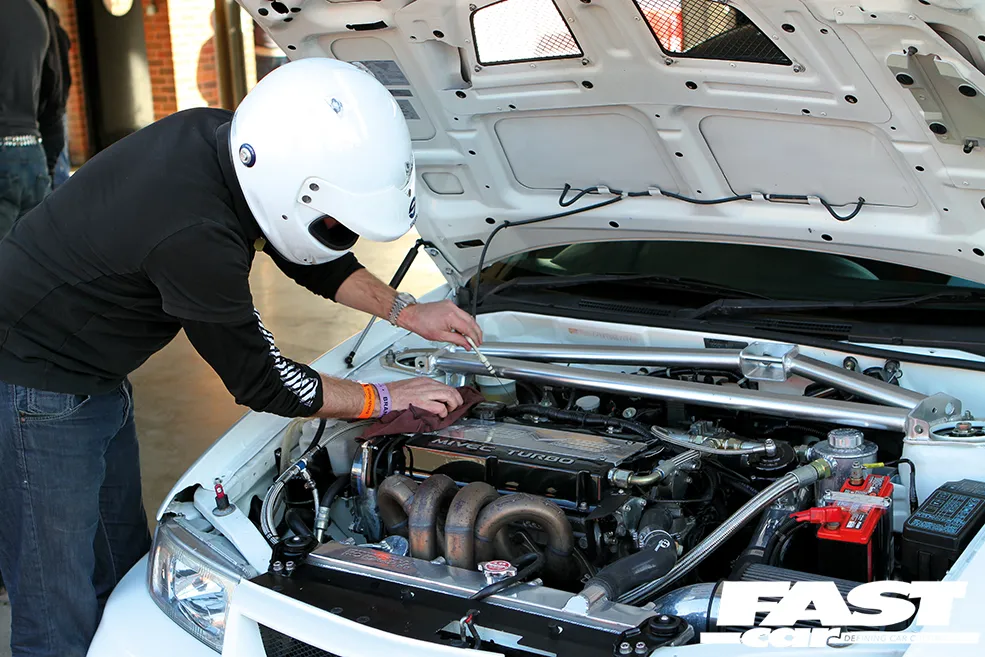
On a circuit every component – brakes, tyres, fluids and suspension – works harder and hotter than on public roads. The extra heat and load can reveal weak points that would otherwise remain hidden. By addressing these areas before you arrive, you improve safety, boost confidence and increase the chances of leaving the track with a grin.
Suspension – the foundation of handling
Upgrading springs and dampers
A basic set of quality lowering springs reduces body roll and lowers the centre of gravity, instantly sharpening turn‑in. Many enthusiasts progress to a combined spring‑and‑damper package or a full coil‑over system that allows ride‑height and damping adjustments. This flexibility lets you find the sweet spot between road comfort and circuit performance.
Bilstein options
The Bilstein B14 kit offers a solid step up from stock, delivering better body control and more stable braking. For regular track‑day attendees the adjustable B16 provides extra tuning freedom for varying circuits and driving styles.
Bushes, alignment and corner‑weighting
Factory rubber bushes are designed for comfort, not for the sustained lateral loads of a corner. Polyurethane replacements cut unwanted movement and improve tyre contact. Even the best suspension needs a correct geometry – a professional wheel alignment or a full corner‑weighting session can transform how the car behaves on the circuit.
Engine health checks
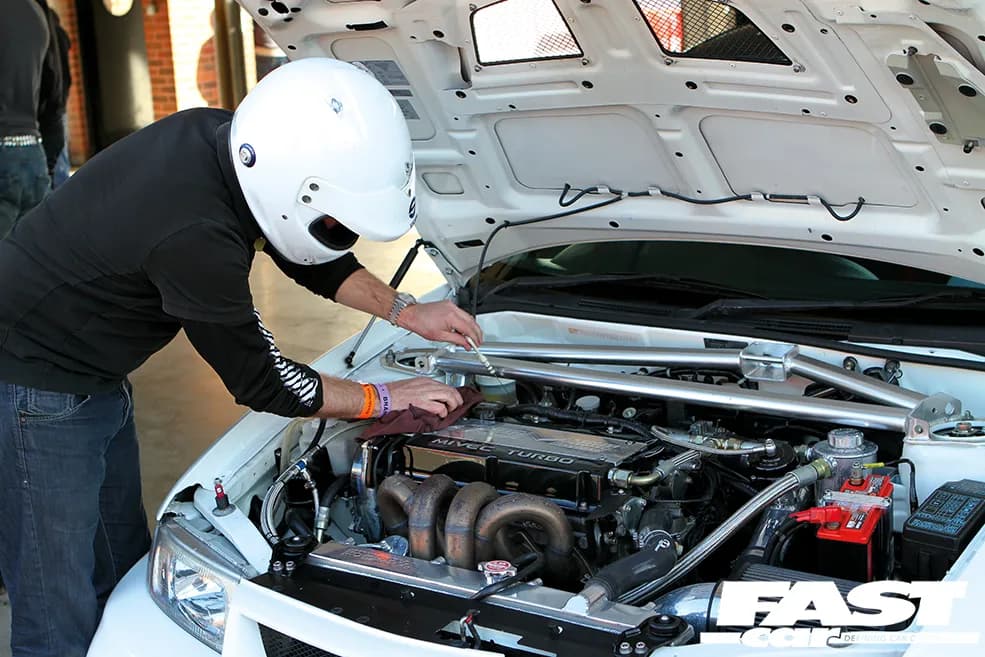
High revs, repeated acceleration and elevated temperatures place additional stress on the power unit. Before any performance upgrades, ensure the engine is in good shape:
- Change the oil and replace the filter.
- Inspect belts, hoses, coolant pipes and ignition components.
- Check spark plugs for wear – misfires are common on track.
- Maintain at least half a fuel tank to avoid fuel starvation during high‑g cornering; avoid over‑filling to prevent spills.
Occasional track users can stick with stock fuel tanks, while frequent drivers may consider baffled tanks or upgraded delivery systems for added reliability.
Keeping the car cool
Heat is the enemy of performance. Cooling systems must be in top condition because engine coolant, oil, gearbox oil, brake fluid and tyres all run hotter on a circuit.
Inspect radiators, hoses, fans and coolant quality, replacing any worn parts. If the factory system is sound, larger radiators, oil coolers, upgraded intercoolers and brake‑cooling ducts can provide extra margin. After each session, complete a cool‑down lap and allow the engine to idle briefly before powering down – this helps prevent warped discs and excessive brake wear.
Transmission reliability
Fresh, high‑quality gearbox and differential oils are essential because track driving generates far more heat than normal road use. The clutch should be in good condition; a slipping clutch on the road will rarely survive a full day on the circuit. Upgraded clutches are advisable for cars with significantly increased power.
Short‑shifter kits improve gear change speed and driver engagement, while a limited‑slip differential (LSD) enhances traction on corner exit, often shaving seconds off lap times.
Braking performance
Brakes determine how late you can brake before a corner. Standard pads and fluid may suffice for daily driving but can fade quickly after a few hard laps.
- Upgrade to performance brake pads and high‑temperature brake fluid.
- Consider braided steel lines for a firmer pedal feel.
- Larger discs and upgraded calipers improve heat dissipation and overall stopping power.
Before each track day, check pad thickness, disc condition and fluid levels – a quick inspection can prevent a day‑ending issue.
Wheels and tyres
Tyres are the only contact patch with the track, making them critical. Even if you keep road tyres, ensure they have adequate tread depth and are free from damage.
Because tyre pressure rises with heat, many drivers set a slightly lower cold pressure and monitor it throughout the day. Dedicated track wheels paired with semi‑slick or performance tyres provide the best grip, but they also demand a capable suspension to maintain consistent contact.
Lightweight wheels reduce unsprung mass, benefiting braking, acceleration and steering response.
Exterior aerodynamics
Aerodynamic aids such as front splitters, rear spoilers and diffusers help manage airflow, increasing downforce and high‑speed stability. While not essential for a one‑off session, they become worthwhile as your track mileage grows.
Interior – weight reduction and safety
Remove loose items – spare wheels, tools, shopping bags – before heading to the circuit. This reduces weight and eliminates hazards during hard braking or cornering.
Enthusiasts who attend regularly may opt to strip rear seats, install lightweight bucket seats and secure harnesses, improving both weight distribution and driver confidence.
Selecting the right track day
UK circuits run events throughout the year. When choosing a date, consider:
- Noise limits: After‑market exhausts must meet static and drive‑by requirements.
- Session format: Group‑based sessions are ideal for beginners; open‑pit‑lane formats offer more track time but can be intimidating.
- Driver instruction: A short coaching stint can quickly refine techniques and correct bad habits.
What to expect on‑track
Each day begins with a safety briefing covering circuit rules, flag signals and overtaking etiquette. Early laps should focus on learning the layout; smooth steering, consistent braking points and deliberate throttle inputs produce faster laps than aggressive driving.
After each stint, complete a cool‑down lap and perform a quick visual check – tyre pressures, fluid levels and brake condition. The smoothest drivers are usually the quickest.
Upcoming events at Silverstone
TRAX returns to Silverstone on 16 August 2026, offering Track Time for £40. The event is supported by Bilstein, helping attendees fine‑tune their suspension. A week later, the Ford Fair on 23 August 2026 provides a similar experience for Ford owners, backed by Ford Accident Management for peace of mind.
Book your place, run through the checklist above and enjoy a safe, rewarding day on the National Circuit.