How to Avoid Car Cloning Scams: Expert Advice Following Shocking Stolen Car Case
Car Dealer's James Baggott warns used car buyers about vehicle cloning scams on BBC Morning Live, following a case of a man buying back his own stolen car.
The Shocking Case That Exposed Car Cloning Risks
Car Dealer founder James Baggott has appeared on BBC Morning Live to alert used car buyers to the increasing danger of vehicle cloning. The warning came after a remarkable case where a man inadvertently purchased his own stolen car, highlighting a sophisticated scam that could affect anyone buying a used vehicle in the UK.
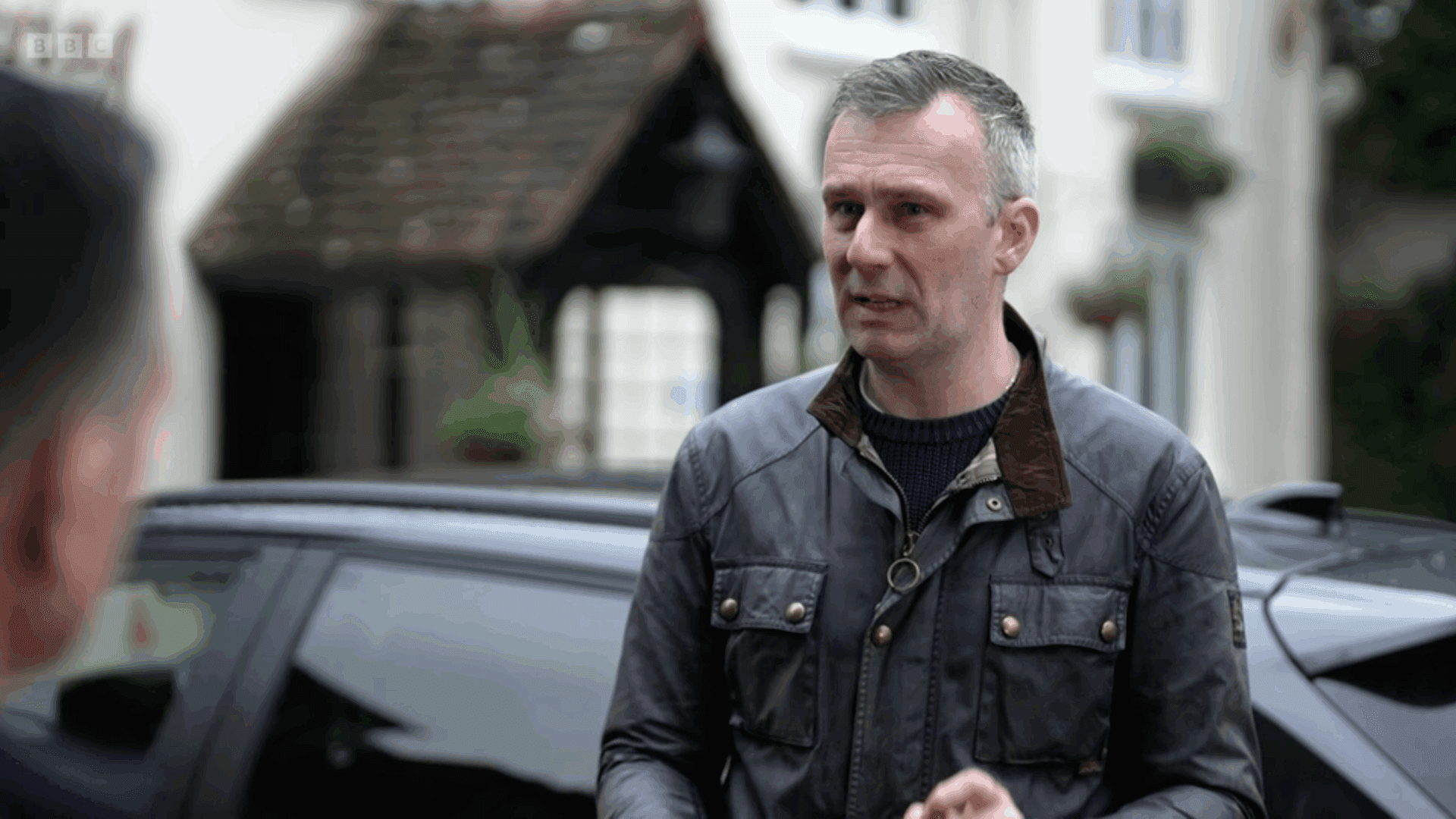
The consumer programme, which aired on BBC One on 5th February, featured the story of 36-year-old Ewan Valentine. His Honda Civic Type R, which he described as his 'midlife crisis' car, was stolen from outside his home in February last year.
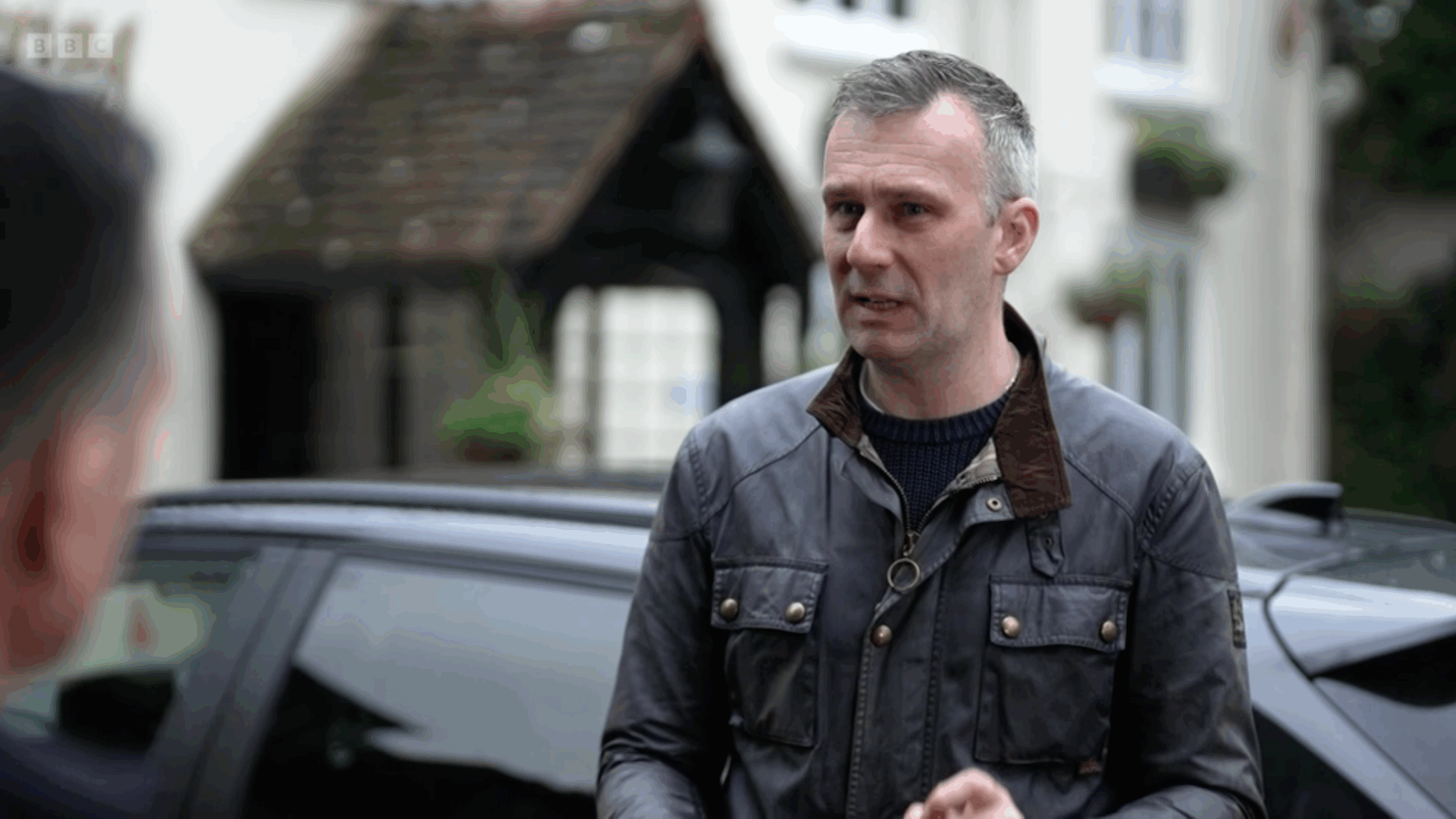
CCTV footage showed thieves driving the car away overnight, leaving Valentine devastated. 'It was a real sinking feeling – it was quite heartbreaking,' he told presenter and former detective Rav Wilding. He explained that he relied on the vehicle to visit his parents, including his father who has a terminal diagnosis.
The Unbelievable Discovery
After reporting the theft and making an insurance claim, Valentine began searching for a replacement. He soon found what appeared to be an identical Type R – same model, colour and specification – at a garage. 'It was uncannily familiar – my brain was saying that there was no way that this could be my car. I went through with the purchase,' he explained.
It was only after returning home that doubts began to surface. Scratches matched damage he remembered causing himself, 'Christmas tree pine needles' were still embedded in the carpet, and even a single tent peg from a previous festival trip remained lodged under a seat.
Further investigation revealed that despite VIN plates being tampered with, the car's original Vehicle Identification Number was still stored in the infotainment system. This proved it was indeed his stolen vehicle, but now with a completely new identity.
How Car Cloning Works and How to Protect Yourself
This case exposed how criminal gangs clone vehicles by removing original registration plates and VINs, replacing them with details from written-off or unroadworthy cars. Appearing on the programme, James Baggott provided crucial advice for used car buyers concerned about falling victim to similar scams.
'First thing you need to look at is the paperwork,' Baggott advised. 'Check the V5 logbook. If it looks like it's been photocopied, you need to be worried.' He stressed the importance of checking VIN numbers in multiple locations around the vehicle.
'They're printed in a number of places on vehicles – underneath the windscreen, in the door jam, and other places in the car. You need to check them against official records,' he said. 'If any of the numbers have been ground-down or there are strange marks, these are tell-tale signs that this vehicle may have been tampered with and something dodgy may have been happening.'
Where to Buy Safely and What Checks to Make
Baggott strongly advised buyers to reduce risk by purchasing from reputable dealers. 'If I were buying a used car, I would always buy from a recognised dealer,' he said, recommending thorough checks of online reviews and credentials.
For private purchases, he warned that consumer protection is 'far, far more reduced'. He added: 'It's worth the £20 or £30 investment in a car history check, and if it feels dodgy, walk away.'
The programme also highlighted various theft prevention measures that owners can consider, including steering wheel locks, motion sensors, CCTV systems and GPS trackers.
You can watch the full segment on BBC iPlayer – it starts at 07:02