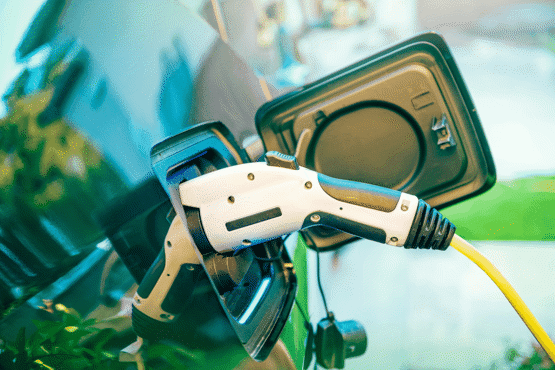
How Did the 2025 EV Shift Reshape UK Car Pricing and Dealer Margins?
The UK's accelerated transition to electric vehicles in 2025 increased pricing pressure and pre-registrations, significantly impacting dealer stock and profitability.
The Electric Acceleration of 2025
The UK's automotive landscape underwent a significant transformation in 2025 as the shift towards electric vehicles (EVs) markedly accelerated. This rapid change was not merely a story of changing consumer preferences, but one that fundamentally altered the operational realities for car dealerships across the country. The increased adoption of electric models brought with it a new set of market dynamics, creating a challenging environment where established business models were put to the test.
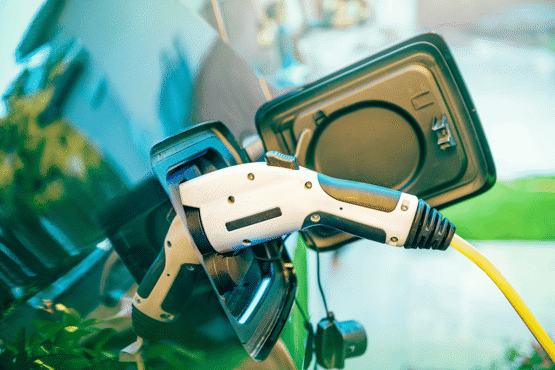
Mounting Pressure on Pricing
A direct consequence of the accelerated EV uptake was increased pricing pressure within the market. As more manufacturers competed for a share of the growing electric segment, competition intensified. This heightened rivalry, combined with the evolving technology and production scales, placed downward pressure on the retail prices of new electric vehicles. For dealers, this meant navigating a market where the value proposition was in constant flux, requiring more agile and strategic pricing approaches to remain competitive.
The Rise of Pre-registration Activity
Closely linked to the pricing challenges was a noted increase in pre-registration activity. Pre-registration, where dealers register vehicles to themselves to meet sales targets before selling them on as nearly-new cars, became a more common tactic. This practice was often a response to the pressure from manufacturers to hit specific EV sales volumes. While it helped manufacturers report stronger registration figures, it could lead to an influx of barely-used electric cars on the market, which in turn further complicated new car pricing and residual values.
Reshaping Dealer Stock and Profitability
Perhaps the most profound impact was the reshaping of dealer stock profiles and their associated profit margins. The transition required dealers to manage a rapidly changing inventory, balancing declining demand for internal combustion engine (ICE) vehicles with the growing, but still evolving, demand for EVs. This stock mix transition posed significant financial challenges. Margins were squeezed as dealers invested in new charging infrastructure, specialist training for staff, and marketed unfamiliar technology, all while managing the depreciation of their traditional ICE stock. The year 2025 proved to be a pivotal period where adapting to this new electric reality was essential for long-term viability.