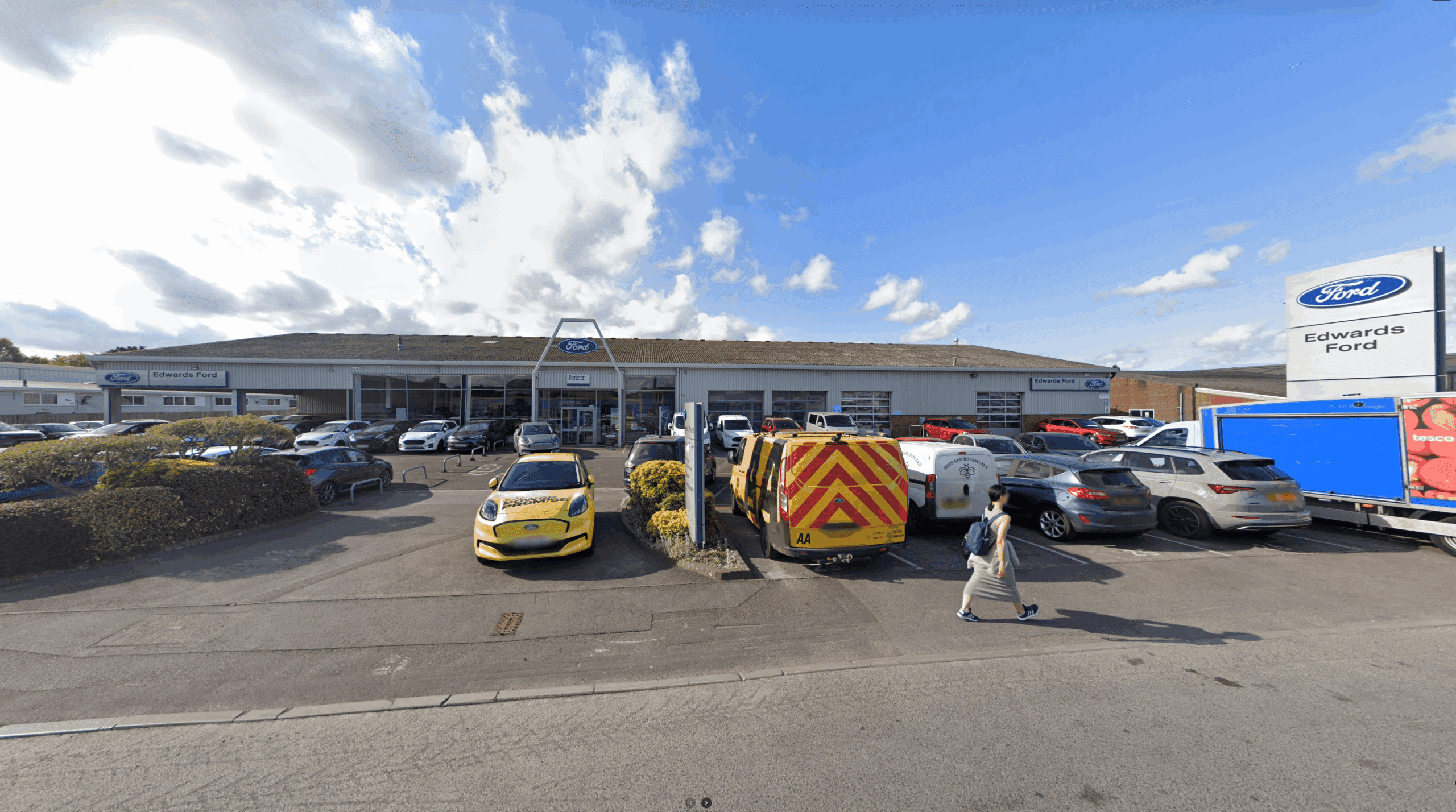
How Did Employee Ownership Impact Foray Motor Group’s 2025 Profitability?
Foray Motor Group’s 2025 profits fell 43% after an employee‑ownership sale – see the impact on turnover, assets and Ford EV sales.
Background: An Employee Ownership Trust Takes Control
Specialist Ford dealer Foray Motor Group, based in Wiltshire, completed a transfer of ownership to an Employee Ownership Trust (EOT) in November 2025. The transaction included the sale of the company’s freehold property to a shareholder and was presented as a way to secure future succession and enable growth under employee stewardship.
Financial Snapshot – Profit and Turnover Decline
The first set of audited accounts released after the EOT takeover reveals a sharp contraction in both profit and revenue. Foray Holdings Limited – the group’s parent company – recorded a pre‑tax profit of £843,235 for 2025, a fall of almost 43 % compared with the £1.47 million earned the previous year.
Turnover also dropped by more than 10 % to £949,297. The operating arm, Foray Motor Group Limited, saw its return on sales plunge to 0.08 % from 0.63 % the year before, indicating slimmer margins across the business.
Asset Reduction Linked to the EOT Deal
Net assets at year‑end were reported at £0.7 million, a steep decline from £10.8 million in 2024. The reduction stems from transactions directly related to the transfer of the business to the employee trust, including the settlement of inter‑company debt and the property sale.
Operational Changes and Market Pressures
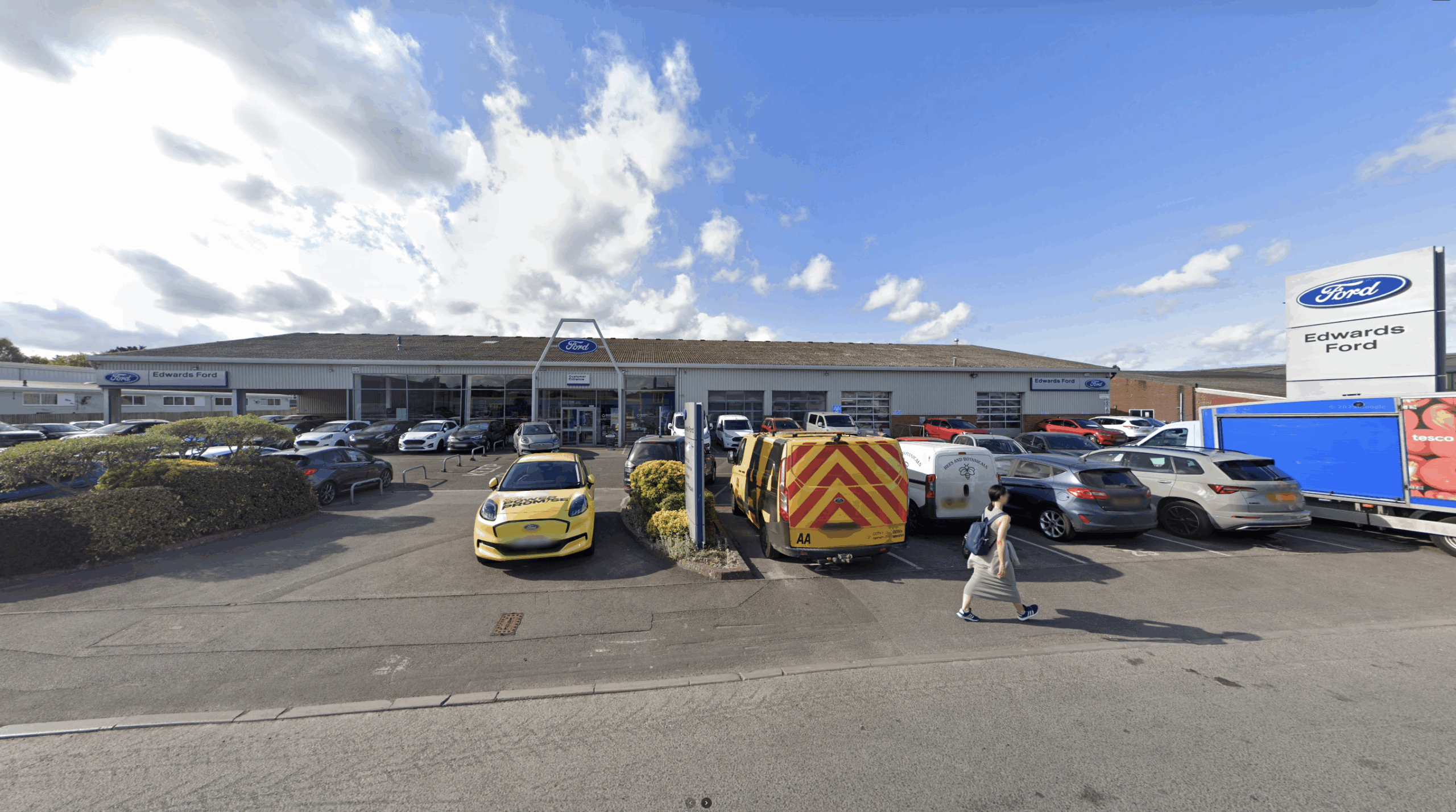
Foray, which also trades under the Edwards Ford name, faced a narrowed new‑car lineup from Ford during 2025. The impact was mitigated by a stronger electric‑vehicle (EV) offering and the UK Government’s Electric Car Grant, which provided additional incentive for buyers.
The dealer highlighted modest growth in the limited new passenger‑car range, driven primarily by rising adoption of battery‑electric vehicles (BEVs). Notably, the launch of the Ford Puma Gen‑E qualified for the higher‑rate grant of £3,750, boosting its appeal.

Commercial Fleet and Used‑Vehicle Segments
New commercial‑vehicle fleet volumes improved significantly thanks to new fleet customers and better stock availability, although the uplift placed pressure on margins. By contrast, the used‑vehicle market remained challenging, reflected in weaker sales volumes. The group responded by ceasing used commercial‑vehicle sales at its Southampton site, refocusing that location on after‑sales services.
Accident‑repair work also saw a downturn due to fewer insurance referrals, but disciplined expense control kept the department profitable.
Cost Structure and Director Remuneration
Employee‑related costs rose to £14.97 million from £14.23 million the year before, even though the average headcount fell from 399 to 390 staff. Director remuneration increased to £1.27 million from £1.07 million, with the highest‑paid director receiving £395,927 – a slight reduction on the prior figure.
The holding company paid interim dividends of £1.65 million to ordinary shareholders during the year, but directors did not recommend a final dividend.
Management Commentary
Director Simon Moulton described the transition to an EOT as the primary driver behind the reduced profit, citing the costs of the property sale and debt settlement. He also noted that the expanding BEV range and stronger fleet activity offered a positive outlook despite the short‑term financial headwinds.
Overall, the 2025 accounts illustrate the financial adjustments that can accompany a shift to employee ownership, while also highlighting how an enhanced electric‑vehicle portfolio can begin to offset market constraints.