How can small businesses streamline vehicle fuel expenses?
Discover practical ways for small business fleets to cut fuel spend using data, clear policies and simple controls – no extra admin required.
Introduction
Rising running costs are putting increasing pressure on small‑business fleets across the UK. When fuel makes up a significant proportion of the total operating budget, every pound saved directly improves profitability. The challenge is not simply to chase the cheapest pump price but to understand exactly where each penny is spent and to put practical controls in place.
Why fuel‑cost management matters for SMEs
For many small enterprises, a vehicle fleet is essential for delivering goods, visiting clients or providing on‑site services. Unlike larger organisations, SMEs often lack dedicated finance teams or sophisticated telematics platforms, meaning that inefficiencies can quickly become costly. By focusing on fuel spend, owners can free cash that can be redirected into growth activities such as hiring staff, expanding inventory or investing in newer, more efficient vehicles.
Key steps to streamline fuel expenses
1. Track every litre with fuel cards or mobile apps
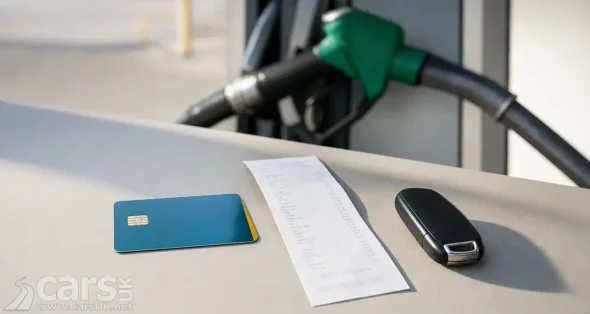
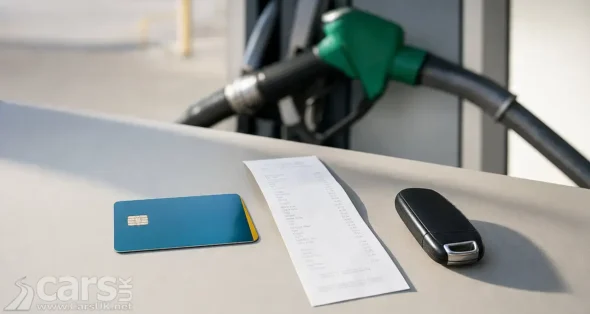
Adopting a fuel card or a simple mileage‑tracking app gives immediate visibility into each purchase. These tools record the date, time, location and amount of fuel taken, creating a digital paper trail that replaces manual receipts. The resulting data set is the foundation for any further analysis.
2. Set clear fuel policies
Establishing written guidelines – for example, approved fuel grades, limits on fuel‑only purchases, and restrictions on private use – ensures that drivers understand expectations. When policies are communicated clearly, misuse drops and the fleet manager can focus on genuine business mileage.
3. Use data analytics to spot trends
With transaction data in hand, simple spreadsheet calculations or built‑in reporting tools can highlight spikes in consumption, out‑of‑area purchases or drivers who regularly exceed set limits. Identifying these patterns early enables swift corrective action, such as briefing a driver or adjusting route planning.
4. Review supplier agreements regularly
Fuel prices fluctuate, and discount arrangements with local forecourts can change over time. By reviewing contracts at least annually, small businesses can renegotiate better rates or switch to more competitive providers without disrupting daily operations.
Benefits of a data‑driven approach
When fuel spend is monitored in real time, the business gains three tangible benefits: (1) a clearer picture of total fleet cost, (2) the ability to benchmark performance against industry averages, and (3) confidence that any savings are genuine rather than the result of missed receipts or inaccurate mileage logs. These advantages translate into lower overheads and a stronger bottom line.
Implementing without extra admin
One common worry is that tighter controls will add to administrative workload. In practice, modern fuel‑card programmes and mobile tracking apps automate most record‑keeping, meaning that the only additional step for the manager is a brief monthly review of the automatically generated reports. This light‑touch approach delivers insight without the need for a dedicated admin team.
Conclusion
Small businesses do not need to overhaul their entire fleet management system to achieve meaningful fuel savings. By using existing data, setting straightforward policies and reviewing supplier terms on a regular basis, they can streamline fuel expenses, protect profit margins and keep administration at a manageable level.