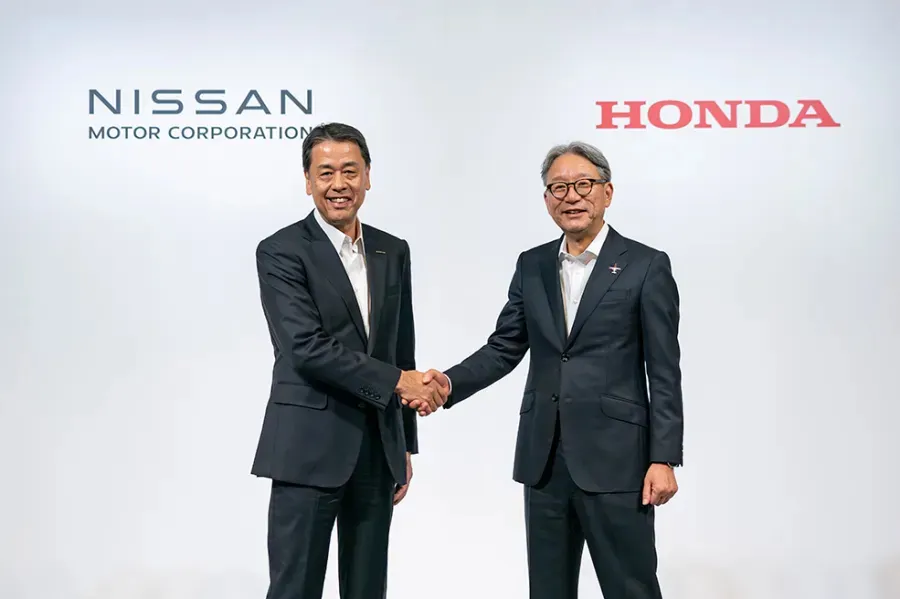
Honda and Nissan Merger Talks: What Does It Mean for the UK Car Market?
Analysis of the potential Honda-Nissan merger, its impact on EV strategy, and why Nissan's struggles are driving the talks. Will a Japanese automotive giant emerge?
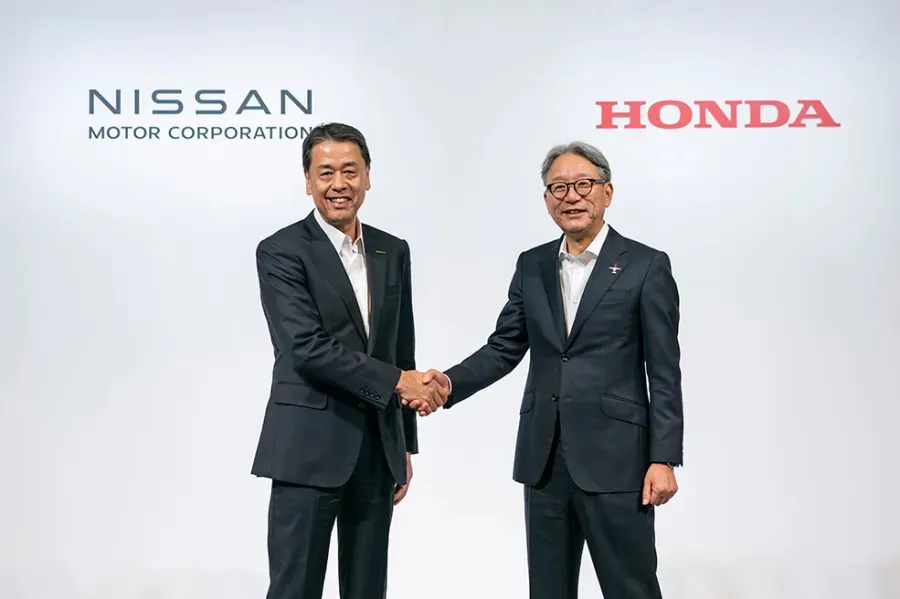
The automotive world is abuzz with the surprising news that Japanese giants Honda and Nissan are in discussions over a potential merger. This comes as Nissan faces significant challenges with its transition to electric vehicles, while Honda has maintained a stronger market position with a more measured approach. The outcome of these talks could reshape the future of two of Japan's most storied car manufacturers.
The Driving Forces Behind the Merger Talks
Nissan's journey into the electric vehicle era has been fraught with difficulty. While the Nissan Leaf was once hailed as a pioneer, its technology is now perceived as outdated compared to newer entrants in the EV market. The company's latest offering, the Ariya, has failed to become the game-changer Nissan had hoped for, with sales not meeting expectations. This has left Nissan in a precarious financial position, and a merger with Honda is seen as a potential lifeline.
In contrast, Honda has navigated the market shift more steadily. By maintaining a broader portfolio that includes combustion-engine vehicles, hybrids, and a strong presence in sectors like hot hatches, Honda has sustained a relatively robust market position. The question many industry observers are asking is: what does Honda stand to gain from such a union? Honda's own CEO, Toshiro Mibe, echoed this sentiment, reportedly remarking, "That's a difficult one," when questioned about the benefits for his company.
The Bigger Picture: A United Japanese Front
Beyond the immediate corporate dynamics, a merger is being encouraged by Japan's Ministry of Economy, Trade and Industry (METI) as a strategic move to protect the national automotive industry from foreign ownership. There are concerns that Nissan could become a target for acquisition by foreign entities, with Taiwan's Foxconn—known for manufacturing Apple iPhones—reportedly showing interest. A merger would ensure that Nissan remains under Japanese control, preserving the integrity of a key national industry.
Potential Synergies: EV Infrastructure Meets Hybrid Expertise
So, how could a Nissan and Honda merger practically benefit both brands? The potential synergies are compelling. Nissan's focus on electric vehicles has given it advanced EV building infrastructure and technologies. Honda, which has primarily concentrated on hybrid vehicles, could leverage this expertise to accelerate its own electric ambitions. Conversely, Honda could share its proven hybrid technology with Nissan, potentially helping the latter to develop more appealing hybrid models and boost sales.
The collaboration could extend far beyond technology sharing. A merger would likely see the consolidation of various operations, including procurement and human resources, leading to significant cost savings and increased efficiency for the combined entity.
The Mitsubishi Factor: A Three-Way Alliance?
Adding another layer of complexity to the discussions is the potential involvement of Mitsubishi. Nissan already owns a 34% stake in the company, and a three-way merger has been rumoured. The creation of a conglomerate of these once-dominant Japanese automakers could form a powerful alliance, potentially helping to revive Mitsubishi's fortunes and create a formidable force in the global automotive industry.
What This Means for the Future
These talks highlight a critical lesson for the automotive sector: the rush to embrace an all-electric future has proven challenging for some early adopters. Nissan's current struggles suggest that a more balanced and diversified approach, as exemplified by Honda, might be a wiser strategy in a market where consumer adoption of pure EVs is progressing slower than anticipated.
Time will tell if these discussions lead to a full merger. However, the very fact that they are happening signals a significant shift in the automotive landscape, driven by the immense pressures of technological change and global competition. For UK car buyers, a merged entity could mean a future with vehicles that combine Honda's renowned engineering with Nissan's electric vehicle experience, potentially creating a new generation of compelling models.