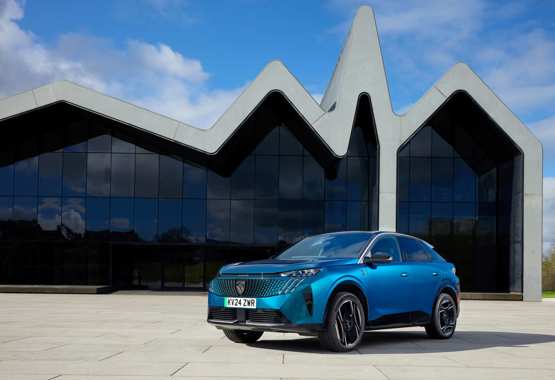
Has Peugeot’s Retail Strategy Driven a 20% Sales Surge?
Peugeot’s focus on SUVs and EVs has spurred a 20% rise in retail car sales – see why UK buyers are taking notice.
Peugeot’s Retail Success: 20% Growth Explained
Peugeot has announced a 20% increase in its retail car sales, a performance boost that is directly linked to robust demand for sport‑utility vehicles (SUVs) and a growing appetite for electric vehicles (EVs). This uplift demonstrates how the French manufacturer’s recent retail strategy is resonating with UK customers.
Why SUVs Are Steering the Market
Strong SUV demand has been a key driver behind the sales surge. Consumers continue to value the practicality, higher driving position and versatile space that SUVs provide, making them a popular choice across a range of budgets. By prioritising a portfolio that includes well‑received SUV models, Peugeot has aligned its retail offering with the preferences of today’s driver.
The Role of Electric Vehicle Growth
Alongside SUV popularity, the rapid expansion of the EV sector has also contributed to the 20% uplift. As the UK market moves toward lower emissions, buyers are increasingly seeking electrified options. Peugeot’s commitment to expanding its electric range has positioned the brand favourably with environmentally conscious shoppers, further supporting retail momentum.
Retail Strategy in Practice
The retail strategy that underpins this performance focuses on two main pillars: expanding the availability of high‑interest SUV models and accelerating the introduction of electric alternatives. By doing so, Peugeot has ensured that dealership inventories reflect the segments that are currently generating the most consumer interest. This alignment between product mix and market demand is a classic example of how a targeted retail approach can translate into measurable growth.
What the Growth Means for UK Buyers
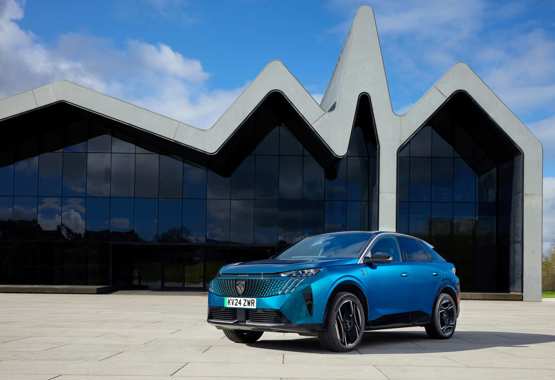
For prospective car owners, the 20% sales increase signals a stronger and more varied offering from Peugeot at local dealerships. Increased retail momentum typically results in more competitive pricing, a wider selection of trim levels, and greater availability of test‑drive opportunities. Buyers interested in either a capable SUV or an efficient EV are likely to find a model that meets their needs within Peugeot’s refreshed line‑up.
Future Outlook
While the current figures highlight a significant uplift, the ongoing evolution of the SUV and EV markets suggests that Peugeot’s retail strategy will continue to be tested. Maintaining the pace of growth will depend on the brand’s ability to keep its product range aligned with consumer expectations, sustain dealership support, and respond swiftly to any shifts in regulatory or economic conditions that affect vehicle purchasing.
Conclusion
Peugeot’s 20% rise in retail car sales underscores the effectiveness of a strategy centred on strong SUV demand and expanding EV adoption. By delivering the vehicles that UK shoppers are actively seeking, the brand has secured a notable increase in market performance. For buyers, this translates into more choice, likely better deals, and reassurance that Peugeot is keeping pace with the key trends shaping the automotive landscape today.