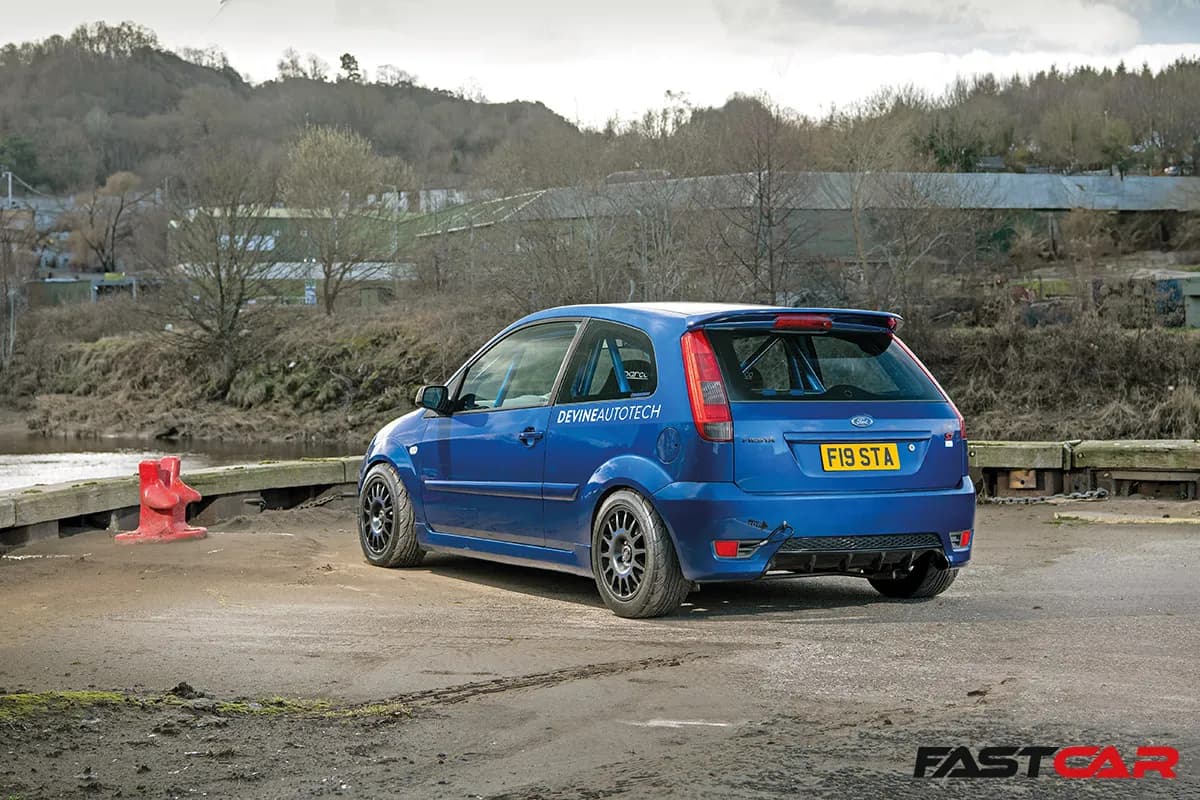
Ford Fiesta ST Mk6 Tuning Guide: How to Unlock Its Full Potential
Discover how to tune your Ford Fiesta ST Mk6 for maximum performance, from engine upgrades to suspension modifications. Our comprehensive guide covers all tuning options.
The Ford Fiesta ST Mk6 represents fantastic value in the hot hatch market today, offering an engaging driving experience with significant tuning potential. For those wondering "Is the Ford Fiesta ST worth modifying?", the answer is a resounding yes. This guide explores how to transform your ST150 into a truly formidable performance machine.
The ST150's Tuner-Friendly Foundations
The Mk6 Fiesta ST continues Ford's tradition of creating entertaining hot hatches by combining a powerful engine with a nimble chassis. With its 2.0-litre Duratec engine producing 150bhp (hence the ST150 designation), the car provides an excellent base for modifications. The robust chassis can comfortably handle significantly more power than the factory specification delivers, making it an ideal candidate for tuning enthusiasts.
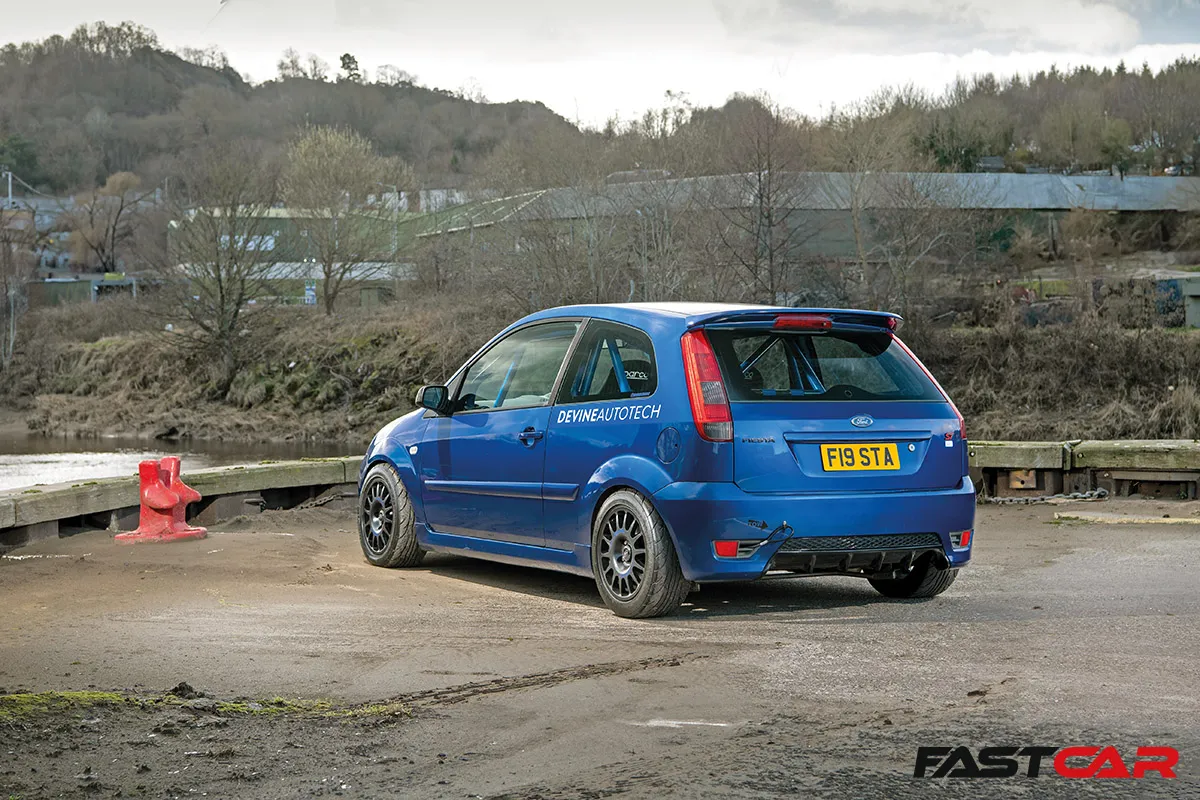
Over the years, we've witnessed numerous tuning approaches for the ST150. Many owners opt for fast-road conversions achieving around 200bhp with complementary chassis and braking upgrades. Others pursue more extreme paths, including forced induction conversions and engine swaps that can yield astonishing power outputs for such a compact vehicle. The Mk6 ST has also proven itself as a capable track car, frequently outperforming more powerful competitors thanks to its exceptional handling characteristics.
Ford Fiesta ST Mk6 Engine Tuning
The ST's 2.0-litre Duratec engine provides a solid foundation for modifications, though owners should monitor oil levels regularly as the engine tends to consume oil during spirited driving. Before pursuing power gains, consider practical upgrades like a power steering relocation kit to prevent fluid leaks at high rpm. Some tuners also recommend fitting an oil cooler for enhanced reliability.
Breathing improvements form the logical starting point for engine tuning. The restrictive factory airbox can be replaced with aftermarket induction kits from specialists like K&N, ITG, or Mountune. These not only improve engine sound but also lay the groundwork for future modifications.
Exhaust upgrades provide the next performance step. While cat-back systems enhance the auditory experience, fitting a sports catalytic converter from manufacturers like Scorpion, Piper, or Milltek delivers more meaningful power gains. Combining these modifications with an ECU remap typically yields 165-170bhp, significantly enhancing the driving experience.
Camshaft Upgrades
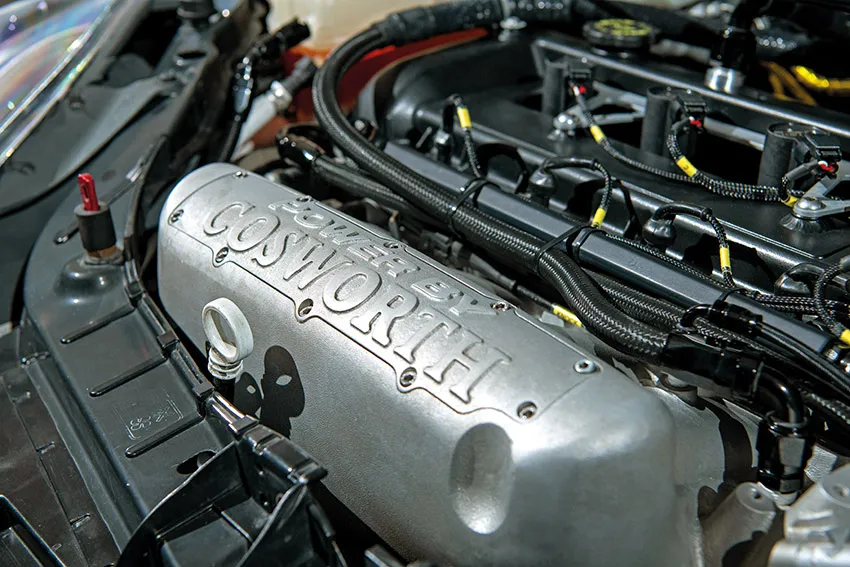
Installing fast-road camshafts represents the next logical progression. The Cosworth 200-spec camshaft kit is a popular choice, potentially delivering up to 200bhp when combined with supporting modifications. Other options include profiles from Newman Cams and Piper Cams. For camshafts with high lift characteristics, upgrading to double valve springs is advisable.
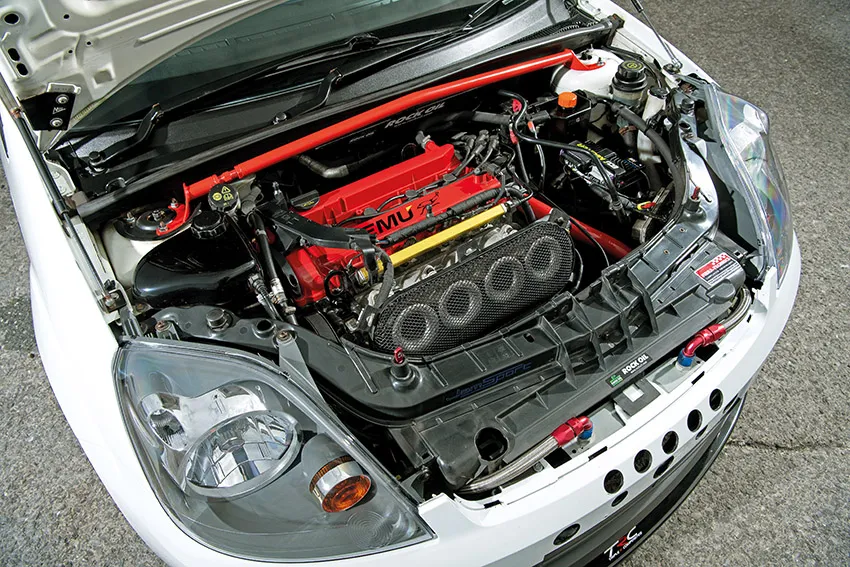
Maximising naturally-aspirated performance requires addressing intake restrictions. The standard inlet manifold and throttle body become limiting factors beyond certain power levels. Cosworth and Mountune previously offered upgraded components, while companies like Jamsport, SiCo Developments, and Pumaspeed provide contemporary alternatives. With appropriate tuning, these modifications can achieve the sweet spot of 190-200bhp for fast-road applications.
Advanced Naturally-Aspirated Tuning
Beyond 200bhp, owners face a choice: continue with naturally-aspirated development or embrace forced induction. Throttle body conversions represent the next step for NA tuning, often requiring standalone engine management systems. While power outputs exceeding 200bhp are achievable, the law of diminishing returns applies significantly at this stage.
For those committed to extreme naturally-aspirated builds, combining a 2.3-litre bottom end, ported cylinder head with larger valves, aggressive camshafts, and substantial throttle bodies can yield over 300bhp. However, such extensive modifications typically suit race cars competing in specific regulations rather than road-going vehicles.
Ford Fiesta ST Mk6 Forced Induction Tuning
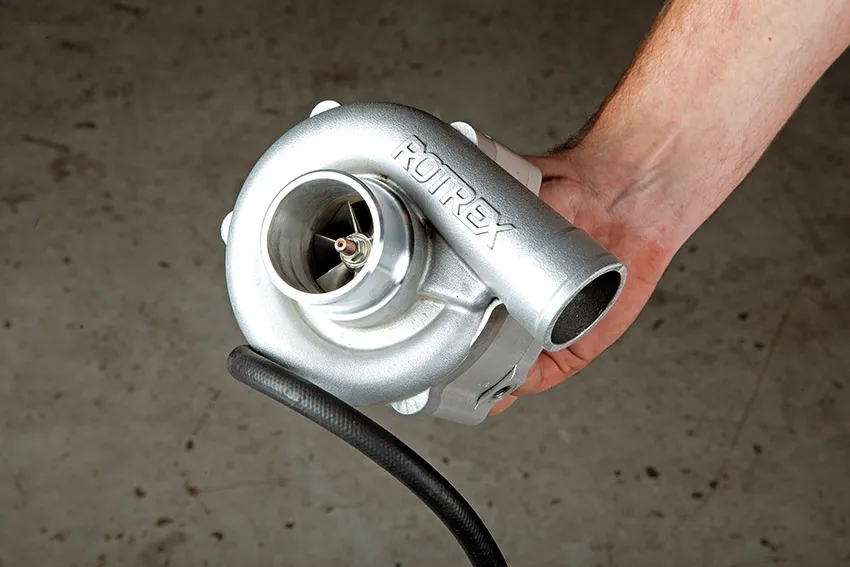
For road cars seeking significant power increases, forced induction often provides a more cost-effective solution than extreme naturally-aspirated builds. Supercharger conversions using Rotrex units have proven successful, with standard internals capable of handling around 300bhp. These systems work effectively with the factory ECU and deliver linear power delivery characteristic of centrifugal superchargers.
Turbocharging offers the greatest potential for power gains, though these conversions typically involve custom fabrication rather than off-the-shelf kits. With careful specification and tuning, turbocharged ST150s can approach 500bhp, transforming the car's performance character completely.
Ford Fiesta ST Mk6 Transmission Tuning
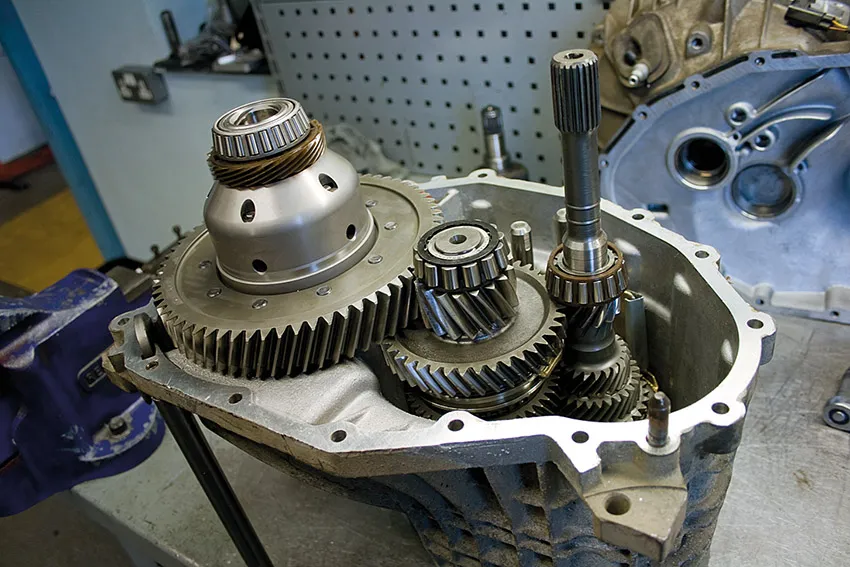
The standard IB5 gearbox, while lacking a sixth speed, features appropriately short ratios for spirited driving. It generally copes well with power increases, particularly in naturally-aspirated applications. However, the absence of a limited-slip differential represents a significant limitation, with the standard differential prone to failure under stress.
Upgrading to a Quaife ATB differential benefits most road cars, while track-focused vehicles may prefer more aggressive plated differentials from manufacturers like Gripper or 3J Driveline. The standard clutch accommodates power up to approximately 200bhp, beyond which upgrades from specialists like Helix become necessary. Forced induction conversions typically require the stronger MTX-75 gearbox, though installation involves significant modification.
Ford Fiesta ST Mk6 Suspension Tuning
Developed by Ford's TeamRS division, the ST's chassis provides excellent handling straight from the factory. However, the standard ride height benefits from reduction. Lowering springs from Eibach improve both aesthetics and dynamics, particularly when paired with upgraded dampers like Bilstein's B12 kit.
For fast-road use, quality coilovers often prove unnecessary, though track enthusiasts may appreciate the adjustability offered by premium systems like AST. Polyurethane bush upgrades from SuperPro or Powerflex enhance chassis response, while performance anti-roll bars and rear axle spacers further refine the handling balance.
Ford Fiesta ST Mk6 Brake Tuning
The standard 258mm front brakes perform adequately when paired with quality pads, discs, and braided lines. A popular and cost-effective upgrade involves fitting Focus ST170 300mm discs with Mk3 Mondeo calipers. Alternatively, Mk1 Focus RS Brembo calipers can be adapted with appropriate brackets.
Aftermarket big brake kits from AP Racing, K-Sport, and Hi-Spec offer the ultimate braking solution, particularly for track use where smaller wheel diameters may be preferred. Rear braking upgrades are generally limited to improved discs and pads, though ST170 components allow fitting 270mm discs within standard wheels.
Interior Upgrades
The standard half-leather seats provide reasonable comfort but lack support during enthusiastic driving. Recaro Sportster CS seats (as fitted to the Mk2 Focus RS) offer an ideal compromise between comfort and support. More affordable alternatives include reclining bucket seats from manufacturers like Corbeau, which accommodate both harnesses for track use and standard seatbelts for road driving.
Wheels and Tyres for the Mk6 Fiesta ST
The standard 17-inch alloys are notably heavy, weighing approximately 20.87kg each. Switching to lighter alternatives like Team Dynamics Pro Race 1.2s (approximately 17.6kg) reduces unsprung weight significantly, improving handling response. Most road cars maintain 17-inch diameters or reduce to 16-inch, while track cars often opt for 15-inch wheels for optimal handling.
Tyre selection crucially influences performance. While Toyo R888Rs suit track use, any quality performance tyre represents an improvement over budget alternatives.
Styling Considerations
The Mk6 Fiesta ST's design has aged gracefully, with many owners preferring subtle enhancements like front splitters rather than dramatic body kits. Removing factory stripes often modernises the appearance, while maintaining the car's distinctive character.
The Ford Fiesta ST Mk6 remains an excellent platform for tuning enthusiasts, offering substantial performance gains through well-chosen modifications. Whether seeking enhanced road manners or track-focused performance, the ST150 delivers impressive results that belie its accessible pricing.