Do Fuel Additives Really Save You Money? A Guide to Motul Treatments
Exploring whether fuel and oil additives like Motul's treatments genuinely save money on MOT tests, fuel costs, and repairs, or just add to your service bill.
Do Fuel Additives Really Save You Money? A Guide to Motul Treatments
For UK motorists looking to maintain their vehicles efficiently, the world of fuel and oil additives presents an intriguing proposition. Often sold alongside Motul's NGEN Core oils in garage service packages and pre-MOT bundles, these treatments claim to offer benefits ranging from cleaner engines to improved fuel economy. But do they genuinely deliver cost savings, or do they simply inflate your service bill?
Understanding Fuel and Oil Additives
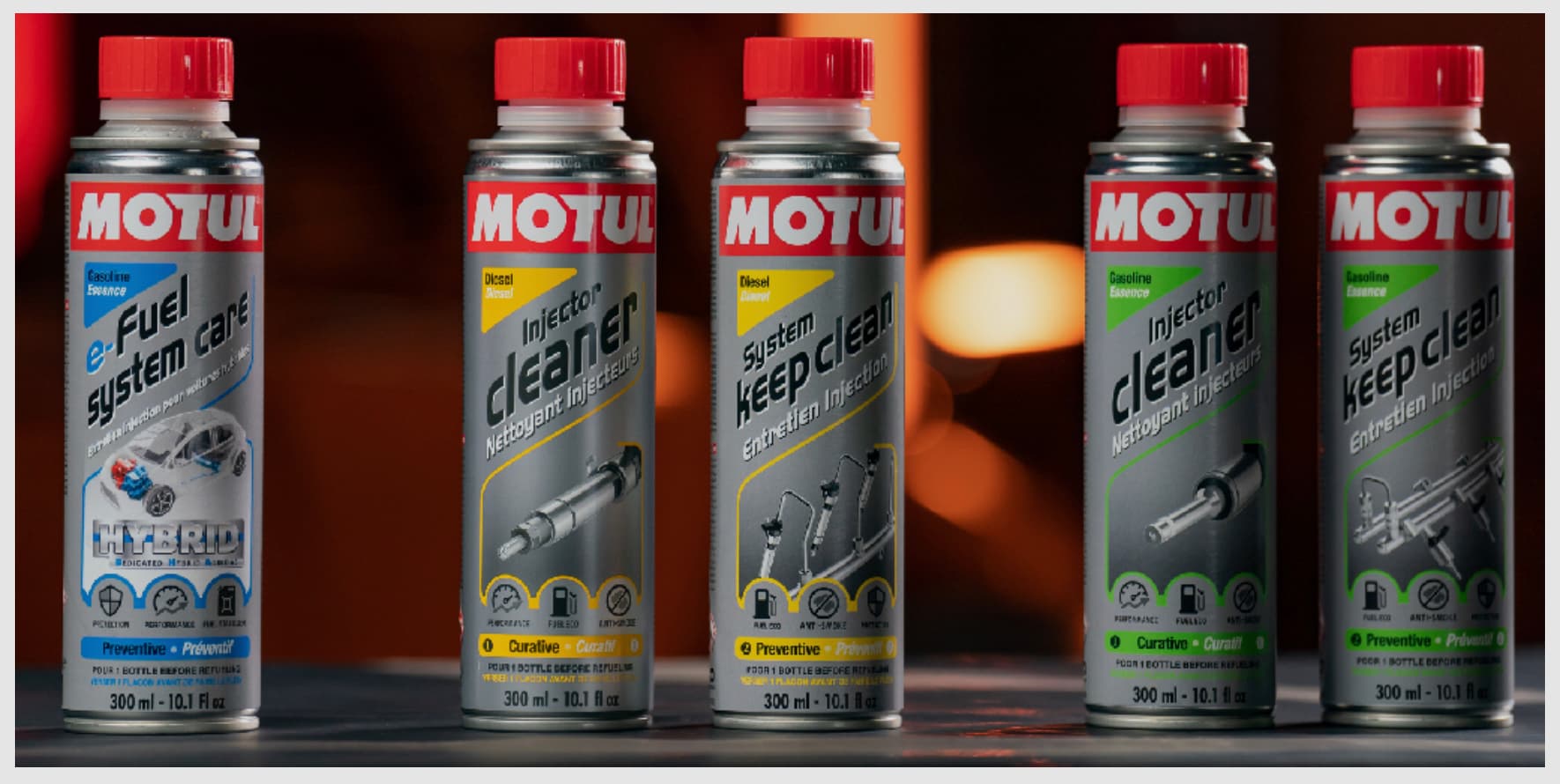
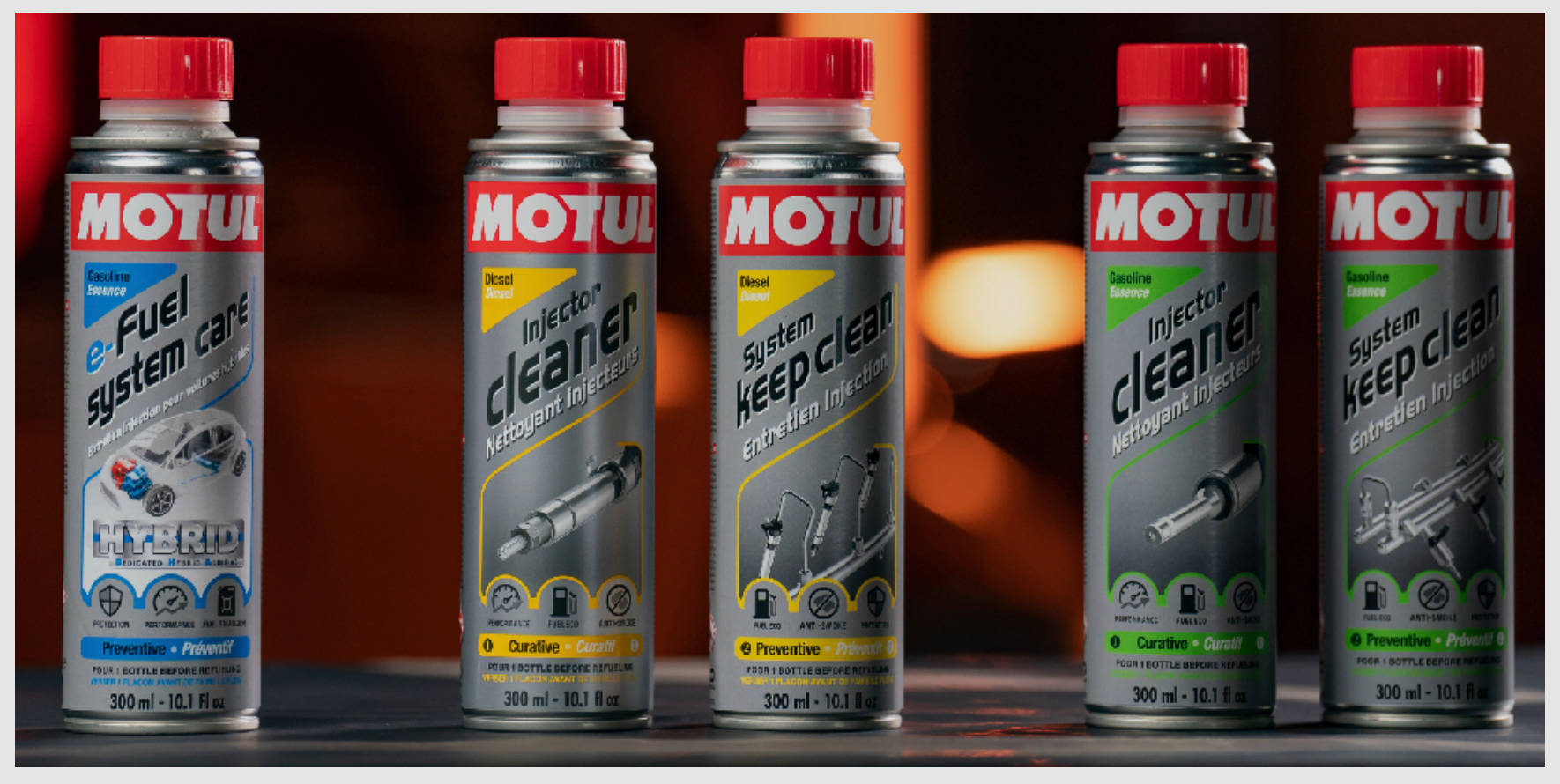
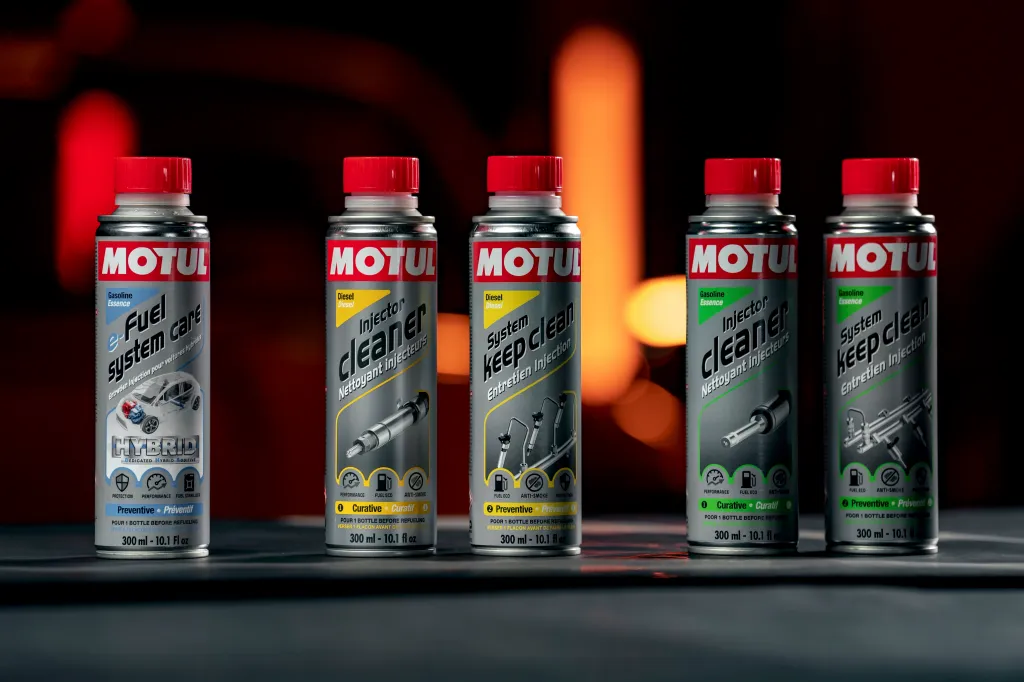
Motul's additive range falls into two primary categories: fuel system treatments and oil circuit treatments. These products are designed to address specific issues that can affect your vehicle's performance and running costs.
Fuel System Cleaners
These additives are poured directly into your fuel tank and serve several key functions:
• Cleaning injector nozzles and intake valves – particularly important for port-injected and some direct injection engines
• Removing deposits that disrupt fuel spray patterns and airflow
• Helping to stabilise combustion and reduce hydrocarbon/carbon monoxide emissions
For vehicles approaching their MOT test, Motul offers specific "pre-MOT emission solutions" that bundle these cleaners together – potentially helping borderline cars pass emissions standards.

Oil Circuit Additives
These treatments work within your engine's lubrication system and include:
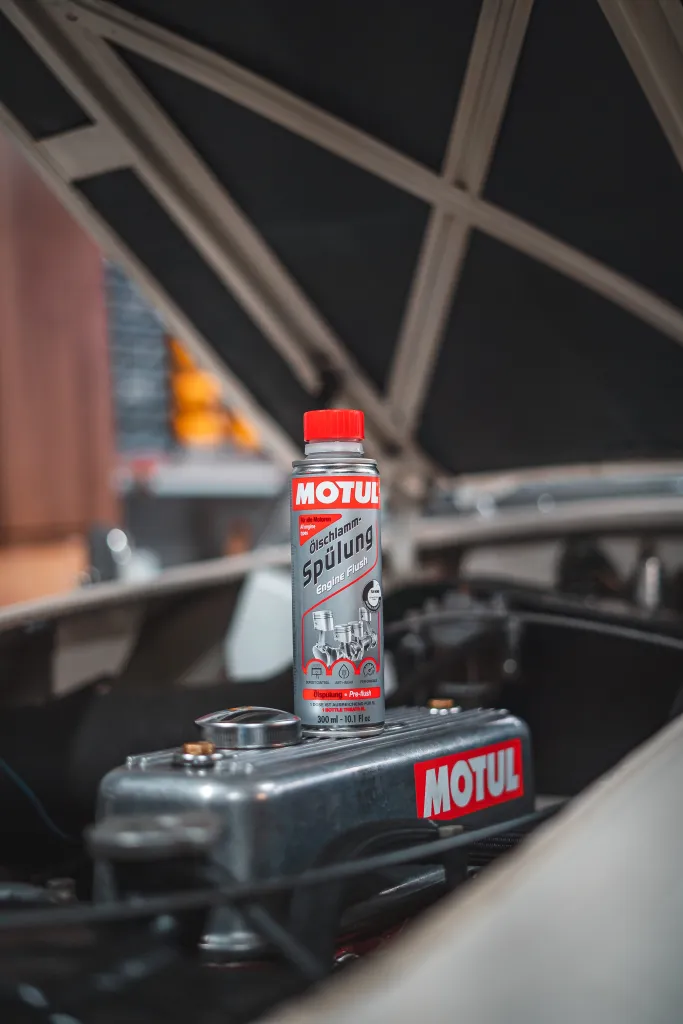
• Engine flushes: Short-term treatments used before oil changes to dissolve sludge and varnish
• Detergent and anti-friction boosters: Additives designed to enhance oil properties between services
It's crucial to use products compatible with modern low-SAPS oils and aftertreatment systems, especially for vehicles equipped with DPFs or GPFs.
Performance Enhancers
For enthusiasts and those with modified vehicles, octane boosters (for petrol engines) and cetane improvers (for diesel engines) can provide measurable benefits. These products help suppress knock in marginal fuel situations and support smooth combustion, potentially preventing performance issues when fuel quality is questionable.
How Additives Complement NGEN Re-refined Oils
Motul's NGEN Core oils focus on sustainability through re-refined base stocks, but they still represent modern, fully-formulated lubricants. Additives work alongside these oils rather than replacing their fundamental properties.
Preparing for an Oil Change
When transitioning a higher-mileage engine to NGEN oil, using an engine flush and fuel system cleaner can be a smart investment. This helps dissolve existing deposits, allowing the fresh oil to start with a cleaner slate. For example, a BMW N52 with 120,000 miles that's seen mainly short journeys might benefit significantly from this approach.
Supporting Emissions Compliance
With MOT emissions tests becoming increasingly stringent, the right additives can make financial sense. Combined with appropriate NGEN oil, they can reduce injector deposits that lead to rich running, improve combustion efficiency, and help avoid costly test failures or forced DPF regenerations.
Maintaining Performance Engines
For tuned or hard-driven vehicles, strategic additive use between services can maintain performance levels. Fuel system cleaners help keep injector patterns sharp, while engine flushes remove deposits that could lead to performance issues. Octane boosters provide insurance when premium fuel isn't available.
When Additives Actually Save Money
Additives are most likely to provide genuine cost savings in specific scenarios:
Worthwhile Applications
• Addressing specific problems: Borderline emissions, known injector issues, or mild knocking
• Preparing for long-term ownership: Targeted cleaning before switching to quality oil can extend engine life
• Protecting expensive components: Avoiding replacement of injectors, DPFs, or catalytic converters
In these cases, the combination of NGEN oil and appropriate additives can reduce your total cost of ownership while supporting sustainability.
When to Think Twice
Additives are unlikely to save money when:
• Used indiscriminately without specific purpose
• Masking serious mechanical issues needing proper repair
• Overlapping treatments with duplicate functions
Important Safety Considerations
When using additives with NGEN oils, follow these guidelines:
1. Always follow Motul's compatibility recommendations, especially for low-SAPS oils and DPF/GPF-equipped vehicles
2. Never exceed recommended treatment rates
3. Respect vehicle warranties and manufacturer guidelines
4. Exercise particular caution with motorcycles featuring wet clutches
The Bottom Line for UK Motorists
Fuel and oil additives should be viewed as targeted tools rather than universal solutions. When used strategically to address specific issues or prepare a vehicle for long-term service with quality oils like Motul's NGEN range, they can indeed save money on fuel, repairs, and MOT-related expenses. However, the foundation remains the quality oil in your sump – additives should complement, not replace, proper maintenance practices.