Did a Fake Jaguar I‑Pace Fault Claim Cost JLR Over £50m? The Full Story
Jaguar Land Rover set aside >£50m after a fabricated Jaguar I‑Pace fault claim triggered a police operation and a 4‑year jail sentence.
What sparked the £50m marketing spend?
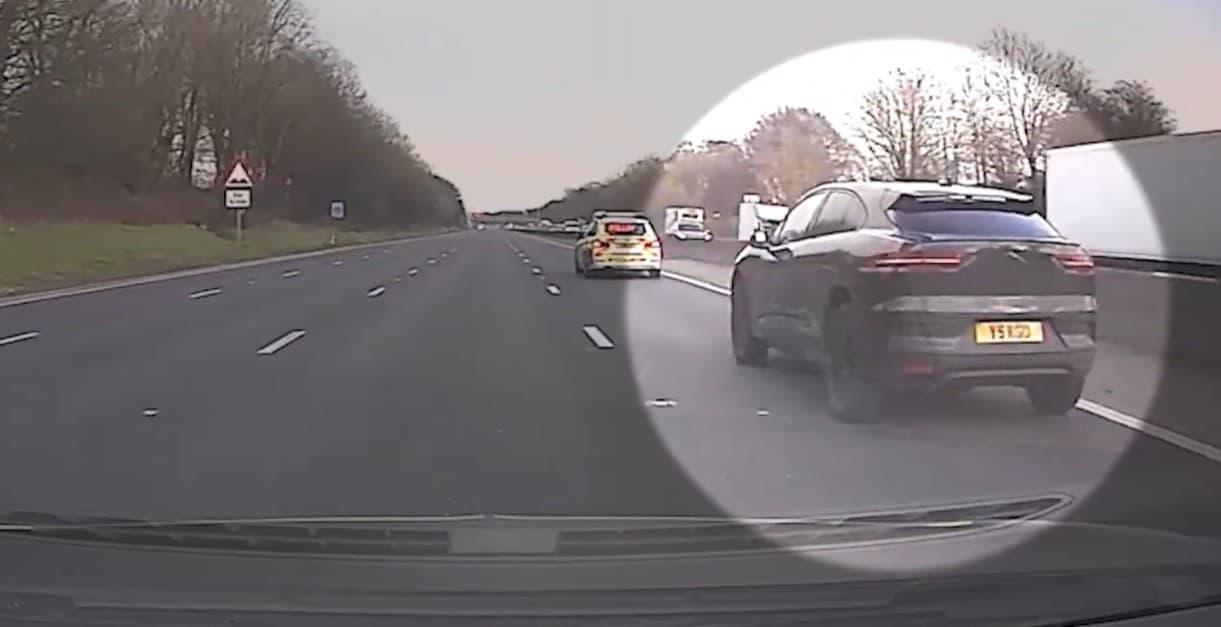
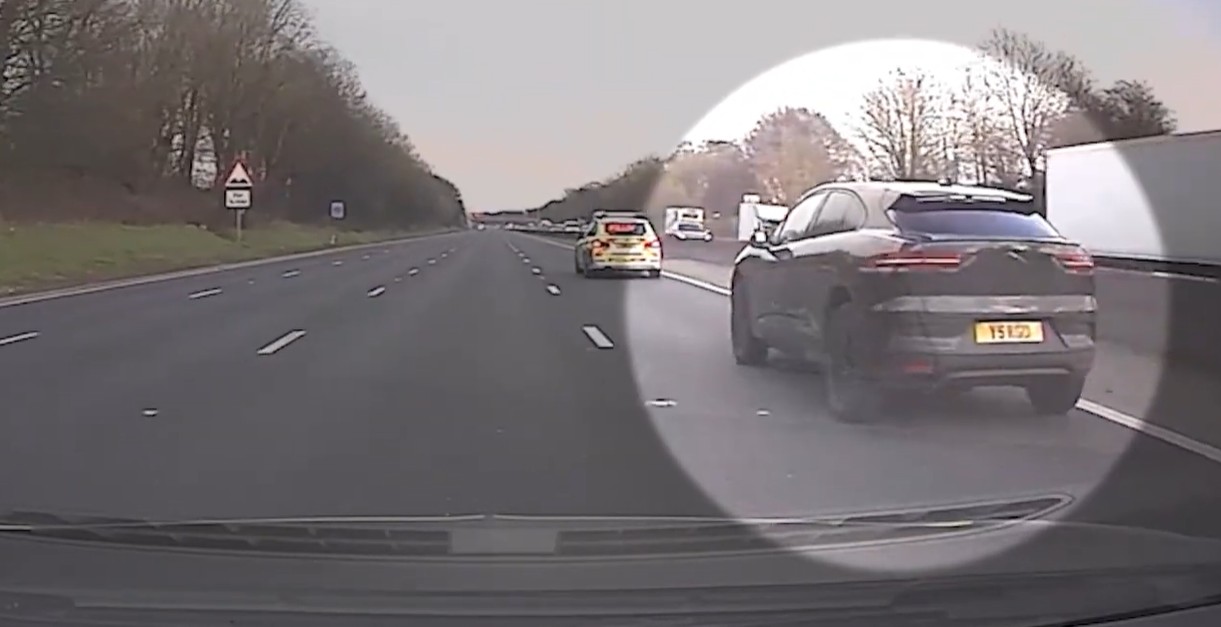
In March 2024 a 33‑year‑old motorist, Nathan Owen, staged a dramatic incident on the M57 and M58, claiming his electric Jaguar I‑Pace had suffered a catastrophic malfunction. The alleged breakdown prompted a large‑scale police response and extensive media coverage.
Jaguar Land Rover (JLR) was forced to allocate more than £50 million to marketing and public‑relations activities aimed at countering the negative publicity generated by the story.
How the fabricated incident unfolded
According to Liverpool Crown Court, Owen told emergency operators that his I‑Pace was ‘not stopping’ while travelling at speeds of up to 86 mph. He allegedly ran red lights, joined the motorway and collided with a police vehicle on several occasions.
Specially‑trained officers were instructed to box the vehicle in on the M62 near Junction 12 at Birchwood, Warrington. However, prosecutors later proved the entire sequence was fabricated.
Police investigation and evidence
The initial 999 call was placed while the Jaguar was stationary – just five minutes after Owen had contacted his finance provider to request extra funding, a request that was rejected. Subsequent investigations uncovered text messages on Owen’s phone in which he discussed ways of disposing of the car, including deliberately writing it off.
Detective Constable Michael Doyle testified that the driver was in full control of the vehicle throughout the episode and that his actions put officers on the hard shoulder and other road users at risk.
Court outcome and sentencing
In Liverpool Crown Court Owen pleaded guilty to dangerous driving and two counts of fraud. Judge Ian Unsworth KC sentenced him to four years and three months in prison, ordered a five‑year driving disqualification and required an extended driving test before any future licence could be reinstated.
The judge highlighted the public alarm and police resources expended on a “significant traffic operation” that could have been avoided. A charge of causing a public nuisance was also recorded on the file.
Financial gain from the hoax
After the staged incident, Owen sold his account of the event to The Sun and the Daily Mail, receiving a combined £800 for describing the episode as a ‘terror ride’ and ‘35 minutes in hell’.
Impact on Jaguar Land Rover’s brand management
JLR’s decision to set aside more than £50 million reflects the seriousness with which the company treats reputational risk. The spend covered a suite of marketing initiatives designed to reassure existing and prospective customers that the Jaguar I‑Pace has no inherent faults.
Industry observers note that such a substantial allocation underscores the importance of rapid, factual communication when false claims threaten a premium electric vehicle’s image.
Key takeaways for dealers and consumers
For car dealers, the case illustrates the necessity of vigilant finance‑agreement management and the potential fallout from fraudulent claims. For consumers, it serves as a reminder to verify any alleged vehicle fault with the manufacturer before accepting sensational media reports.
- Nominate yourself for a Used Car Award
- Join our breaking news WhatsApp group
- Sign up for daily email Car Dealer news bulletins
- Listen to the latest Car Dealer Podcast
- Read the latest digital issue of Car Dealer Magazine
The original story appeared on Car Dealer Magazine.