Dealer Wins Landmark Case: Customer's Distance Selling Loophole Exploited Rejected by Court
A used car dealer has won a legal battle against a customer who exploited distance-selling rules to demand a refund after 9 months. A landmark ruling for UK dealers.
Landmark Victory for Car Dealer Against Serial Distance-Selling Exploitation
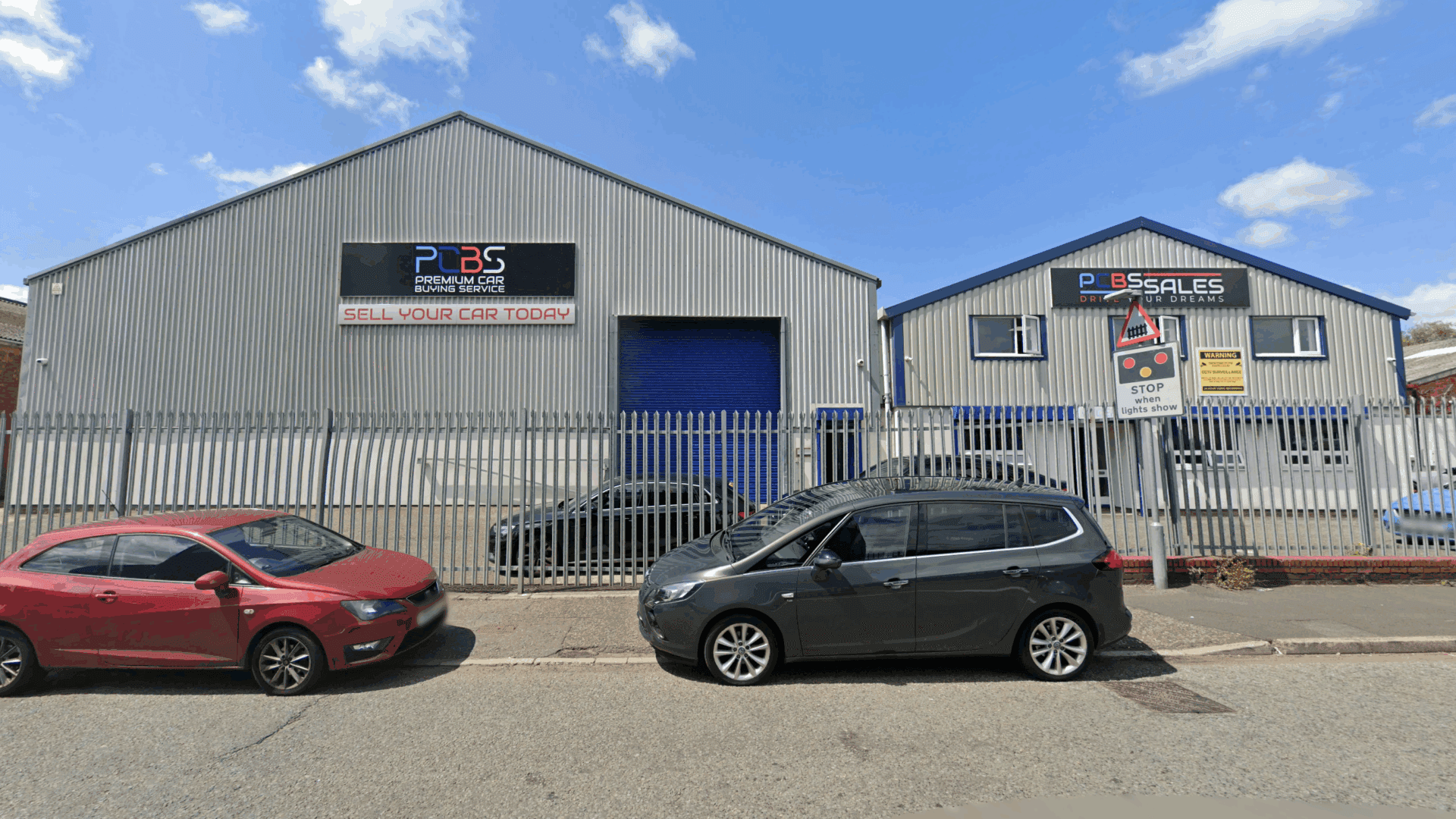
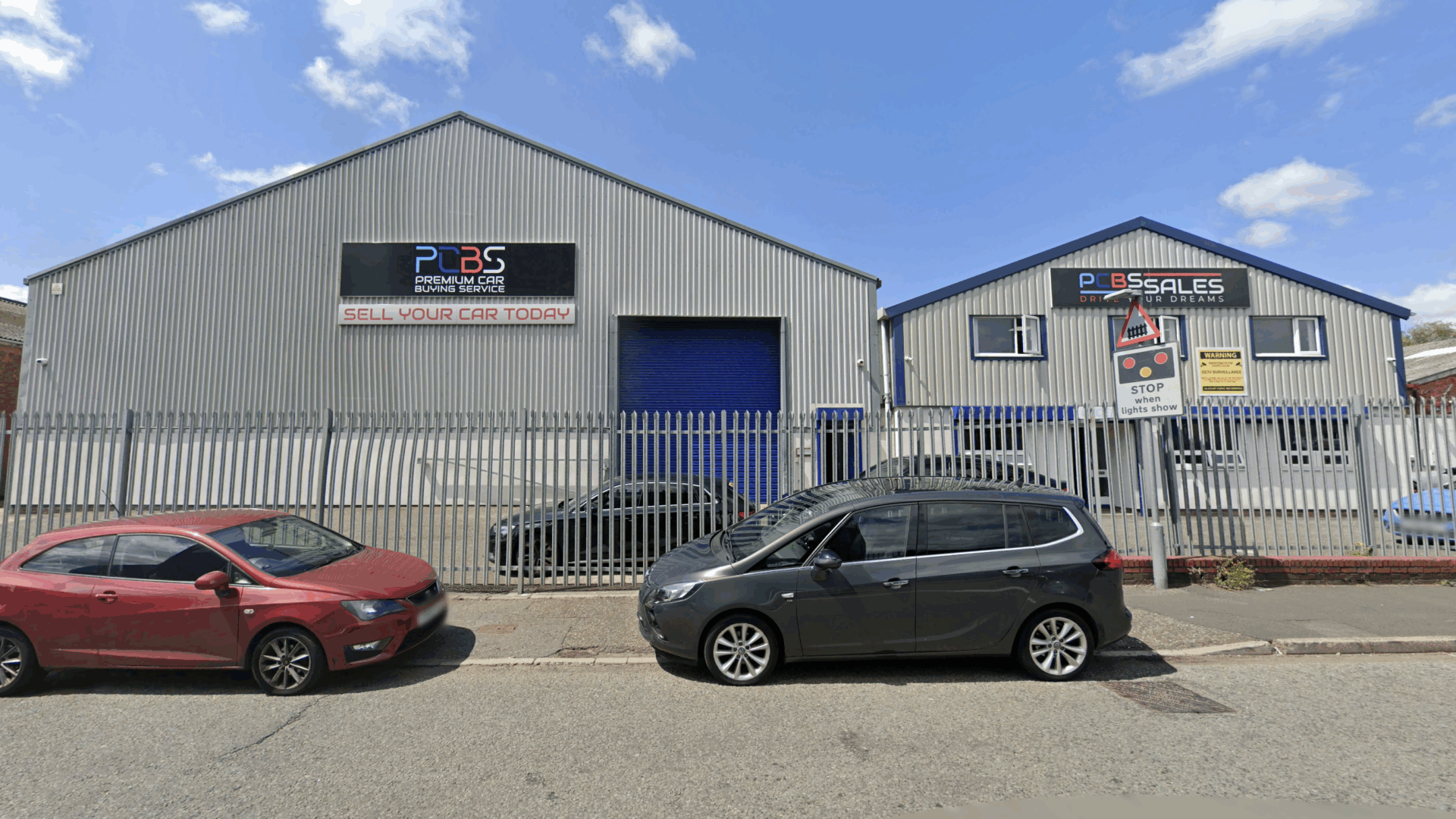
A significant legal precedent has been set for UK car dealerships after Williams Group Maidstone, trading as PCBS Sales, finally won a protracted legal fight against a customer who repeatedly attempted to exploit distance-selling regulations. The case concluded when the customer's final appeal was definitively rejected by the courts, bringing an end to a saga that could have cost the dealer nearly £27,000.
The Transaction and The Strategy
The dispute centred on the September 2022 sale of a used Tesla Model X to Duncan Edward Humber from Oxted in Surrey for £81,975. The transaction was structured in a particular way: payment was made on September 7, with the sales invoice signed remotely via email, and the vehicle was collected the following day. Crucially, Humber specifically requested a 'collection-only experience', which he claimed would reduce stress, resulting in the majority of the deal being conducted remotely.
The Refund Demand and The Legal Argument
Nine months after taking ownership of the electric vehicle, in June 2023, Humber contacted the dealership demanding a full refund. His argument hinged on the Consumer Contracts (Information, Cancellation and Additional Charges) Regulations 2013 (CCR), commonly known as distance-selling rules. He claimed that because he had not been provided with the required cancellation notice for a distance sale, he was entitled to a generous cancellation window of up to one year and 14 days to return the car. By this time, the Tesla's value had depreciated to an estimated £55,000, leaving Williams Group facing a potential loss of almost £27,000.
Legal Defence and Court Ruling
Faced with this substantial financial threat, the dealership sought expert legal counsel from Lawgistics, who had previous experience with Humber from similar attempts he made during the COVID-19 lockdown period. While those earlier cases were defensible due to legitimate distance-selling operations during lockdown, Williams Group's case was different. The matter was heard at Bromley County Court, where District Judge Paul Brooks ruled in the dealer's favour in a detailed 18-page written judgment delivered in August 2024.
Judgment Upheld After Multiple Appeals
Despite the clear ruling, Humber was not deterred. He first sought permission to appeal the judgment, which was refused by the trial judge. He then submitted a written application for permission to appeal, which was also rejected. Undeterred, he made a final oral application, which has now been refused once again, finally concluding the legal battle. Nona Bowkis, head of legal services at Lawgistics, commented, "This customer has finally reached the end of the road and our dealer can relax."

The Judge's Scathing Assessment
In his initial judgment, Judge Brooks was highly critical of Humber's actions. He stated that the payment of the holding deposit did not constitute a contract. More significantly, the judge said, "Although it is not suggested that [Humber] acted illegally, or indeed immorally, it is clear from his previous endeavours... that he was doing his utmost to secure a remote purchase." Judge Brooks found Humber's claim of wanting a "collection-only experience" to be "at best misleading and at worst untruthful," concluding that his true intention was to create a remote transaction specifically to invoke the CCR and reject the car at a time of his choosing, a tactic the judge described as "disingenuous."
Key Takeaways and Recommendations for Dealers
This case serves as a crucial lesson for dealerships across the UK. Lawgistics has issued clear recommendations to protect businesses from similar exploitation. Dealers are urged to make it explicitly clear that a holding deposit is solely for taking a vehicle off viewings and is not an actual deposit on the vehicle itself. Furthermore, dealerships should state that they do not operate an organised distance sales scheme. A key practical tip is to avoid using the word 'deposit' in these scenarios altogether and instead use the term 'reservation fee' to clarify the nature of the payment and protect the business from misinterpretation of the contract.