
Car Spoilers Explained: What Are The Different Types And Which Is Best?
Explore the different types of car spoilers from lip spoilers to active wings. Learn the difference between spoilers and wings, their functions, and which is best for your car.
Understanding Car Spoilers: More Than Just Aesthetic Additions
Car spoilers are far more than just stylish accessories for your vehicle. They serve a crucial role in vehicle aerodynamics, making them one of the most effective modifications you can make to improve performance. But what exactly does a spoiler do, and with so many different types available, how do you choose the right one for your car? This guide explains everything you need to know about spoilers and wings, from their fundamental purpose to the specific characteristics of each type.
What Is a Car Spoiler?
At its core, a car spoiler is an aerodynamic device designed to control airflow over your vehicle. By directing air where you want it – and away from where you don't – spoilers reduce turbulence and increase downforce. This enhanced downforce results in improved grip during acceleration, braking, and cornering, making your car more stable and responsive.

Spoilers are available in various materials to suit different applications and budgets. Common options include ABS plastic, fibreglass, aluminium, and carbon-fibre. Alongside their performance benefits, spoilers add a sporty and stylish look that enhances any vehicle's appearance.
Spoiler vs Wing: Understanding The Crucial Difference
While the terms "spoiler" and "wing" are often used interchangeably, they function quite differently. Both improve aerodynamics, but they manipulate airflow in distinct ways.
A wing works by deflecting airflow upward, generating an opposite downward force – known as downforce. Think of it as an inverted aeroplane wing: where an aircraft wing lifts the plane, a car wing pushes the vehicle into the road for increased grip.
In contrast, a spoiler acts as a barrier that disrupts or "spoils" the airflow. Mounted directly to the vehicle – typically on the rear window, roof, or boot – spoilers cause airflow to change direction and create turbulence, resulting in downforce that improves traction and stability.
A Comprehensive Guide To Different Spoiler Types
With so many spoiler styles available, it's important to understand which type best suits your vehicle and driving needs. Not all spoilers work equally well on every car, so let's explore the most common options.
Lip Spoiler
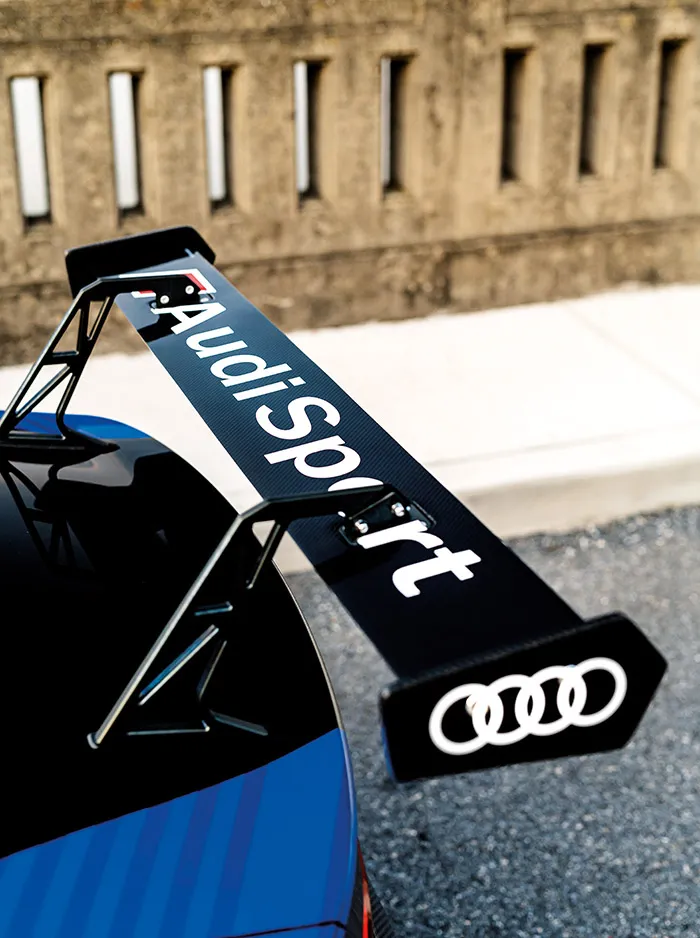
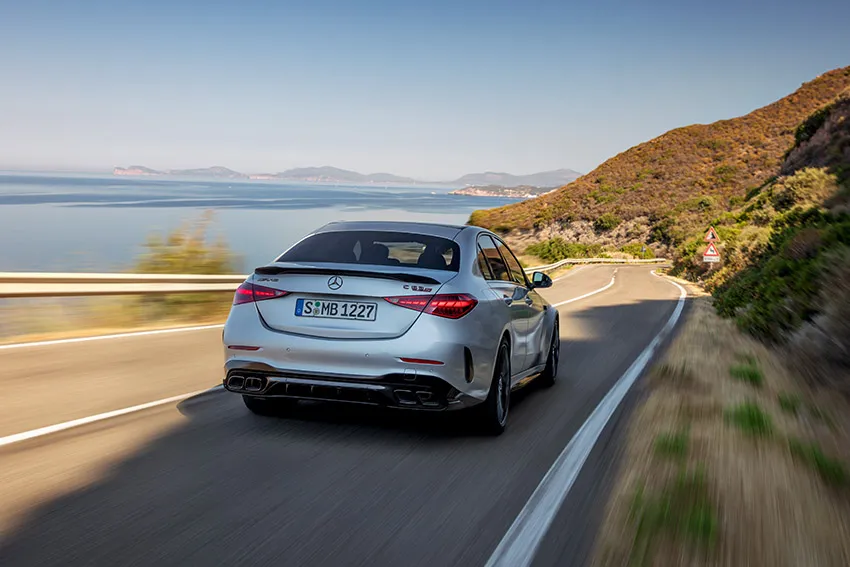
The lip spoiler (also known as a decklid spoiler) offers both cosmetic enhancement and functional benefits. It provides a slight increase in downforce, improving stability at higher speeds without significantly affecting fuel consumption. Installation is straightforward, making it a popular choice for hatchbacks and saloon models seeking a touch of sporty sophistication.
Pedestal Spoiler
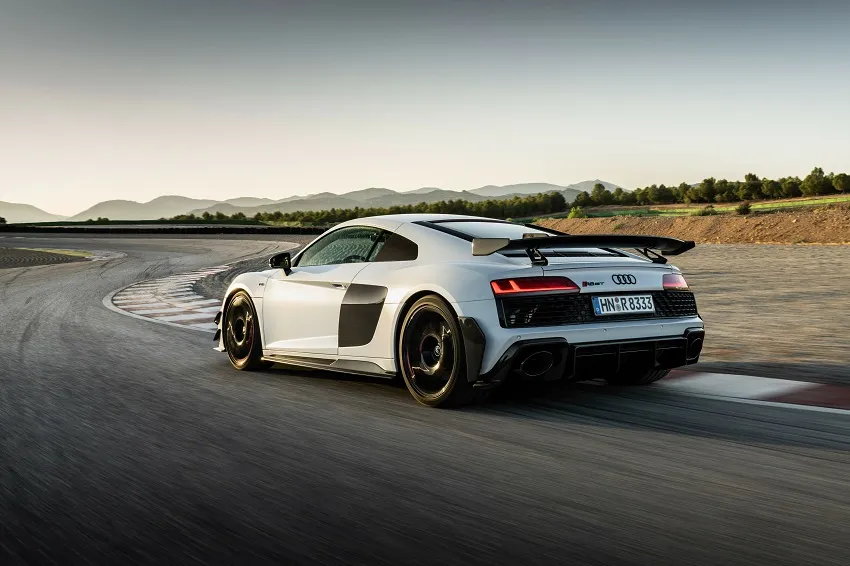
Favoured by sports car enthusiasts, pedestal spoilers feature a sleek, low-profile design mounted on pillars above the boot lid. They improve traction and stability at high speeds by creating downward force on the rear of the vehicle. These spoilers provide enhanced performance without compromising visibility or interfering with brake lights, making them suitable for everything from Dodge pickup trucks to Audi estates.
Ducktail Spoiler
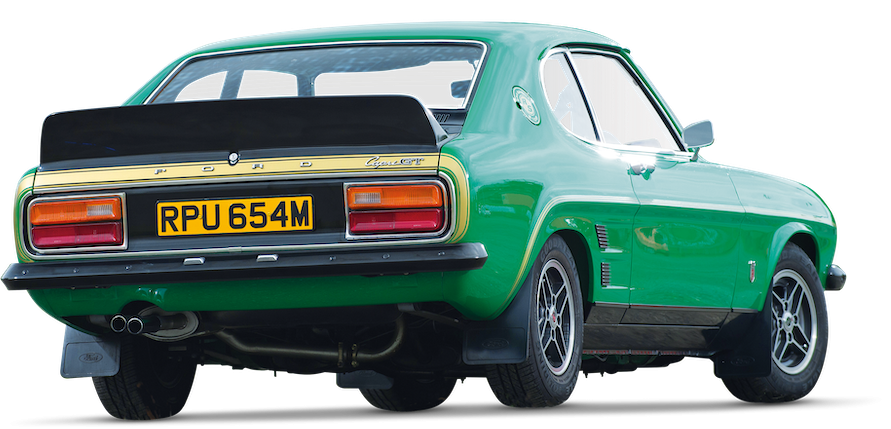
Named for its resemblance to a duck's tail, this popular aftermarket spoiler improves aerodynamics by reducing drag and increasing downforce through effective airflow management at the rear of the vehicle. While installation may require modifications to your car's boot or rear end, the ducktail offers both aesthetic appeal and performance benefits for enthusiasts seeking a more aggressive look.
Roof Spoiler
Commonly found on sporty hatchbacks like the Ford Focus RS and Honda Civic Type R, roof spoilers are small wing-like structures attached to the rear roof or tailgate. They enhance vehicle aerodynamics by reducing drag and increasing downforce, particularly improving stability at high speeds. Roof spoilers come in various forms, including lip, pedestal, and ducktail variations.
Whale Tail Spoiler
Iconic from 1980s and 1990s models like the Ford Sierra Cosworth and Ford Escort Cosworth, whale tail spoilers feature a large surface area supported by a single pedestal, resembling a whale's tail. Technically a rear wing rather than a spoiler, it creates significant downforce to reduce lift and improve high-speed traction. Beyond performance benefits, it delivers a distinctive retro-sport aesthetic.
Race Car Rear Wing
Designed for maximum performance, race car rear wings are large, adjustable spoilers that create substantial downforce to enhance traction and handling during high-speed cornering. By reducing drag, they improve stability at extreme speeds while adding a bold, aggressive look to race cars and high-performance sports vehicles.
Bi-Plane Spoilers
Made famous by models like the Merkur XR4Ti and European Sierra XR4i, bi-plane spoilers consist of two wings or flaps that provide increased downforce and improved handling for high-speed cornering. While they create significant drag that may not suit all driving conditions, their adjustability allows fine-tuning of downforce levels. They also create an aggressive, sporty appearance.
Gurney Flap
Named after American F1 driver Dan Gurney who developed them in the 1970s, Gurney flaps are small attachments on the trailing edge of spoilers that sit at right angles to the surface. They significantly increase downforce by creating pressure differences that generate additional downward force, improving stability and handling at high speeds. Commonly found on race cars and high-performance vehicles.
Active Spoiler
Active spoilers represent advanced aerodynamic technology, changing their angle of attack based on driving conditions detected by electronic sensors. These spoilers adjust according to speed, braking, and other factors, often working with fully active aerodynamics systems. Many can double as airbrakes under heavy braking, enhancing handling and stability while delivering a sporty appearance.
Airbrake
Airbrakes function by creating additional drag to effectively reduce speed. High-performance cars like the Ford GT use active spoilers that double as airbrakes – the wing surface rotates to 90 degrees under heavy braking to create maximum drag, then returns to its optimum angle for downforce generation.
Chassis-Mounted Wing
Unlike spoilers attached to boot edges, chassis-mounted wings connect directly to the vehicle's rear chassis or subframe. Commonly found on high-performance sports and race cars, they increase downforce on the rear wheels for improved handling and stability. Their adjustable angle and size allow fine-tuning of aerodynamics for different driving conditions.
Choosing The Right Spoiler For Your Vehicle
Selecting the appropriate spoiler involves considering your vehicle type, driving requirements, and aesthetic preferences. Whether you're modifying a family hatchback or a high-performance sports car, understanding these different spoiler types ensures you make an informed decision that enhances both your car's appearance and its aerodynamic performance.