Car software faults raise consumer rights risk for dealers
Industry says dealers should not bear liability for software‑related vehicle faults, urging responsibility to match manufacturers’ control of software, data…
Industry bodies are lobbying for liability rules that reflect manufacturers’ control over vehicle software, technical data and workshop training. They argue that complex software faults should not automatically expose dealers to consumer‑rights breaches, because the root cause often lies beyond the dealer’s remit.
Key takeaways
- Manufacturers control vehicle software and related technical information.
- Dealers lack direct access to software updates and diagnostic data.
- Current consumer‑rights rules can make dealers liable for software faults.
- Industry seeks alignment of responsibility with manufacturers’ control.
- Training for workshop staff is central to the debate.
Manufacturers’ control over vehicle software
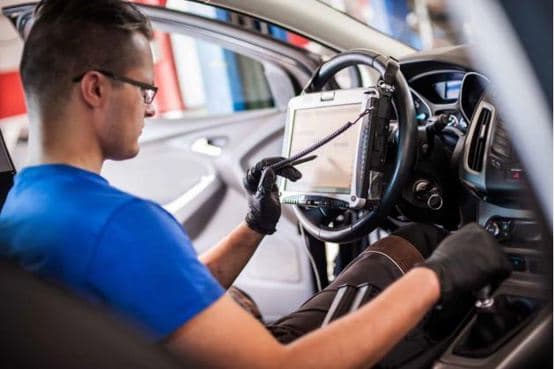
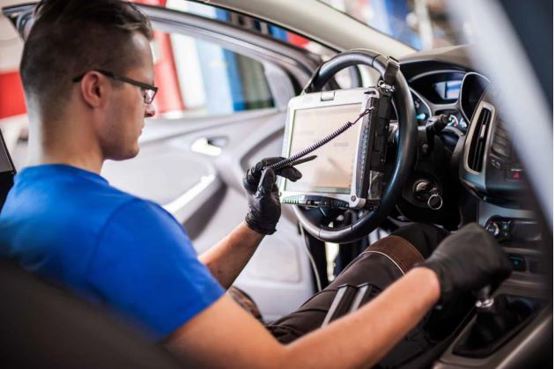
Vehicle software increasingly determines performance, emissions and safety functions. Manufacturers programme, update and protect that software, often limiting third‑party access. This control means dealers receive only limited diagnostic information, restricting their ability to identify or correct software‑related failures.
When a fault originates from a software error, the dealer may be unable to resolve it without a manufacturer‑issued patch. Without full technical data, even seasoned technicians cannot verify whether the issue lies in hardware, software or a combination of both.
Workshop training and technical information
Industry voices stress that workshop training must keep pace with software complexity. However, manufacturers typically dictate the curriculum and certify only authorised centres. Independent dealers therefore receive less detailed training, widening the knowledge gap.
This disparity influences how quickly a fault can be diagnosed and remedied. In cases where a software update is required, the dealer may need to send the vehicle back to the manufacturer, extending repair times and impacting customer satisfaction.
Consumer rights exposure for dealers
Under current consumer‑rights legislation, a vehicle that fails to meet reasonable expectations can lead to claims for repair, replacement or refund. If a software fault triggers such a claim, the dealer may be held responsible, despite not controlling the software.
Dealers therefore face financial and reputational risk when software issues arise, potentially encroaching on margins and dealer‑customer relationships. The industry argues that liability should be proportionate to the party able to effect a fix.
What this means for dealers
Dealers should review their service agreements and ensure they have clear procedures for escalating software‑related faults to manufacturers. Maintaining documentation of training received and diagnostic limitations can help demonstrate due diligence if disputes arise.
Proactive engagement with manufacturers on data access, training updates and software‑patch delivery will become increasingly important to minimise exposure to consumer‑rights breaches.
Frequently asked questions
How can dealers protect themselves from liability when software faults occur?
Dealers should keep detailed records of all diagnostic steps, communicate openly with manufacturers for software updates, and ensure that staff have the latest authorised training. Documenting these actions can show that the dealer acted responsibly if a consumer rights claim is made.
Will manufacturers be required to share more software data with dealers?
The industry is lobbying for regulatory changes that would give dealers greater access to software diagnostics. Until such rules are introduced, any increase in data sharing will depend on individual manufacturers’ policies and the terms of dealer agreements.