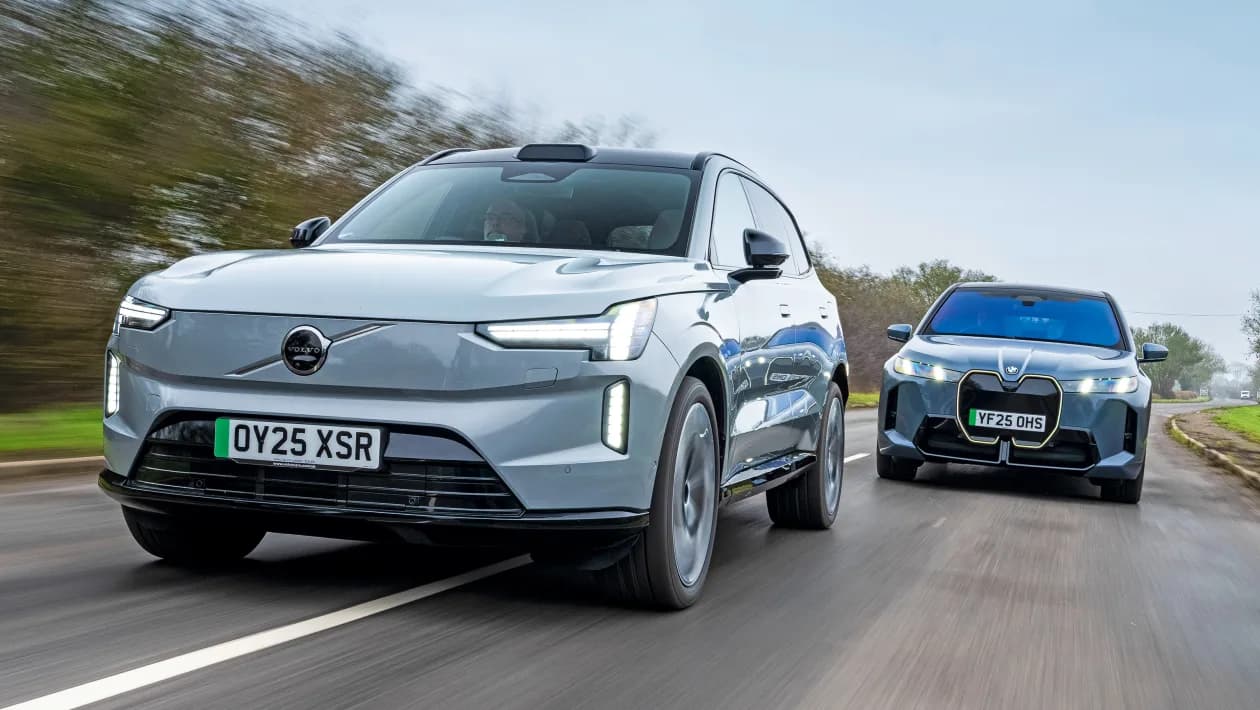
BMW iX vs Volvo EX90: Which Premium Electric SUV Is The Better Choice In 2024?
Comparing the BMW iX and Volvo EX90 electric SUVs. Which £100k premium EV offers better value, technology and driving experience for UK buyers?
BMW iX vs Volvo EX90: The Premium Electric SUV Showdown
The luxury electric SUV market continues to heat up with Volvo's impressive new EX90 entering the ring to challenge BMW's established iX. Both vehicles represent the pinnacle of their respective brands' electric ambitions, positioning themselves as premium family vehicles with cutting-edge technology and sophisticated design. With price tags hovering around the £100,000 mark, these are serious contenders for discerning UK buyers seeking top-tier electric mobility.
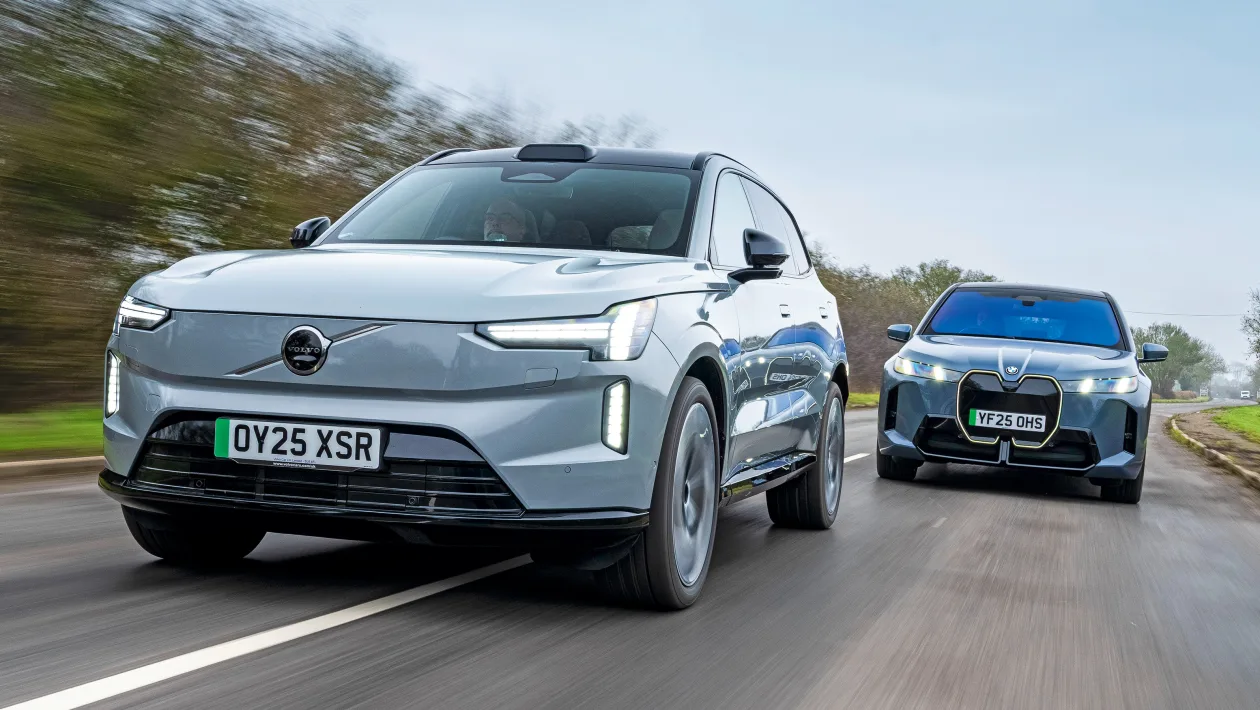
Design Philosophy: Scandinavian Minimalism vs Bavarian Boldness
The two SUVs approach premium design from distinctly different angles. Volvo's EX90 embraces the brand's renowned Scandinavian minimalism, featuring clean lines, sustainable materials and an understated elegance that has become synonymous with the Swedish manufacturer. The interior focuses on creating a calm, spacious environment with carefully selected materials and intuitive controls.
Conversely, the BMW iX makes a more dramatic statement with its bold exterior styling and avant-garde interior design. The BMW features the brand's characteristic driving-focused cockpit while incorporating luxurious materials and innovative technology displays. Both vehicles offer the commanding driving position and spacious interiors expected of premium SUVs, but achieve these qualities through different design languages.
Performance and Driving Dynamics
As electric vehicles from premium German and Swedish manufacturers, both the iX and EX90 deliver impressive performance credentials. The BMW iX has already established itself as a capable performer with multiple powertrain options offering varying levels of power and range to suit different requirements. The driving experience typically prioritises the dynamic handling characteristics for which BMW is renowned.
The Volvo EX90 enters the market with strong performance figures and the brand's signature focus on safety and comfort. Volvo's electric powertrain delivers instant torque and smooth acceleration while maintaining the composed ride quality that has long been associated with the Swedish marque. Both vehicles offer all-wheel drive capabilities and sophisticated suspension systems designed to handle UK road conditions with confidence.
Technology and Innovation
Technology represents a key battleground for these premium electric SUVs. The BMW iX features the brand's latest iDrive system with curved display, advanced driver assistance systems and comprehensive connectivity options. The interior incorporates sustainable materials and innovative features that showcase BMW's technological ambitions.
Volvo's EX90 counters with its own impressive technology suite, including advanced safety systems that build upon the brand's reputation for protection. The Swedish SUV incorporates sophisticated sensor arrays and computing power to enable increasingly autonomous driving capabilities while maintaining Volvo's core values of safety and practicality.
The UK Market Perspective
For British buyers considering these premium electric SUVs, both vehicles offer compelling arguments. The BMW iX benefits from the brand's established dealer network and existing reputation in the luxury segment. Meanwhile, the Volvo EX90 represents the next chapter in the Swedish brand's electric transformation, building upon Volvo's strong reputation for safety and practical family vehicles.
With similar price points around £100,000, the choice between these two premium electric SUVs ultimately comes down to personal preference regarding design philosophy, driving dynamics and brand alignment. Both represent excellent examples of how traditional premium manufacturers are transitioning to electric mobility while maintaining their distinctive characteristics and values.