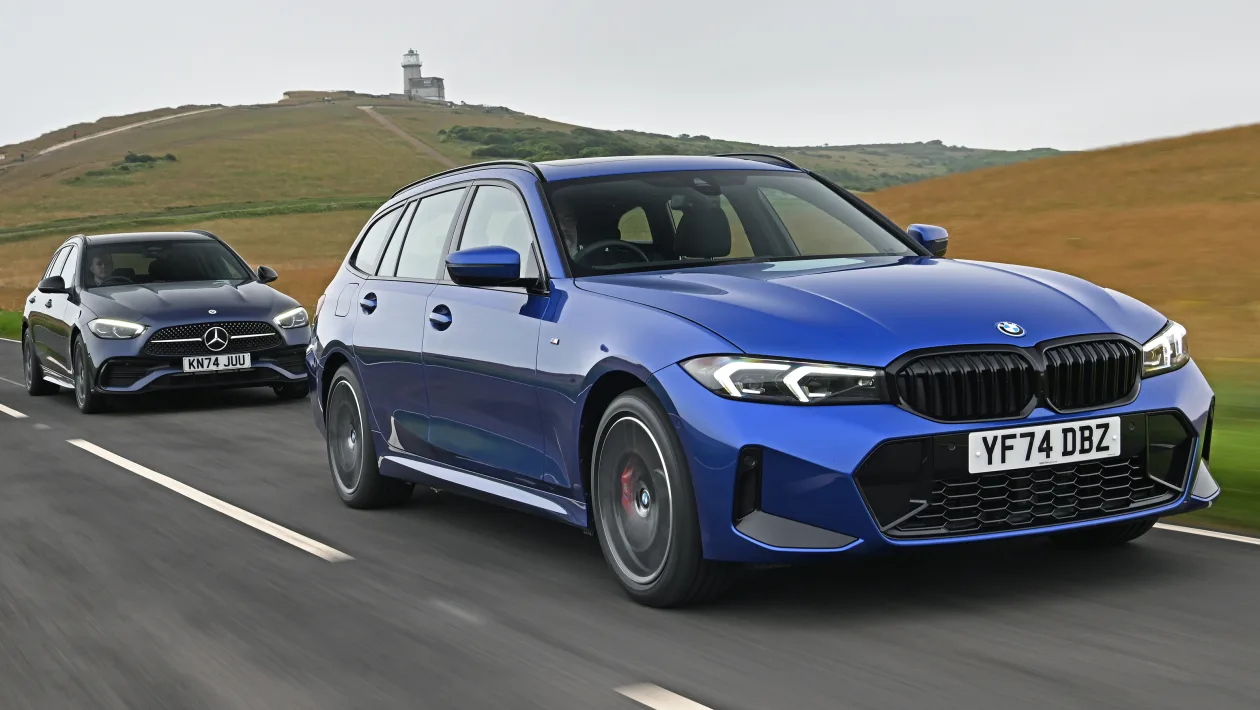
BMW 330e vs Mercedes C 300 e: Which is the Ultimate Hybrid Estate Car?
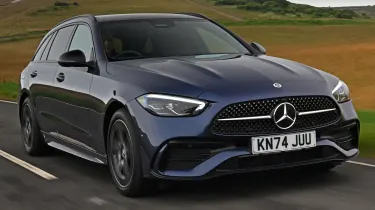
BMW 330e Touring vs Mercedes C 300 e Estate: a head-to-head comparison of the UK's top premium plug-in hybrid load-luggers for families and executives.
For the British driver seeking a blend of premium badge appeal, spacious practicality, and the efficiency of electrification, the estate car remains a compelling choice. Two of the most prominent contenders in this niche are the BMW 3 Series Touring and the Mercedes-Benz C-Class Estate, particularly in their plug-in hybrid guises: the BMW 330e and the Mercedes C 300 e. But with both offering impressive official fuel economy and zero-emission capable driving, is one definitively loads better than the other? This comparison delves into the clash between these two German titans.
The Core Proposition: Efficient, Practical Premium Motoring
Both the BMW 330e Touring and Mercedes C 300 e Estate represent a smart proposition for UK company car drivers and private buyers alike. Their plug-in hybrid systems offer substantial BiK (Benefit-in-Kind) tax advantages thanks to low CO2 emissions, alongside the potential for significant fuel savings on shorter commutes when charged regularly. Crucially, neither model sacrifices the fundamental estate car attribute: boot space. While the incorporation of a hybrid battery pack can sometimes compromise luggage capacity, both manufacturers have engineered their vehicles to retain a highly usable load area, making them genuine family workhorses.
BMW 330e Touring: The Sporting Choice
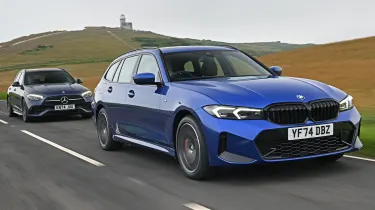
The BMW 330e builds on the 3 Series’ renowned reputation for dynamic driving. Its powertrain combines a 2.0-litre turbocharged petrol engine with an electric motor for a healthy combined output. This results in brisk acceleration that feels genuinely sporty, a characteristic further enhanced by the typically sharp and communicative chassis of the 3 Series. For the driver who values engagement behind the wheel, the BMW makes a strong case. The cabin is driver-focused, with impeccable build quality and intuitive tech, led by BMW's excellent iDrive system.
Performance and Driving Dynamics
The BMW’s setup is tuned for responsiveness. The electric motor provides instant torque off the line, seamlessly complemented by the petrol engine for overtaking and motorway cruising. The balance between electric-only serenity and combined powertrain performance is well-judged, offering a versatile driving experience that can be both relaxing and exhilarating.
Mercedes C 300 e Estate: The Luxury Contender
The Mercedes C 300 e Estate leans more heavily into its luxury credentials. The latest C-Class interior is a significant step forward, often compared to that of the larger S-Class with its striking portrait-oriented central screen and extensive use of high-quality materials. The focus here is on comfort and refinement. The ride quality is typically plush, isolating occupants from Britain's often challenging road surfaces, making it a superb long-distance cruiser.
Interior and Comfort
Stepping inside the C 300 e reveals a cabin prioritising ambience and technology. The advanced MBUX infotainment system is comprehensive, if occasionally more complex than BMW's iDrive. Passenger space is generous, and the overall feeling is one of being in a more overtly luxurious environment compared to the sportier, business-like BMW.
Head-to-Head: Key Considerations
Choosing between these two premium hybrids often comes down to personal priorities. The BMW 330e Touring is the sharper tool for driving enthusiasts who relish a twisty B-road. Its chassis delivers more feedback and a greater sense of agility. Conversely, the Mercedes C 300 e Estate is the superior choice for those who value supreme comfort, a state-of-the-art interior, and a more relaxed driving experience. It’s the perfect executive express for swallowing motorway miles in quiet comfort.
Practicality and Boot Space
A critical factor for any estate car is outright practicality. It's essential to compare the specific boot capacities of both models, considering how the battery placement affects the load area. While both offer strong practicality, the specifics of their layout, including loading lip height and rear seat folding mechanisms, could sway a decision for a buyer with particular needs.
Which Hybrid Estate is Right for You?
Ultimately, the question of whether one is 'loads better' than the other has no single answer. It depends entirely on what you value most in a car. If driver engagement and sporting dynamics are your priority, the BMW 330e Touring is likely to be the more satisfying partner. However, if you spend more time admiring the interior and prioritising comfort over cornering prowess, the Mercedes C 300 e Estate’s luxurious cabin and serene ride will be profoundly appealing.

Both are exceptionally competent vehicles that successfully blend the benefits of electric motoring with the practicality of an estate body style. The best choice is the one that aligns with your personal definition of the ultimate car. For a definitive verdict, we recommend a thorough test drive of both to see which premium hybrid estate truly wins you over.