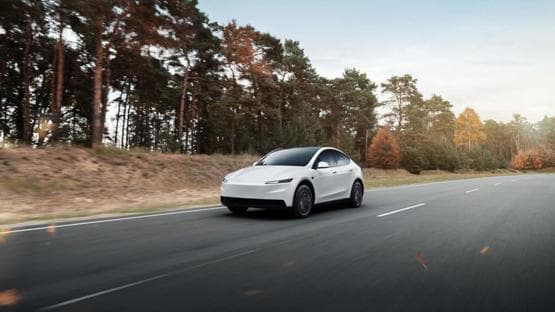
Are Teslas More Likely to Fail an MOT? EVs Dominate List of Worst First-Time Pass Rates
Tesla Model 3 and Model Y are among the cars 'most likely' to fail their first MOT, with EVs making up half of the list. Find out why.
Teslas Included in Top 20 ‘Most Likely’ to Fail Their First MOT
New data has revealed a surprising trend for owners of modern electric vehicles, particularly those from premium brand Tesla. The Tesla Model 3 and Model Y have both been identified among the top twenty cars 'most likely' to fail their first MOT test in the UK. This finding is part of a broader pattern that sees electric vehicles accounting for a significant proportion of the models with the lowest first-time pass rates.
A Closer Look at the Figures
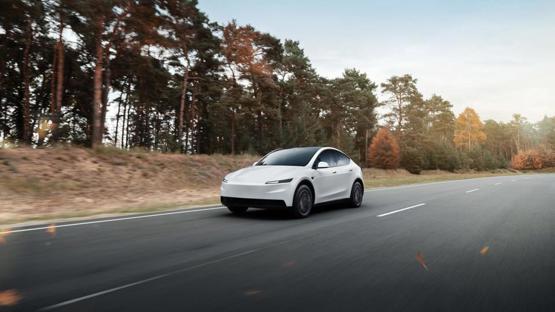
The statistics show that the failure rate for the Tesla Model 3 and Model Y is notable, with both models failing at a rate close to 15%. This means that approximately one in seven of these relatively new vehicles did not pass their first MOT examination. The first MOT test for a car is typically conducted when the vehicle is three years old, providing an early indicator of potential reliability and maintenance issues as the car ages beyond its initial warranty period.
What makes these figures particularly striking is the context. Electric vehicles, as a group, constitute half of the cars featured on this list of the worst first-time MOT pass rates. This suggests that the issue may not be isolated to a single manufacturer but could be indicative of broader trends affecting newer EV technology and build quality as these models reach their first major regulatory checkpoint.
What Does This Mean for EV Owners and Potential Buyers?
For current owners of models like the Tesla Model 3 and Model Y, this data serves as a useful prompt to ensure their vehicle is properly maintained as it approaches the three-year mark. A first MOT failure can often be attributed to simple issues like worn tyres or faulty lights, which are easy to rectify but highlight the importance of pre-test checks.
For potential buyers considering a used EV that is approaching its first MOT, this information is valuable for making an informed decision. It underscores the necessity of conducting thorough pre-purchase inspections and budgeting for potential repairs shortly after acquisition. While a 15% failure rate indicates that the vast majority of these cars do pass, it is a higher figure than might be expected for such modern vehicles.
This analysis provides a data-driven insight into the real-world performance of popular electric cars as they mature. It reinforces the principle that all vehicles, regardless of their advanced technology or premium branding, require consistent upkeep to meet safety and environmental standards.